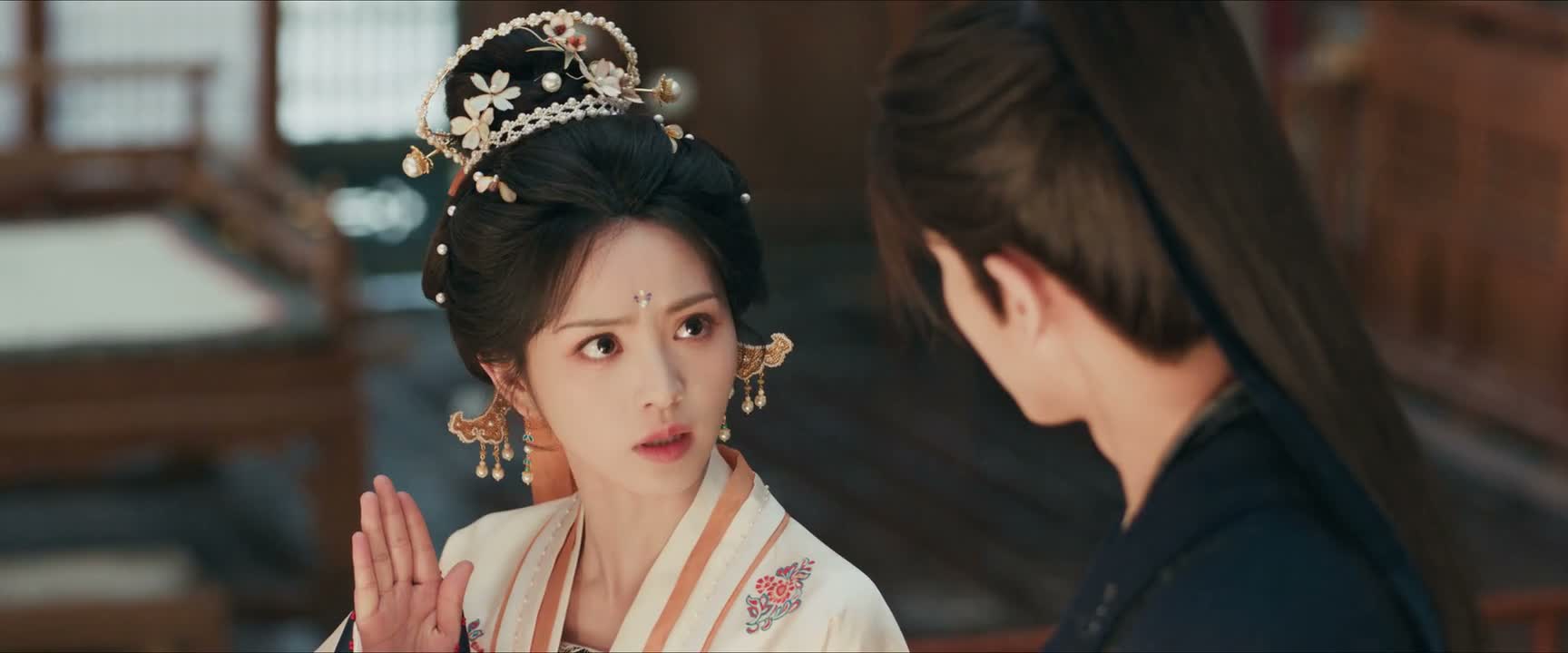
《Love Story in the 1970s》 S1·E6 (24:42)
HSK 3
wǒ gē cái néng fǎn chéng jié hūn
我哥才能返城结婚
“can my brother come back and get married.”
《Love Story in the 1970s》
S1·E6
TIMECODE: 24:42
·
1080P MASTER AUDIO
THE DIALOGUE REEL
[-1] PREVIOUS TURN
zhǐ yǒu wǒ jié le hūn bān chū qù
“Only if I get married and move out”
wǒ gē cái néng fǎn chéng jié hūn
CURRENT FOCUS
我哥才能 返城结婚
“can my brother come back and get married.”
Subtitles synced to millisecond timecode
Browse Show Clips →
Scene:
Family & Home
Function:
EXPLAINING MOTIVATION
Tone:
RESIGNED
Emotion:
GUILT
WHAT THEY REALLY MEAN (PRAGMATIC SUBTEXT)
Direct spoken expression in this communicative setting.
💡 Cultural Insight: Zhiqing Return and Urban Housing Scarcity
In 1970s-80s China, sent-down youths needed urban registration and household living space to return and marry, forcing siblings to make domestic sacrifices.
INTENT TAGS:
#justification
#obligation
#filial_sacrifice
#family_duty
🧩
2 CHUNKS · 0 PARTICLES
LEARNING CHUNKS & PARTICLES
返城
SPOKEN CHUNK
return to the city (historically used for rusticated youths)
Use when discussing historical Chinese urban resettlement of sent-down youth (zhiqing).
才能
SPOKEN CHUNK
only then can...
A vital connective structure used after '只有...' to state an indispensable condition.
🏮
1 EXPR · 0 GRAMMAR
VOCABULARY & EXPRESSIONS
COLLOQUIAL EXPRESSIONS:
CROSS-CINEMA CORPUS BOARD · PARALLEL SCENES
EXPLORE BY SEMANTIC SIMILARITY
Parallel Spoken Cinema Scenes (语义近邻切片)
《Love Story in the 1970s》 S1·E6 (24:42) · Authentic Cinema Dialogue Corpus