《Love Story in the 1970s》 S1·E6 (24:48)
HSK 5
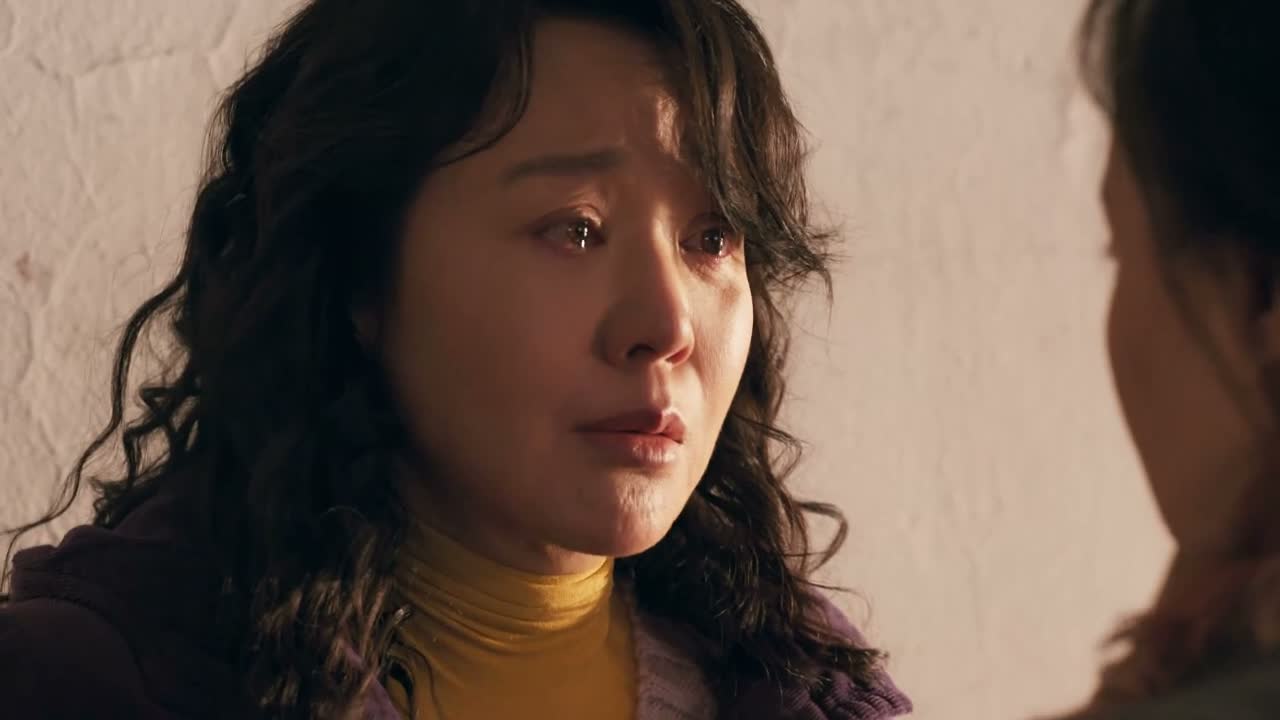
wǒ qiàn wǒ gē de tài duō le
我欠我哥的太多了
“I owe him too much.”
《Love Story in the 1970s》
S1·E6
TIMECODE: 24:48
·
1080P MASTER AUDIO
THE DIALOGUE REEL
[-1] PREVIOUS TURN
wǒ gē cái néng fǎn chéng jié hūn
“can my brother come back and get married.”
wǒ qiàn wǒ gē de tài duō le
CURRENT FOCUS
我 欠我 哥的 太多了
“I owe him too much.”
[+1] FOLLOW-UP TURN
nǐ wèi shén me lái
你为什么来
“Why did you come?”
Subtitles synced to millisecond timecode
Browse Show Clips →
Scene:
Family & Home
Function:
EXPRESSING GUILT
Tone:
SOLEMN
Emotion:
GUILT
WHAT THEY REALLY MEAN (PRAGMATIC SUBTEXT)
“I have to do this; I am morally bound by everything he gave up for me.”
💡 Cultural Insight: Sibling Sacrifice and Family Debt
In 20th-century urban Chinese history, older siblings frequently sacrificed career and marriage prospects so younger siblings could advance, creating lifelong emotional debt.
INTENT TAGS:
#moral_debt
#guilt
#filial_obligation
#self_justification
🧩
1 CHUNKS · 1 PARTICLES
LEARNING CHUNKS & PARTICLES
欠...太多
SPOKEN CHUNK
to owe someone far too much
Used not just for financial debt, but heavily for deep emotional and moral debts of gratitude.
Modal Particle「了」 (le)
CHANGE OF STATE
Functions as a change-of-state and intensifying particle expressing excessive degree when combined with 太.
🏮
2 EXPR · 1 GRAMMAR
VOCABULARY & EXPRESSIONS
COLLOQUIAL EXPRESSIONS:
GRAMMAR BLUEPRINTS:
CROSS-CINEMA CORPUS BOARD · PARALLEL SCENES
EXPLORE BY SEMANTIC SIMILARITY
Parallel Spoken Cinema Scenes (语义近邻切片)
《Love Story in the 1970s》 S1·E6 (24:48) · Authentic Cinema Dialogue Corpus