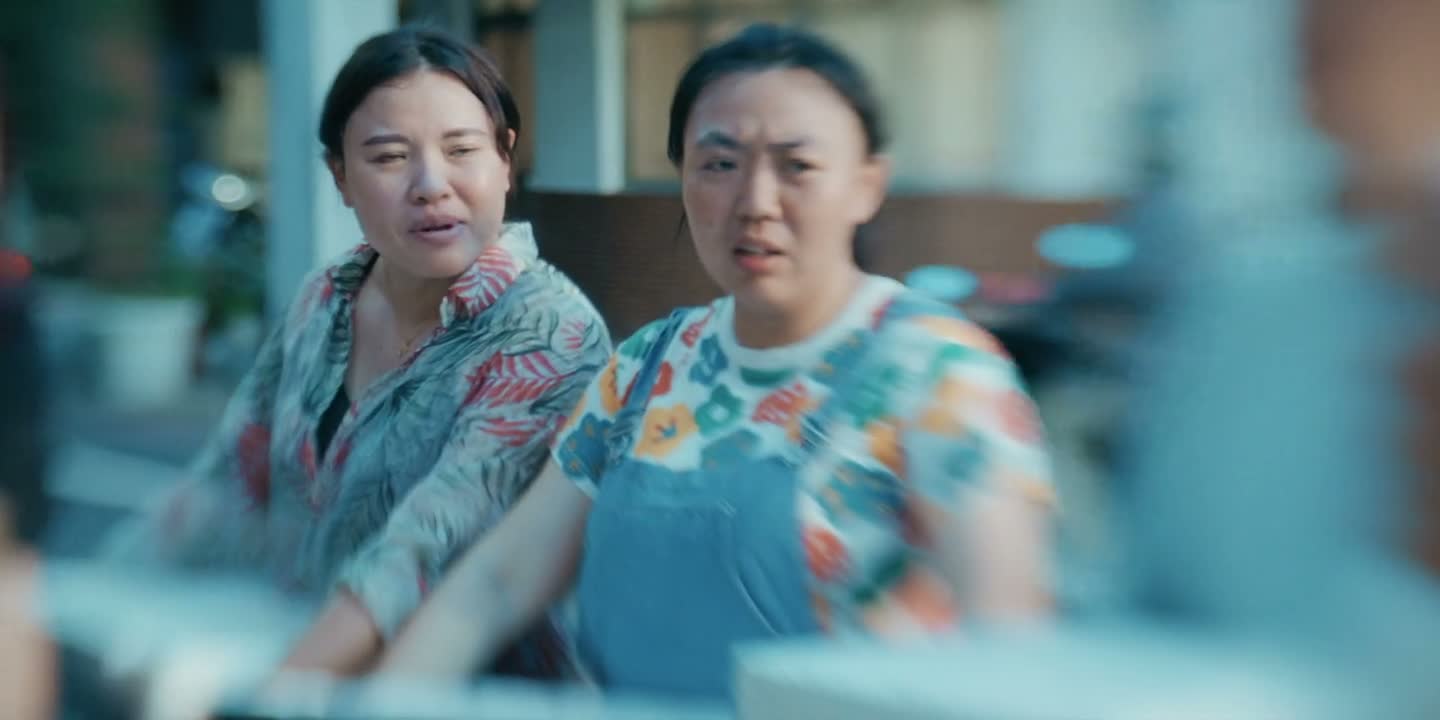
《The Glamorous Night》 S1·E12 (24:25)
HSK 7
shuō chū lái nǐ bú yào xiào huà wǒ yòu zhì a
说出来你不要笑话我幼稚啊
“Don't laugh at me for being childish.”
《The Glamorous Night》
S1·E12
TIMECODE: 24:25
·
1080P MASTER AUDIO
THE DIALOGUE REEL
[-1] PREVIOUS TURN
wǒ xiǎng ràng nǐ děng wǒ
我想让你等我
“I want you to wait for me.”
shuō chū lái nǐ bú yào xiào huà wǒ yòu zhì a
CURRENT FOCUS
说出来 你不要 笑话我幼稚 啊
“Don't laugh at me for being childish.”
[+1] FOLLOW-UP TURN
kě néng shì yīn wèi wǒ jié hūn tài zǎo tán de liàn ài yòu shǎo
“Maybe I got married too early. I had few dating experiences.”
Subtitles synced to millisecond timecode
Browse Show Clips →
Scene:
Social & Dating
Function:
SELF DEPRECATION
Tone:
TIMID
Emotion:
VULNERABILITY
WHAT THEY REALLY MEAN (PRAGMATIC SUBTEXT)
“Please don't judge me or ridicule my feelings; this is really hard for me to admit.”
💡 Cultural Insight: Emotional Face-protection
Pre-emptively labeling oneself as 'naive' (幼稚) functions as a psychological cushion against potential rejection or embarrassment when confessing deep emotions.
INTENT TAGS:
#self_deprecation
#vulnerability
#pleading
#seeking_acceptance
🧩
2 CHUNKS · 1 PARTICLES
LEARNING CHUNKS & PARTICLES
说出来
SPOKEN CHUNK
say it out loud, speak of it
Often used when disclosing something difficult, confidential, or emotionally heavy.
笑话
SPOKEN CHUNK
to laugh at, to mock
Used transitively in spoken Chinese to mean ridicule someone's silliness or mistakes.
Modal Particle「啊」 (a)
CHANGE OF STATE
Adds an endearing, pleading, and intimate cadence to the request.
🏮
3 EXPR · 0 GRAMMAR
VOCABULARY & EXPRESSIONS
COLLOQUIAL EXPRESSIONS:
CROSS-CINEMA CORPUS BOARD · PARALLEL SCENES
EXPLORE BY SEMANTIC SIMILARITY
Parallel Spoken Cinema Scenes (语义近邻切片)
《The Glamorous Night》 S1·E12 (24:25) · Authentic Cinema Dialogue Corpus