弄虚作假
“and falsifying reports!”
THE DIALOGUE REEL
这叫擅自离岗
“That's unauthorized absence”
弄虚作假
“and falsifying reports!”
你们胆子也太大了
“You're brazen!”
Direct spoken expression in this communicative setting.
Using codified four-character idioms like '弄虚作假' elevates a practical infraction into an institutional and moral crime in Chinese workplace governance.
LEARNING CHUNKS & PARTICLES
to practice deceit; to resort to fraud
A formal four-character idiom (chengyu) frequently cited in bureaucratic or legal contexts when exposing dishonesty.
leaving one's post without permission
Standard administrative terminology for unauthorized workplace absence.
VOCABULARY & EXPRESSIONS
Parallel Spoken Cinema Scenes (语义近邻切片)
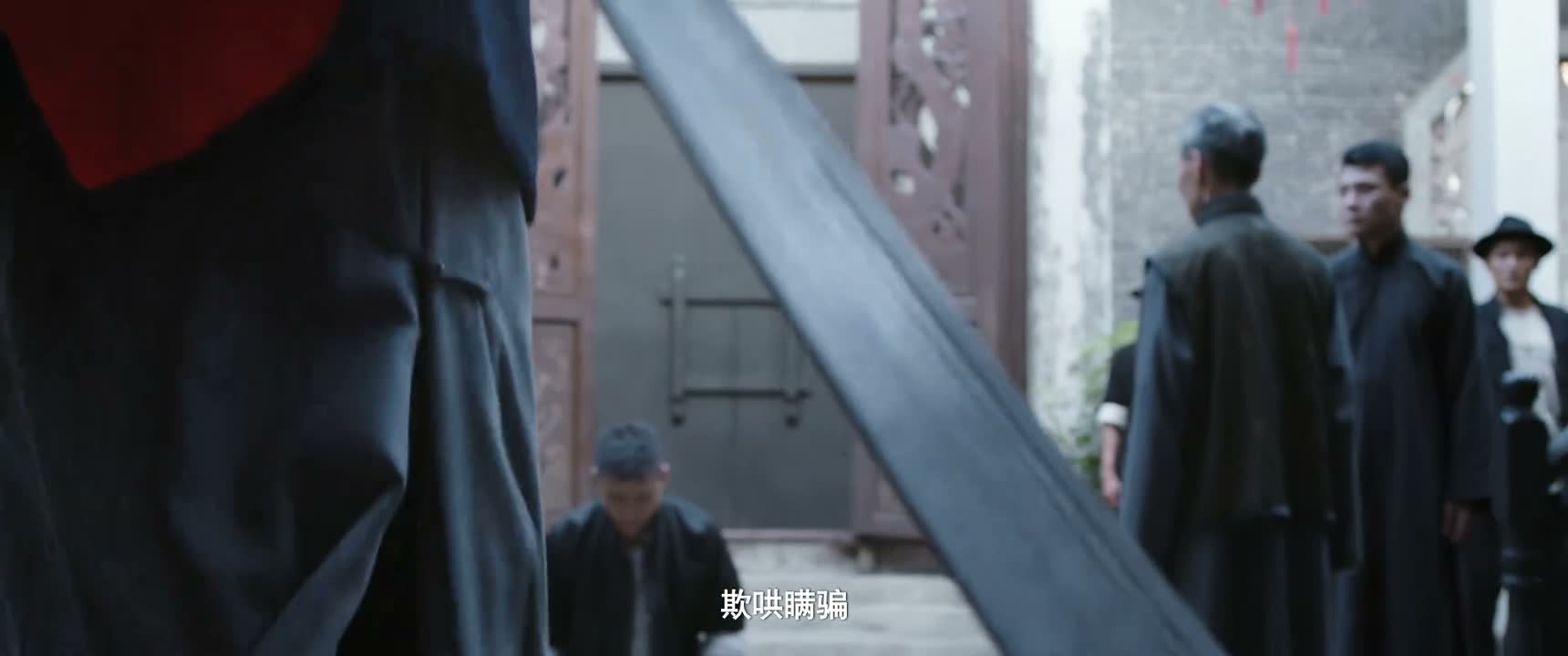
“To deceive and lie.”

“Hypocritical scholar.”

“these hypocrites and frauds.”

“just to protect your position.”

“with false advertising”

“to get away”

“and fabricated false information. These malicious actions”

“My impersonation”