你别介意啊 没有 没有
“Don't take it personally. No, no.”
THE DIALOGUE REEL
我来跟你要这个号码 就说明我光明磊落
“I came to ask you for her number, which means I'm upright.”
你别介意 啊 没有 没有
“Don't take it personally. No, no.”
孟德是谁呀
“Who is Meng De?”
Direct spoken expression in this communicative setting.
Doubling down with '没有 没有' immediately after being told 'don't mind' maintains social harmony and demonstrates humility.
LEARNING CHUNKS & PARTICLES
don't take offense / don't mind it
A polite, standard conversational phrase used to minimize awkwardness after asking a sensitive favor.
not at all / no way
Repeated twice ('没有 没有') as a standard formulaic denial of offense or compliment in polite Chinese banter.
Softens the imperative 'don't take offense' to sound friendly and casual.
VOCABULARY & EXPRESSIONS
Parallel Spoken Cinema Scenes (语义近邻切片)

“You... -I'm sorry. -It's OK.”

“that you didn't pay much attention to such a small matter. Besides,”
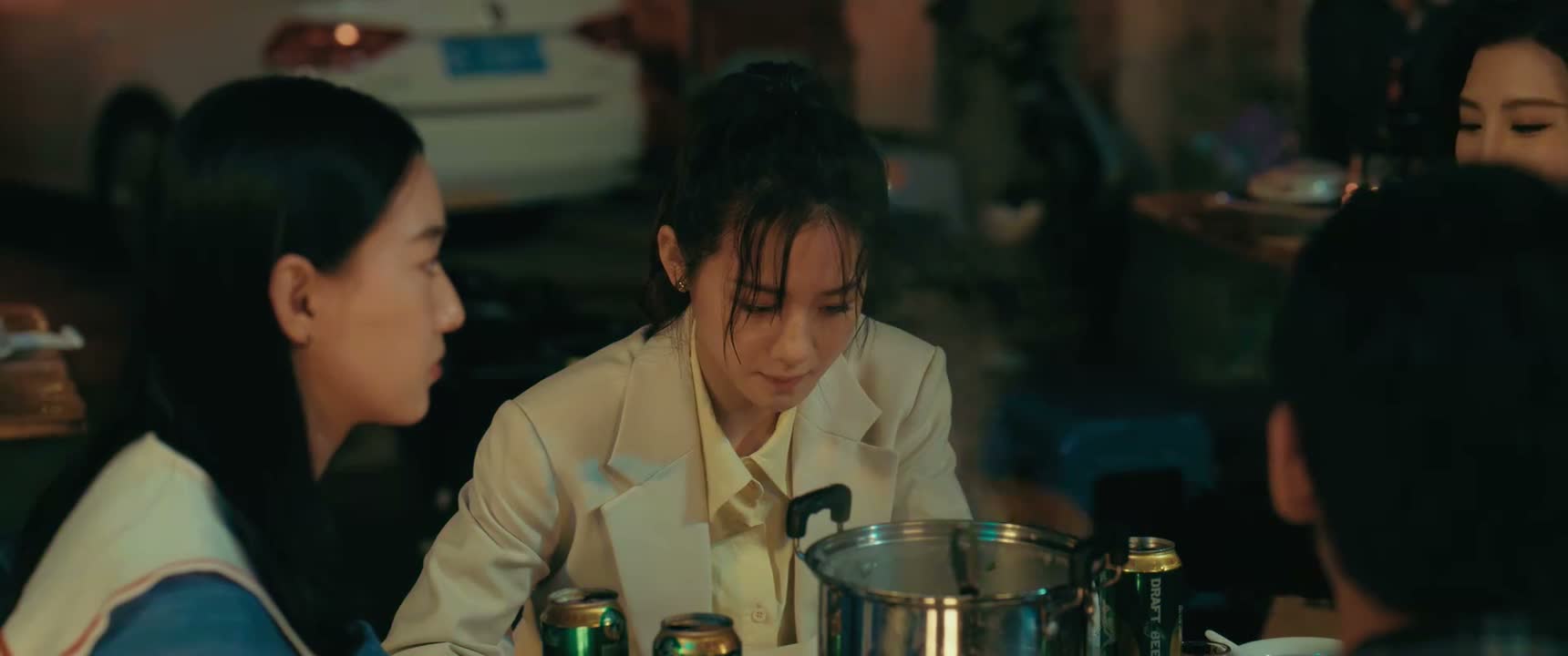
“No offense intended. You work hard. It's okay.”
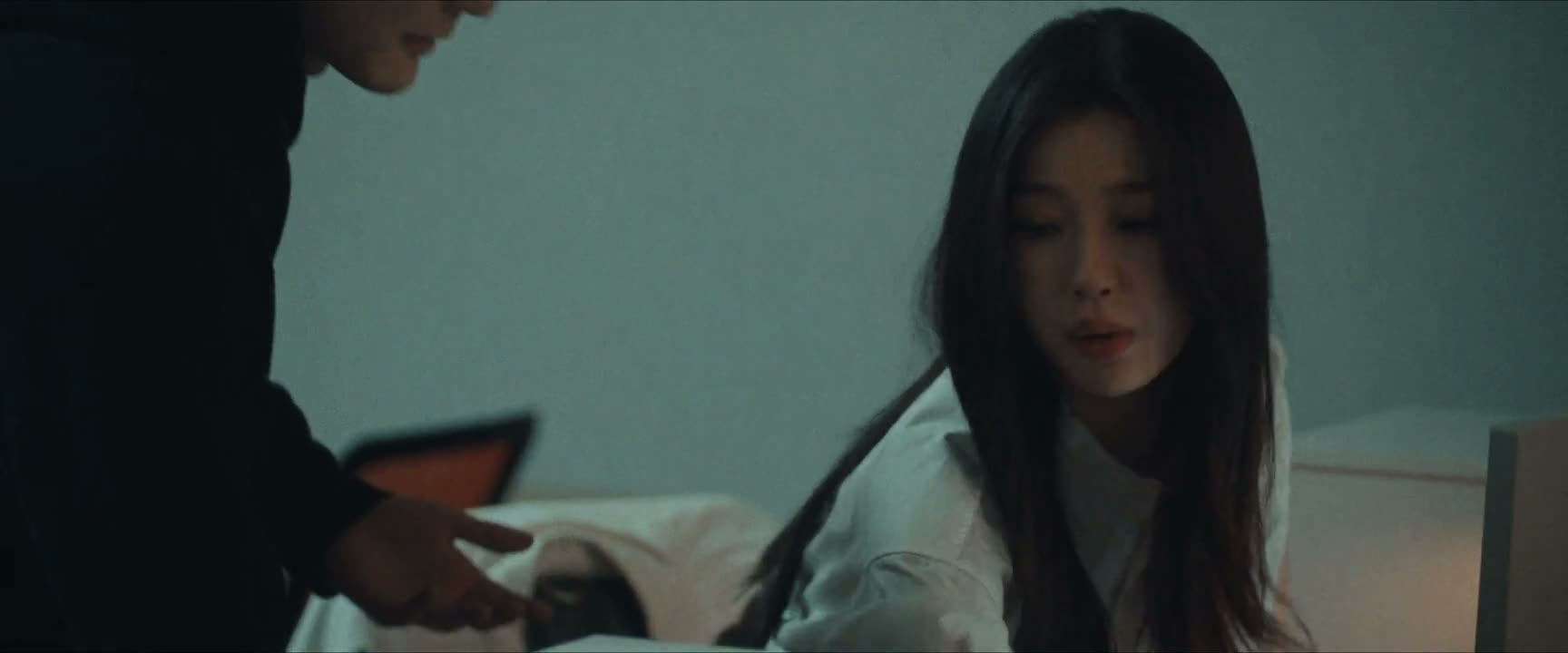
“Sorry. It's fine. No worries.”

“Don't take offense. Yuehai is a city now.”