卖鱼的鱼贩 就会把那些死伤的鱼留着自己吃
“Fish vendors usually keep the dead and injured fish for themselves,”
THE DIALOGUE REEL
“Fish are fragile goods. Some are inevitably damaged during transport.”
卖鱼 的鱼贩 就会把那些死伤的鱼 留着自己吃
“Fish vendors usually keep the dead and injured fish for themselves,”
或者贱卖给小饭铺
“or sell them cheaply to small diners.”
Direct spoken expression in this communicative setting.
Merchants in traditional markets historically minimized economic losses by consuming or discounting damaged goods rather than discarding them.
LEARNING CHUNKS & PARTICLES
dead and injured/damaged
Commonly applied to casualties, but here figuratively applied to perishable live goods.
keep for oneself to eat
Colloquial phrase expressing that someone saves surplus or unsellable food items for personal consumption.
VOCABULARY & EXPRESSIONS
Parallel Spoken Cinema Scenes (语义近邻切片)

“in the Old Factory Street. There wouldn't be such a house like this.”
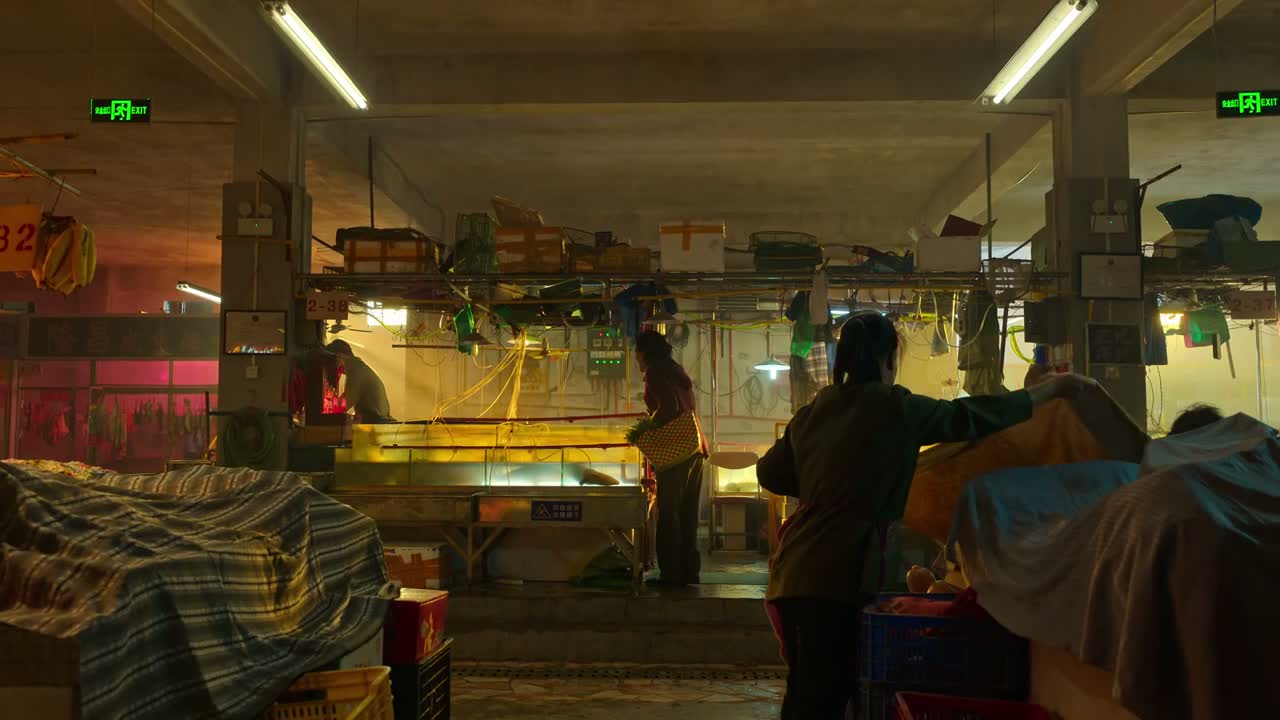
“Excuse me, how much is the fish?”
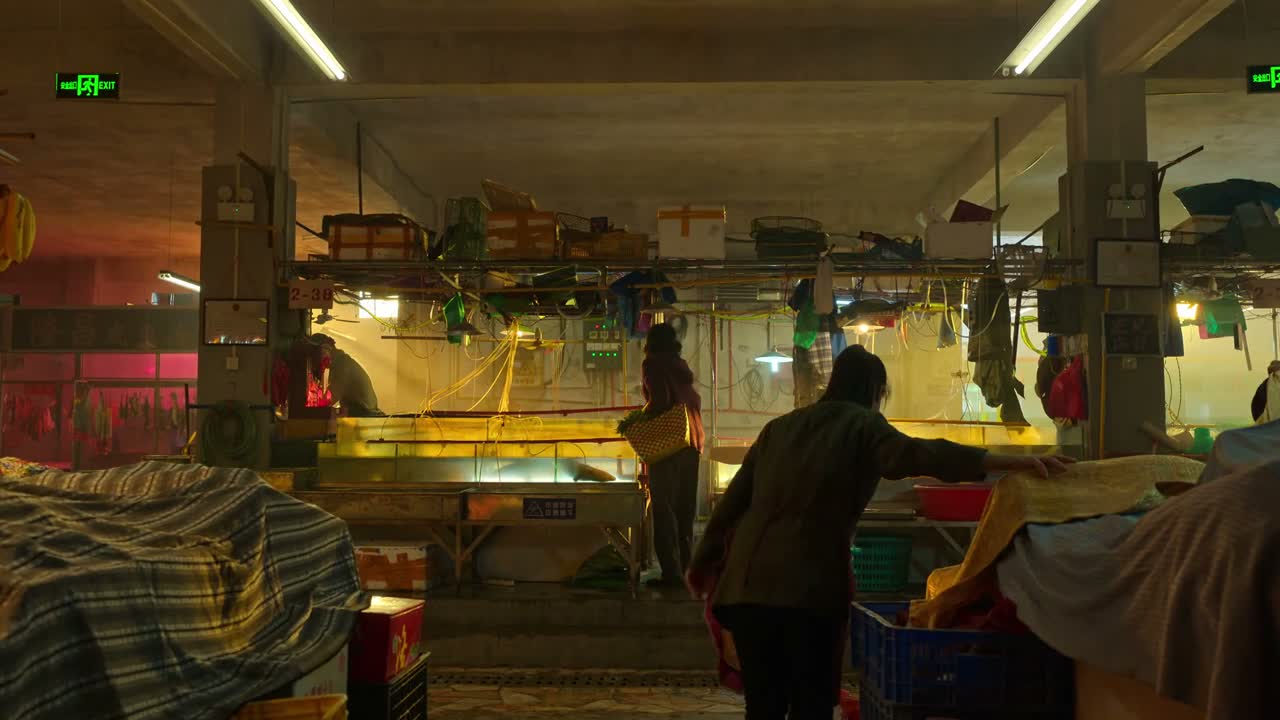
“Excuse me, how much is the fish?”

“He won't have a promising future if he sells fish with me. Recently, I've been considering”

“But you're just a fishmonger's son”

“I just want to ask how many fishmongers are there in the market?”