MC
MandarinClips Cinema Corpus
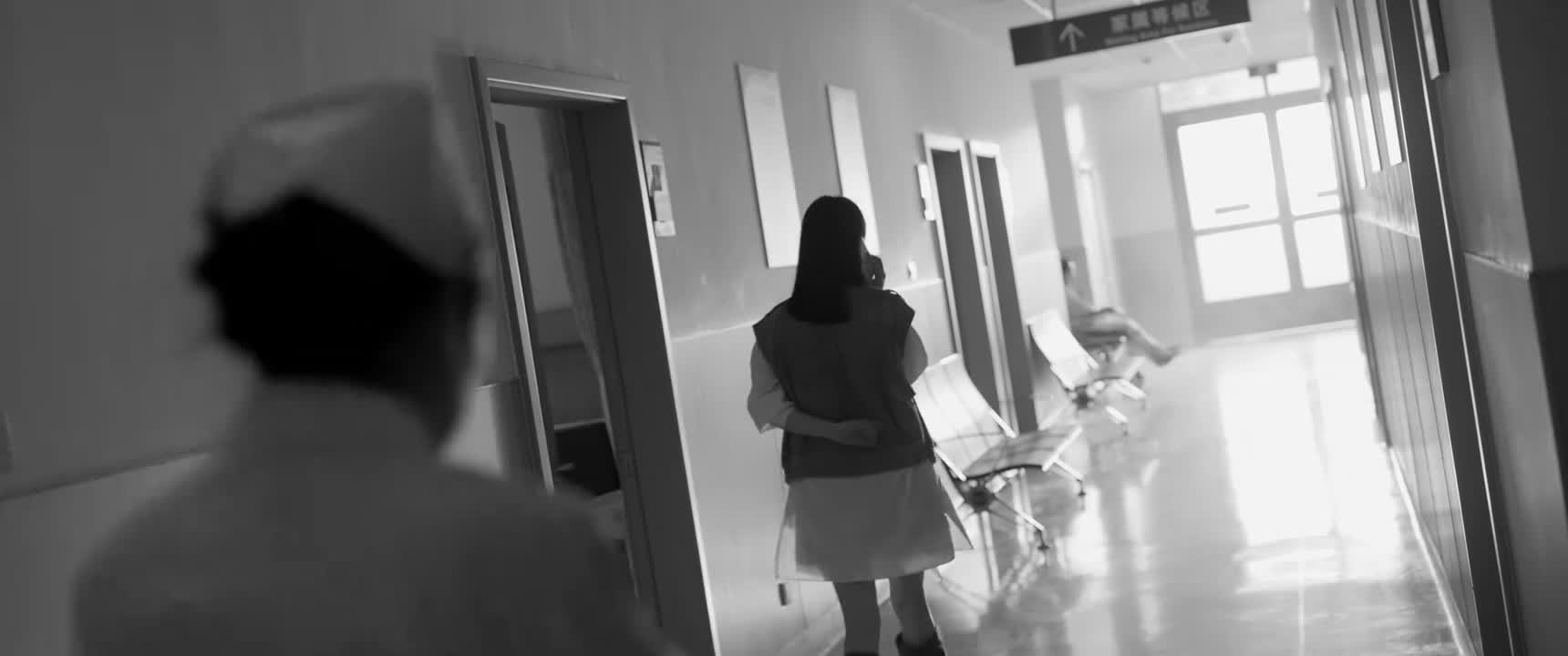
《The Lead》 S1·E25 (11:29) HSK 6
guāng zǎ huí shì ma tài àn le ma

光咋回事嘛 太暗了嘛

“What's wrong with the lighting? It's too dark!”

《The Lead》 S1·E25
TIMECODE: 11:29 · 1080P MASTER AUDIO

THE DIALOGUE REEL

1+1+1 SPOKEN CONTINUITY
[-1] PREVIOUS TURN quán shì xiāng gǎng shí xīng de yàng zi tíng tíng tíng shùn zi shùn zi

全是香港时兴的样子 停 停 停 顺子 顺子

“in the latest Hong Kong (China) styles. Stop, stop! Shun! Shun!”

guāng zǎ huí shì ma tài àn le ma CURRENT FOCUS

光 咋回事嘛 太 暗 了 嘛

“What's wrong with the lighting? It's too dark!”

[+1] FOLLOW-UP TURN guāng

光

“The lighting?”

Subtitles synced to millisecond timecode Browse Show Clips →
Scene: Workplace
Function: CRITICIZING PERFORMANCE
Tone: CRITICAL
Emotion: FRUSTRATION
WHAT THEY REALLY MEAN (PRAGMATIC SUBTEXT)
“Fix this terrible lighting right now, do your job!”
💡 Cultural Insight: Direct Workplace Reprimand

In Chinese creative or stage crews, directors or troupe leaders frequently use colloquial, blunt rhetoric to push staff to resolve technical issues promptly.

INTENT TAGS: #complaint #critique #demanding_action #workplace_command
🧩

LEARNING CHUNKS & PARTICLES

2 CHUNKS · 2 PARTICLES
咋回事 SPOKEN CHUNK

what is going on; what happened

A common colloquial Northern/Northwestern equivalent of '怎么回事', often expressing confusion or mild annoyance.

太暗了 SPOKEN CHUNK

too dim; too dark

A standard descriptive phrase indicating an unsatisfactory level of illumination.

Modal Particle「嘛」 (ma) CHANGE OF STATE

Highlights an obvious fact and carries an impatient, reproachful tone.

Modal Particle「了」 (le) CHANGE OF STATE

Marks the current state of darkness as an undesirable result.
🏮

VOCABULARY & EXPRESSIONS

1 EXPR · 1 GRAMMAR
COLLOQUIAL EXPRESSIONS:
GRAMMAR BLUEPRINTS:
CROSS-CINEMA CORPUS BOARD · PARALLEL SCENES

Parallel Spoken Cinema Scenes (语义近邻切片)

EXPLORE BY SEMANTIC SIMILARITY
《The Lead》 S1·E25 (11:29) · Authentic Cinema Dialogue Corpus