咋回事 怎么了 怎么又不亮了 不亮了
“-What happened? -What's wrong? -Why is it out again? -It's out again.”
THE DIALOGUE REEL
咋回事
“What's happening?”
咋回事 怎么了 怎么又 不亮了 不亮了
“-What happened? -What's wrong? -Why is it out again? -It's out again.”
这都是紧的呀 这个
“These are all tight. Well...”
Direct spoken expression in this communicative setting.
In spoken Chinese, rapidly repeating questions ('咋回事 怎么了') and status statements ('不亮了') reflects immediate panic or confusion during an unexpected technical glitch.
LEARNING CHUNKS & PARTICLES
what's going on? / what happened?
A colloquial northern-influenced phrase equivalent to '怎么回事', very common in spoken Mandarin.
why isn't it lighting up again?
The word '又' emphasizes repeated recurrence of an unwelcome event.
Marks a sudden change of state from illuminated to unlit.
VOCABULARY & EXPRESSIONS
Parallel Spoken Cinema Scenes (语义近邻切片)

“What's going on? What happened? Why did the lights go out again?”
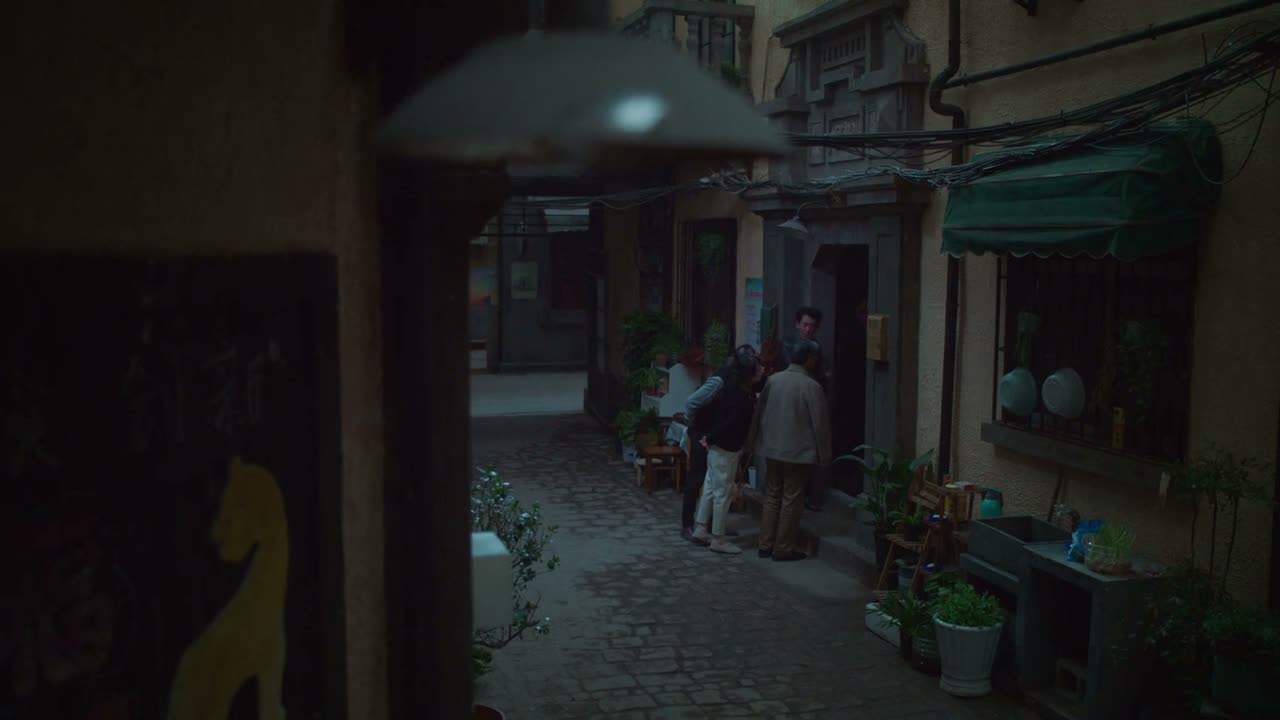
“Why isn't it working yet? What's going on?”
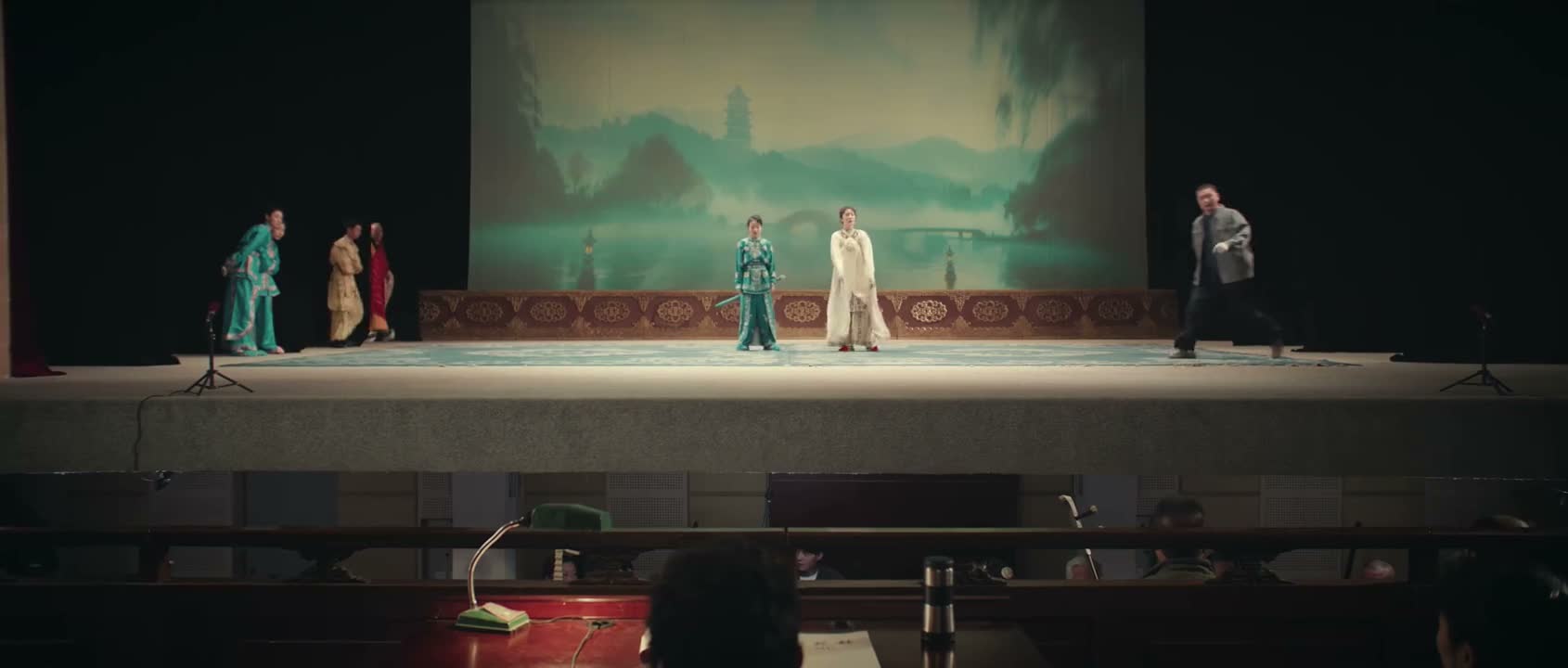
“What's wrong with the lighting? It's too dark!”