MC
MandarinClips Cinema Corpus
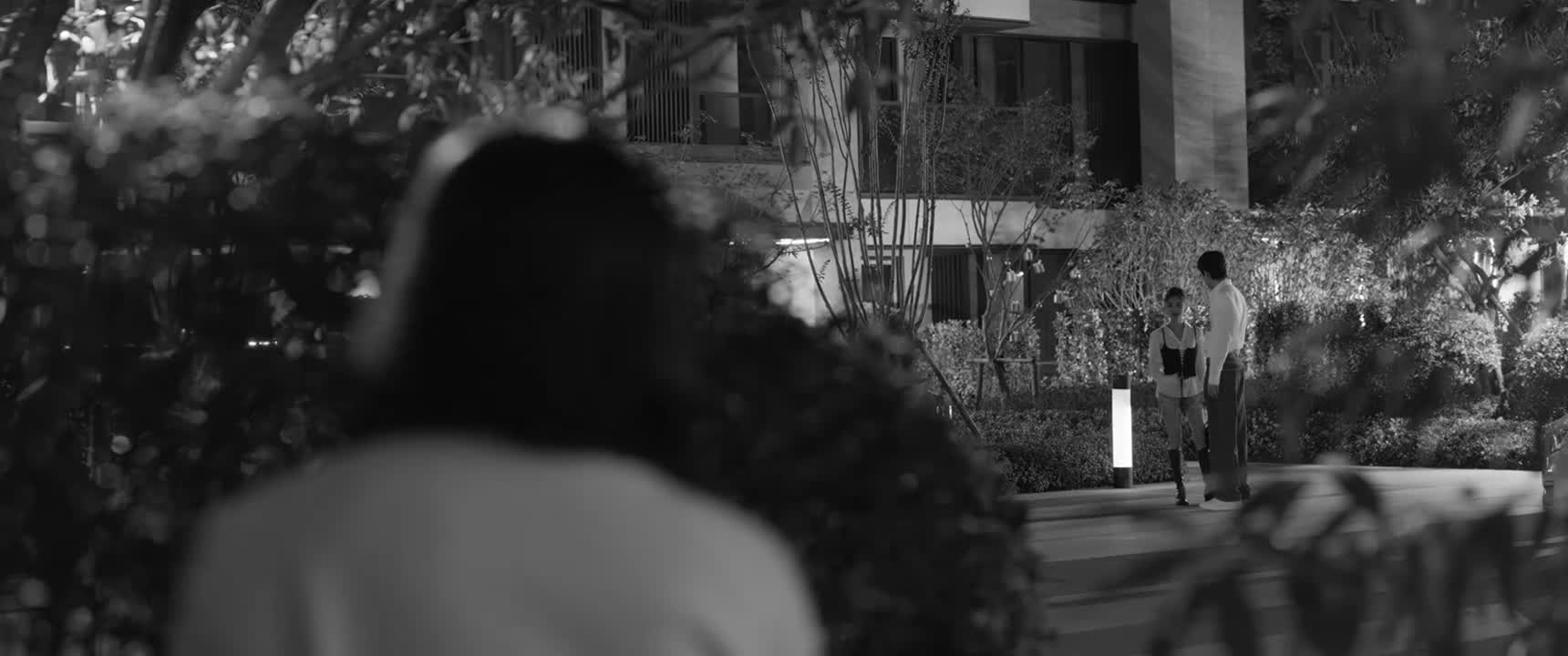
《Road to Success》 S1·E15 (19:45) HSK 2
kě néng shì zhè jǐ tiān tài lèi le yǒu diǎn lěng

可能是这几天太累了 有点冷

“Maybe I've just been too tired. I feel a bit cold.”

《Road to Success》 S1·E15
TIMECODE: 19:45 · 1080P MASTER AUDIO

THE DIALOGUE REEL

1+1+1 SPOKEN CONTINUITY
[-1] PREVIOUS TURN hái shì bù shū fú ma

还是不舒服吗

“Still not feeling well?”

kě néng shì zhè jǐ tiān tài lèi le yǒu diǎn lěng CURRENT FOCUS

可能是这几天 太累了 有点冷

“Maybe I've just been too tired. I feel a bit cold.”

[+1] FOLLOW-UP TURN hǎo xiàng shì yǒu diǎn fā shāo nà kuài huí jiā ba

“Looks like you have a slight fever. Let's head home.”

Subtitles synced to millisecond timecode Browse Show Clips →
Scene: Daily Life
Function: EXPLAINING CONDITION
Tone: FEEBLE
Emotion: FATIGUE
WHAT THEY REALLY MEAN (PRAGMATIC SUBTEXT)

Direct spoken expression in this communicative setting.

💡 Cultural Insight: Overwork and Bodily Balance

In Chinese popular health beliefs, physical exhaustion is often directly linked to a weakened immune system allowing 'cold' (han) to enter the body.

INTENT TAGS: #symptom_description #explanation #fatigue #downplaying
🧩

LEARNING CHUNKS & PARTICLES

2 CHUNKS · 1 PARTICLES
太累了 SPOKEN CHUNK

too tired / exhausted

A standard and natural phrase used when attributing poor physical condition or stress to exhaustion.

有点冷 SPOKEN CHUNK

a bit cold / feeling chills

Often used colloquially when describing the onset of a fever or cold.

Modal Particle「了」 (le) CHANGE OF STATE

Used after '太累' to complete the degree structure expressing excessiveness.
🏮

VOCABULARY & EXPRESSIONS

2 EXPR · 1 GRAMMAR
CROSS-CINEMA CORPUS BOARD · PARALLEL SCENES

Parallel Spoken Cinema Scenes (语义近邻切片)

EXPLORE BY SEMANTIC SIMILARITY
《Road to Success》 S1·E15 (19:45) · Authentic Cinema Dialogue Corpus