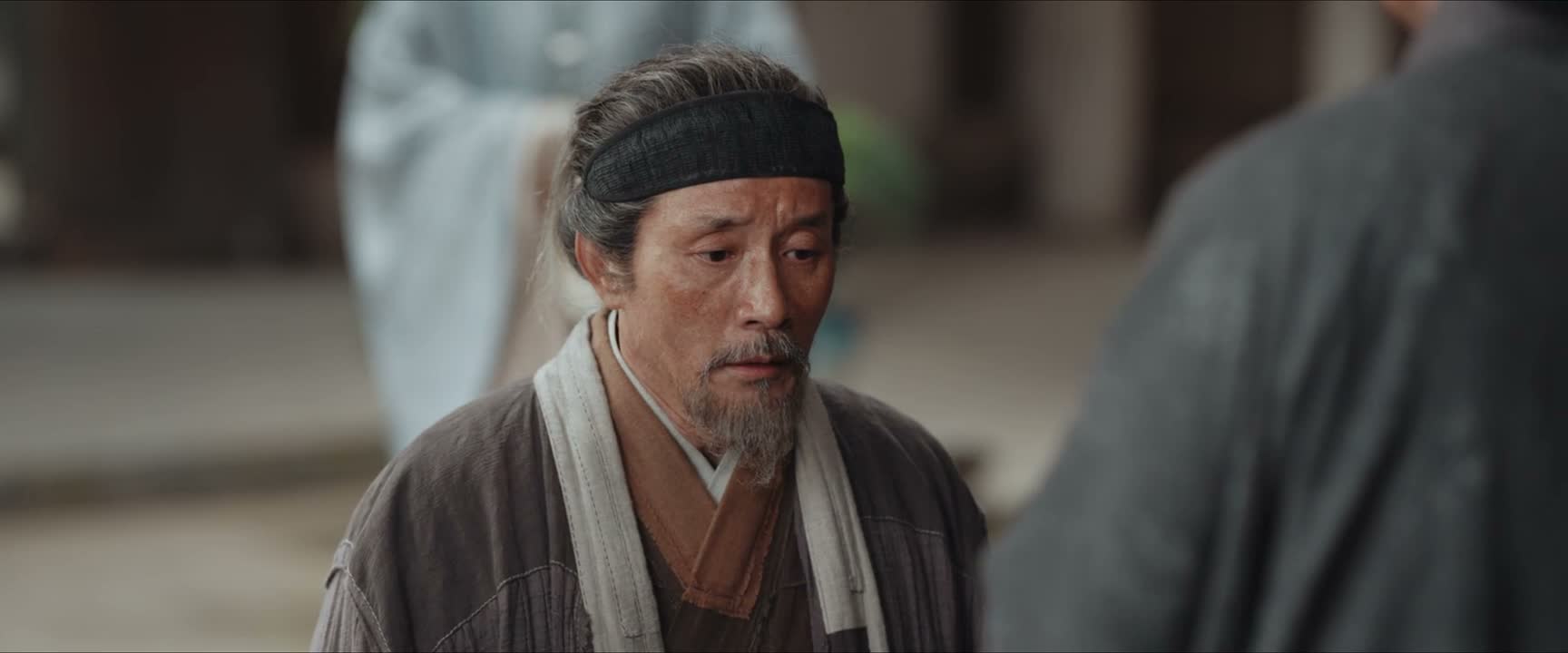
《The Heir》 S1·E41 (21:23)
HSK 7
rú hé duì de qǐ qī gē qī sǎo
如何对得起七哥七嫂
“how can I face Jingqi and Rujun?”
《The Heir》
S1·E41
TIMECODE: 21:23
·
1080P MASTER AUDIO
THE DIALOGUE REEL
[-1] PREVIOUS TURN
bú jiàn liù hé
不见六合
“If I don't see the birth of Liuhe Ink,”
rú hé duì de qǐ qī gē qī sǎo
CURRENT FOCUS
如何 对得起 七哥七嫂
“how can I face Jingqi and Rujun?”
[+1] FOLLOW-UP TURN
zhēn niáng
祯娘
“Zhen,”
Subtitles synced to millisecond timecode
Browse Show Clips →
Scene:
Historical & Court
Function:
EXPRESSING GUILT
Tone:
LAMENTING
Emotion:
GUILT
WHAT THEY REALLY MEAN (PRAGMATIC SUBTEXT)
“I cannot live with the shame and guilt of letting them down.”
💡 Cultural Insight: Moral Obligation (Dui De Qi)
In Chinese moral philosophy, being able to 'face' family members reflects whether one has upheld loyalty, righteousness, and mutual devotion.
INTENT TAGS:
#guilt
#moral_duty
#rhetorical_question
#lament
🧩
1 CHUNKS · 0 PARTICLES
LEARNING CHUNKS & PARTICLES
对得起
SPOKEN CHUNK
to be worthy of; to do justice to; to treat someone right
Frequently used in negative or rhetorical constructions like '如何对得起' to express acute moral duty or remorse.
🏮
2 EXPR · 0 GRAMMAR
VOCABULARY & EXPRESSIONS
COLLOQUIAL EXPRESSIONS:
CROSS-CINEMA CORPUS BOARD · PARALLEL SCENES
EXPLORE BY SEMANTIC SIMILARITY
Parallel Spoken Cinema Scenes (语义近邻切片)
《The Heir》 S1·E41 (21:23) · Authentic Cinema Dialogue Corpus