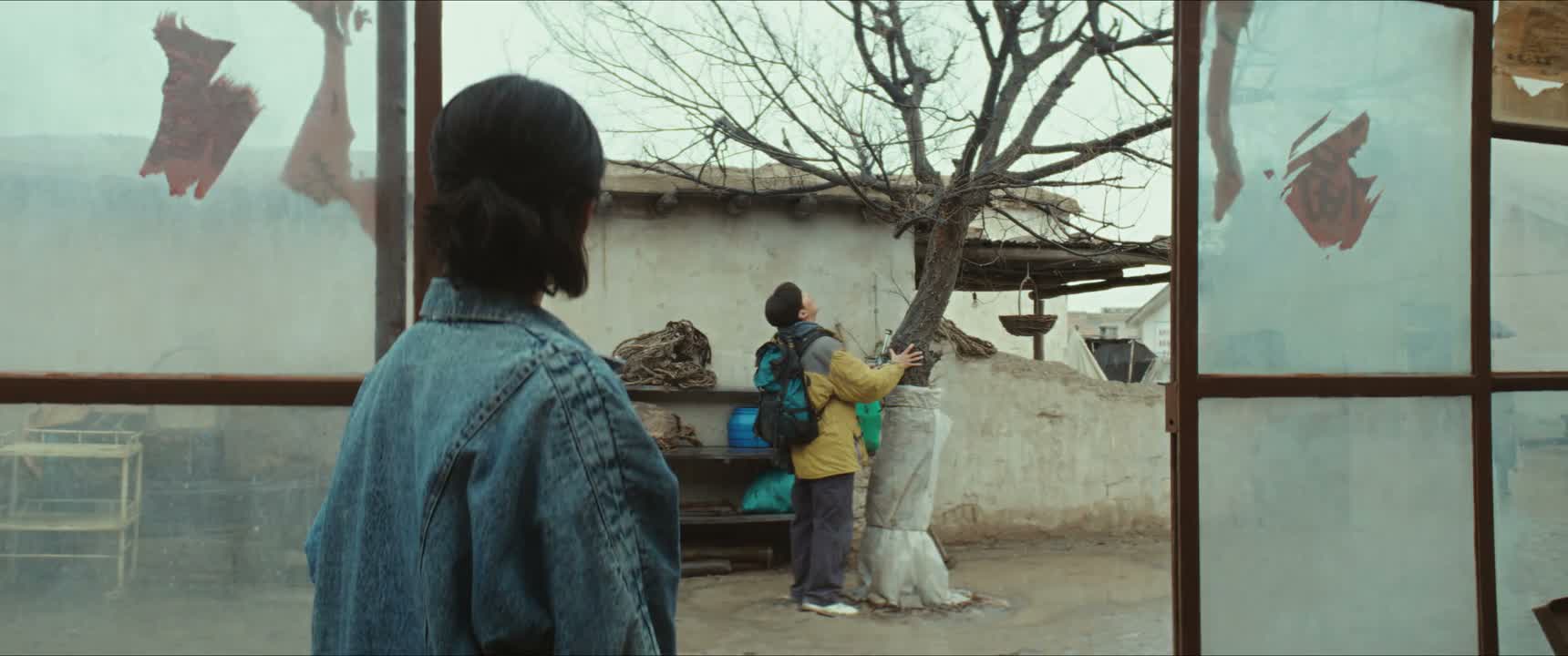
《Born to Be Alive》 S1·E37 (32:28)
HSK 3
nǐ zhī dào zán men jiā shuí zuì xiàng shù ma
你知道咱们家 谁最像树吗
“Do you know who in our family is most like a tree?”
《Born to Be Alive》
S1·E37
TIMECODE: 32:28
·
1080P MASTER AUDIO
THE DIALOGUE REEL
[-1] PREVIOUS TURN
fēng yǔ hé yáng guāng
风雨和阳光
“wind, rain, and sunlight.”
nǐ zhī dào zán men jiā shuí zuì xiàng shù ma
CURRENT FOCUS
你知道 咱们家 谁最像树 吗
“Do you know who in our family is most like a tree?”
[+1] FOLLOW-UP TURN
wǒ
我
“Me?”
Subtitles synced to millisecond timecode
Browse Show Clips →
Scene:
Family & Home
Function:
PROVOKING THOUGHT
Tone:
REFLECTIVE
Emotion:
AFFECTION
WHAT THEY REALLY MEAN (PRAGMATIC SUBTEXT)
“Think about who silently weathers everything to protect our family.”
💡 Cultural Insight: The Tree Metaphor in Chinese Family
Trees often symbolize emotional shelter, quiet strength, resilience, and rooted dedication in Chinese familial storytelling.
INTENT TAGS:
#reflecting
#metaphor
#bonding
#teasing_inquiry
🧩
2 CHUNKS · 1 PARTICLES
LEARNING CHUNKS & PARTICLES
咱们家
SPOKEN CHUNK
our family
Using 咱们 instead of 我们 creates an intimate sense of inclusion between the speaker and listener.
最像
SPOKEN CHUNK
most resembles; is most like
Used to draw strong comparisons or metaphorical parallels between people or things.
Modal Particle「吗」 (ma)
CHANGE OF STATE
Transforms the statement into a simple yes-or-no question.
🏮
2 EXPR · 0 GRAMMAR
VOCABULARY & EXPRESSIONS
COLLOQUIAL EXPRESSIONS:
CROSS-CINEMA CORPUS BOARD · PARALLEL SCENES
EXPLORE BY SEMANTIC SIMILARITY
Parallel Spoken Cinema Scenes (语义近邻切片)

《Born to Be Alive》 S1·E37 (32:28) · Authentic Cinema Dialogue Corpus