MC
MandarinClips Cinema Corpus
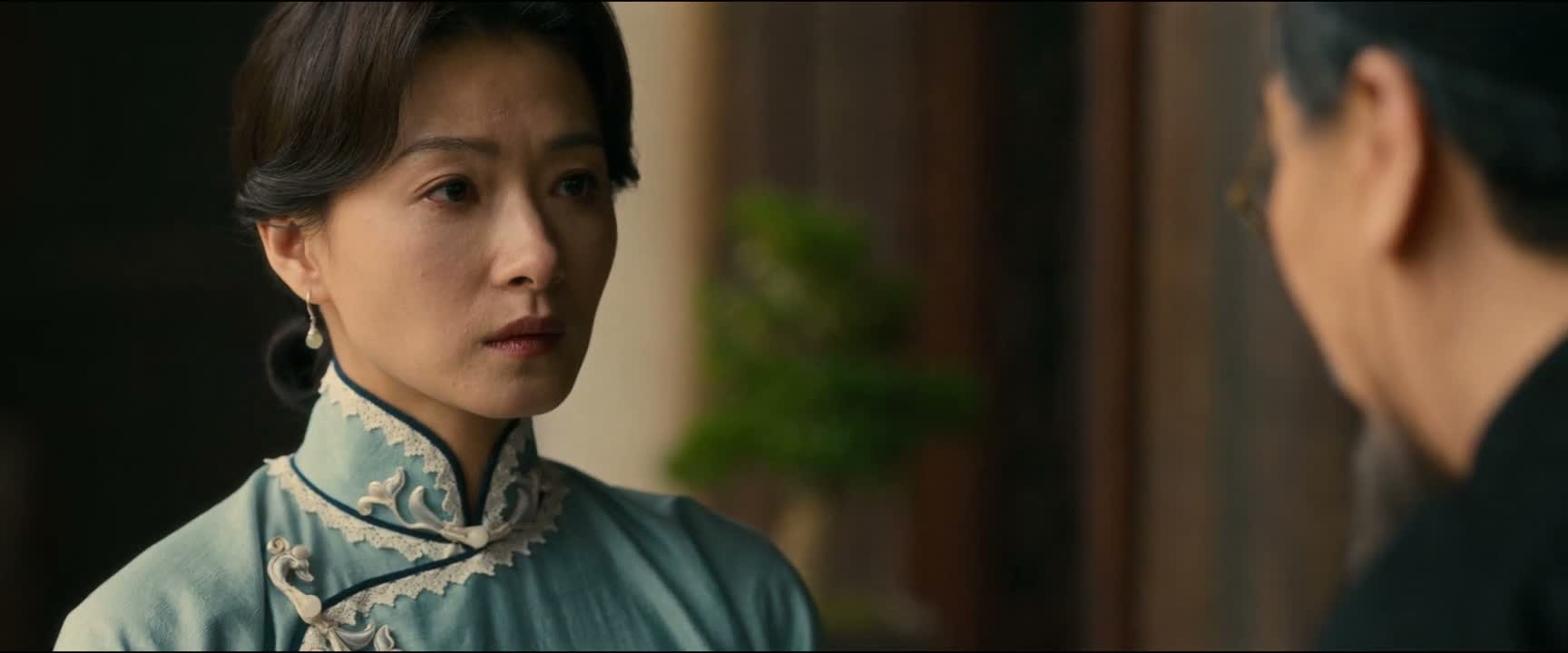
《Road to Success》 S1·E31 (39:15) HSK 6
nǐ shuō shí huà lái wǒ men fáng jiān gàn shén me

你说实话来我们房间干什么

“Tell the truth, what were you doing in our room?”

《Road to Success》 S1·E31
TIMECODE: 39:15 · 1080P MASTER AUDIO

THE DIALOGUE REEL

1+1+1 SPOKEN CONTINUITY
[-1] PREVIOUS TURN tǎn bái cóng kuān kàng jù cóng yán

“Confess, and you'll be treated leniently. Resist, and you'll be punished severely.”

nǐ shuō shí huà lái wǒ men fáng jiān gàn shén me CURRENT FOCUS

你说实话 来我们房间 干什么

“Tell the truth, what were you doing in our room?”

[+1] FOLLOW-UP TURN yào shén me jiě shì xiǎo lín lǎo shī zhí jiē jǔ bào tā

“Why do we need an explanation? Ms. Lin, report him directly.”

Subtitles synced to millisecond timecode Browse Show Clips →
Scene: Crisis & Conflict
Function: DEMANDING EXPLANATION
Tone: CONFRONTATIONAL AND SHARP
Emotion: ANGER
WHAT THEY REALLY MEAN (PRAGMATIC SUBTEXT)
“Cut the lies; we caught you red-handed and you'd better confess right now.”
💡 Cultural Insight: Interrogation Rhetoric in Daily Conflicts

Borrowing judicial idioms like 'confess and receive leniency' playfully or aggressively in interpersonal disputes is a common Chinese rhetorical strategy to pressure the wrongdoer.

INTENT TAGS: #demanding_truth #accusation #confrontation #suspicion
🧩

LEARNING CHUNKS & PARTICLES

2 CHUNKS · 0 PARTICLES
说实话 SPOKEN CHUNK

tell the truth / to be honest

Can be used as an imperative to demand honesty or as a discourse marker equivalent to 'frankly speaking'.

干什么 SPOKEN CHUNK

what are you doing / for what purpose

A colloquial question phrase that often carries a confrontational or accusatory edge when spoken with falling intonation.
🏮

VOCABULARY & EXPRESSIONS

2 EXPR · 0 GRAMMAR
CROSS-CINEMA CORPUS BOARD · PARALLEL SCENES

Parallel Spoken Cinema Scenes (语义近邻切片)

EXPLORE BY SEMANTIC SIMILARITY
《Road to Success》 S1·E31 (39:15) · Authentic Cinema Dialogue Corpus