光在火车站这边趴活的就多少呢
“So many guys work the train station area alone.”
THE DIALOGUE REEL
“There's no way to tell who's who. Exactly.”
光在火车站 这边 趴活 的就多少呢
“So many guys work the train station area alone.”
帮不上你了 警察同志
“Can't help you, officer.”
“There are way too many of us out here; there is no way I could remember him.”
Informal transit workers (like unlicensed cabs or motorcycle taxis) clustering around train stations are common in Chinese cities, forming a loose, chaotic community.
LEARNING CHUNKS & PARTICLES
waiting for fares / soliciting passengers (of cabs, unlicensed taxis)
A northern slang term used specifically for drivers idling at transit hubs waiting for customers.
just... alone already...
A useful construction to emphasize a large quantity or high severity based on just one subset.
Used at the end of a rhetorical question to prompt the listener to consider the magnitude of the situation.
VOCABULARY & EXPRESSIONS
Parallel Spoken Cinema Scenes (语义近邻切片)

“Why's the lighting so dim here?”
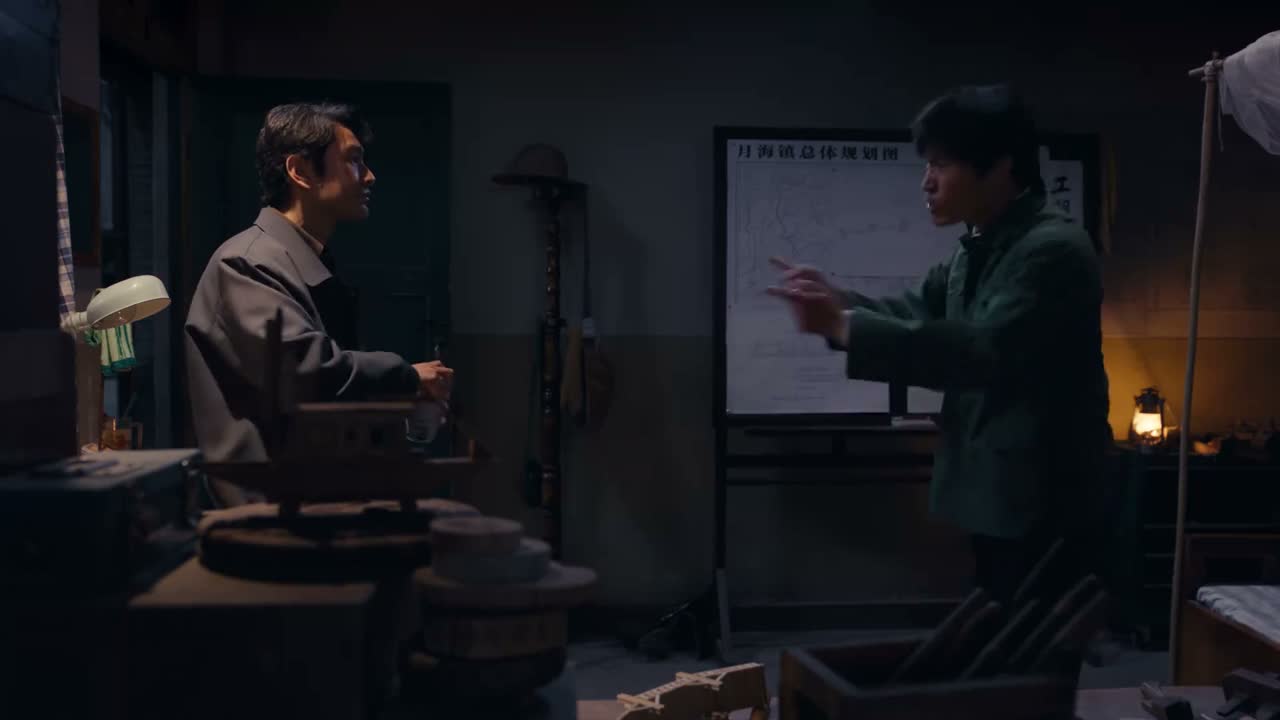
“Just talking about speed is useless.”

“You've used up too much energy. Don't go to the high-speed rail station.”

“Why did the daytime come so soon?”

“you can't hide the spark in your eyes.”

“Is there light in my eyes now?”