你体能消耗太大 别去高铁站了
“You've used up too much energy. Don't go to the high-speed rail station.”
THE DIALOGUE REEL
“Why don't you take the chartered bus back?”
你体能消耗 太大 别去 高铁站 了
“You've used up too much energy. Don't go to the high-speed rail station.”
“I think I'll still take the high-speed rail. That way I can get some rest.”
Direct spoken expression in this communicative setting.
Chinese social bonds often manifest through unsolicited practical advice regarding physical well-being and rest, showing attentiveness to the other party's bodily state.
LEARNING CHUNKS & PARTICLES
physical energy expenditure / physical exertion
Commonly used in sports, manual labor, or rigorous travel contexts to describe physical exhaustion.
high-speed railway station
A vital modern travel term in China, referring to high-speed rail passenger terminals.
Functions here to indicate a change of state or a realized situation (消耗太大), and when paired with '别...了' it forms a prohibitive structure meaning 'stop doing / don't do it anymore'.
VOCABULARY & EXPRESSIONS
Parallel Spoken Cinema Scenes (语义近邻切片)
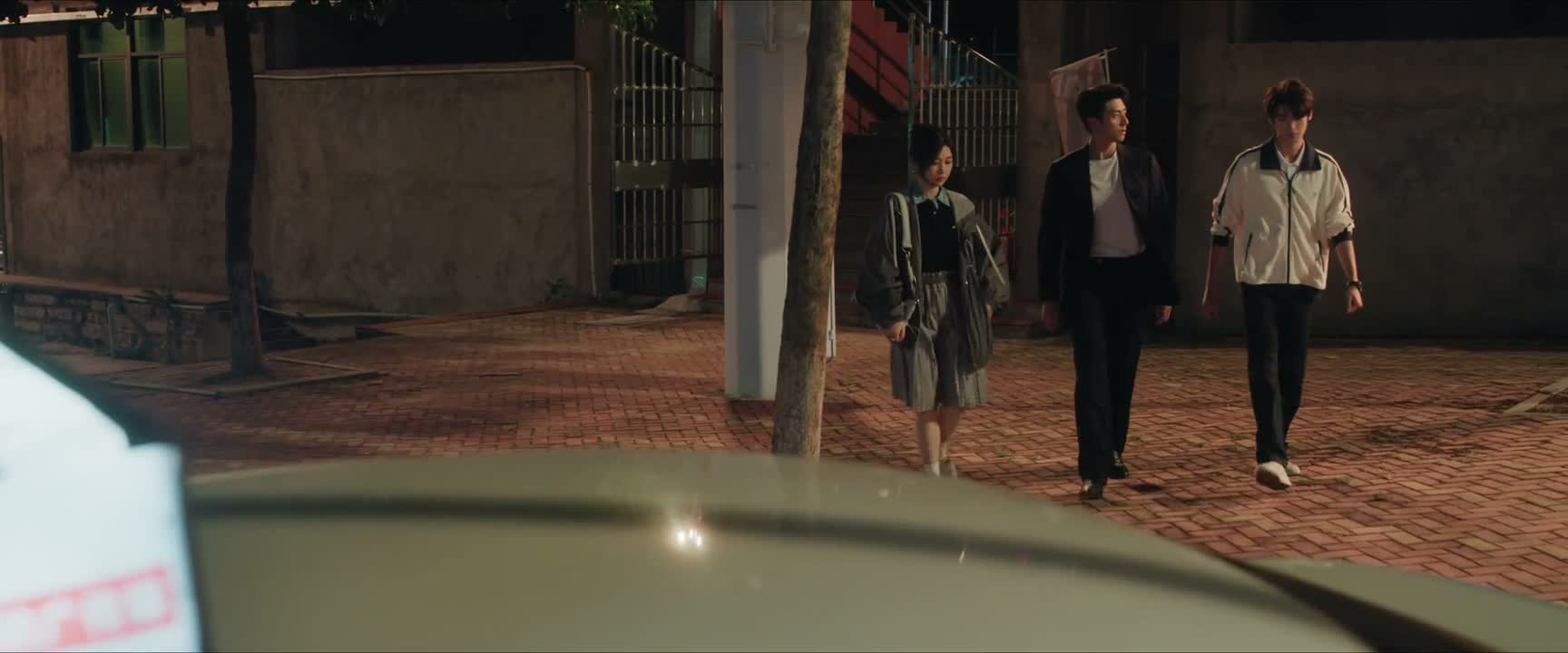
“I think I'll still take the high-speed rail. That way I can get some rest.”
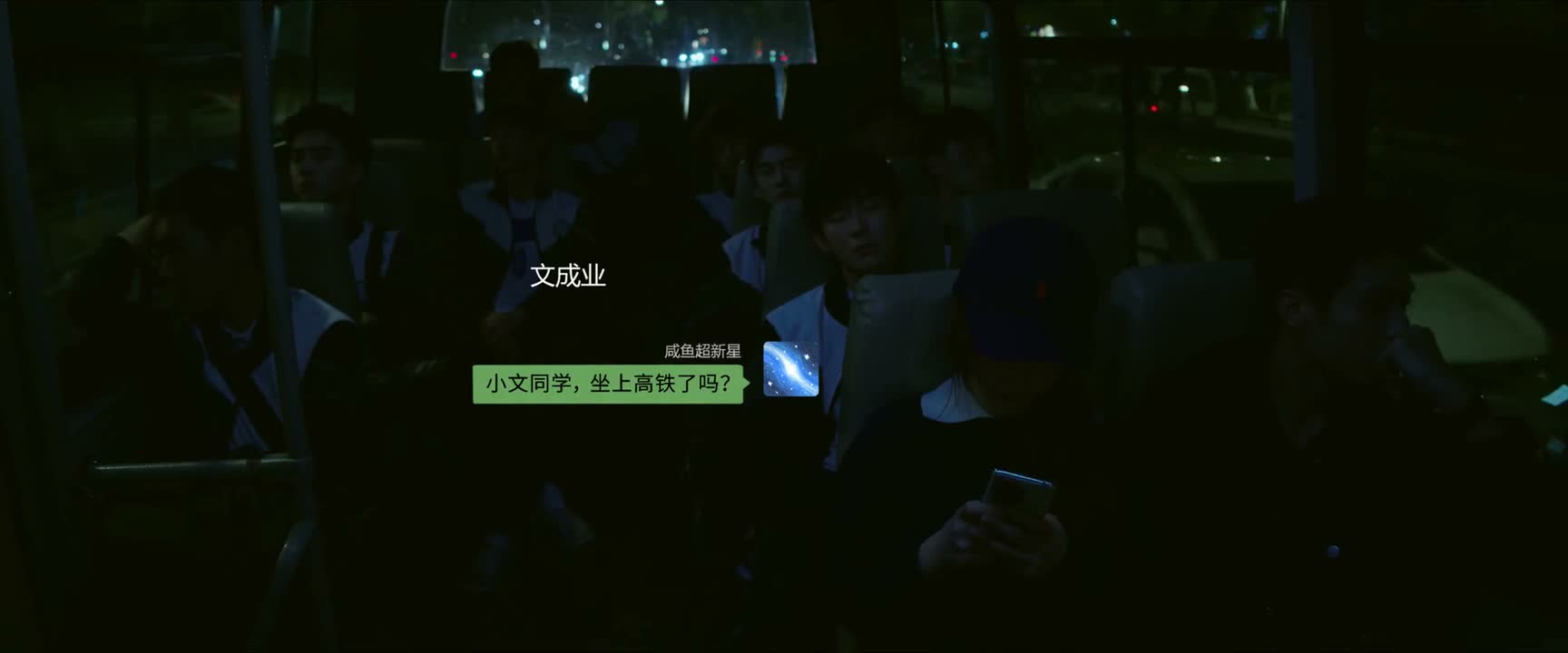
“[Wen Chengye] Wen, have you boarded the train?”

“I knew you'd pull this trick when getting off the train.”

“Don't worry. I can take the high-speed train back by myself.”

“Today drained you emotionally.”

“He can't even outrun me in the physical test.”