我没有能力了就自给自足
“After I lost that ability, I have to make a living myself”
THE DIALOGUE REEL
还网贷
“and pay the network loan.”
我没有 能力 了 就 自给自足
“After I lost that ability, I have to make a living myself”
自生自灭
“and survive on my own.”
“I'm exhausted and out of options; if worse comes to worst, I will just scrape by on my own.”
Modern Chinese youth frequently use idioms like 'self-sufficient' or 'fend for oneself' with self-mockery to voice coping mechanisms against heavy financial burdens like loans and rent.
LEARNING CHUNKS & PARTICLES
self-sufficient; sustaining oneself without outside help
Originally an idiom for economic self-sufficiency, often used humorously in modern speech to mean barely surviving on one's own.
to no longer have the means or capacity
Commonly used colloquially when reaching one's financial, physical, or emotional limits.
Marks a change of state or conditional situation ('once I reach the point of having no means').
VOCABULARY & EXPRESSIONS
Parallel Spoken Cinema Scenes (语义近邻切片)

“that I need to make it on my own. - And no material... - I know. You've told me a million times already.”
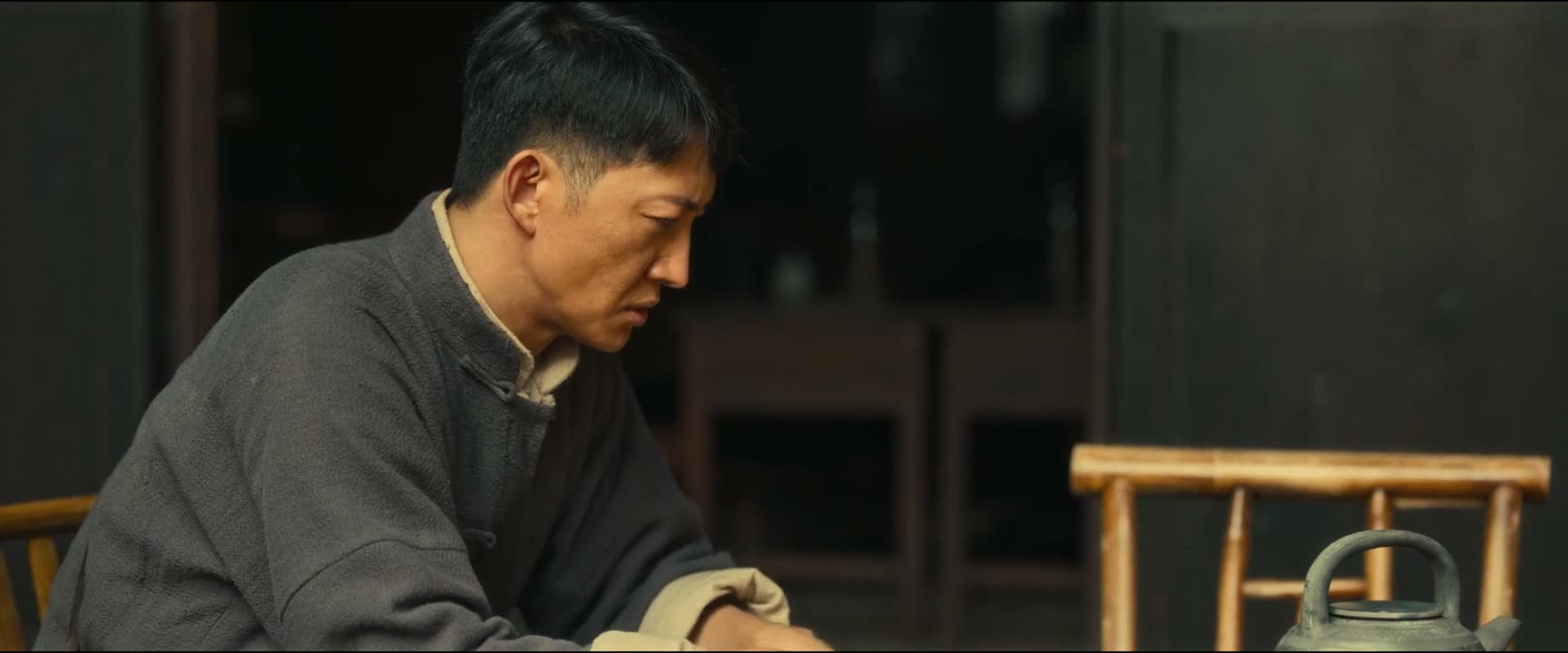
“We can't do this on our own.”

“but I can support myself with my own hands,”

“I can take care of myself.”
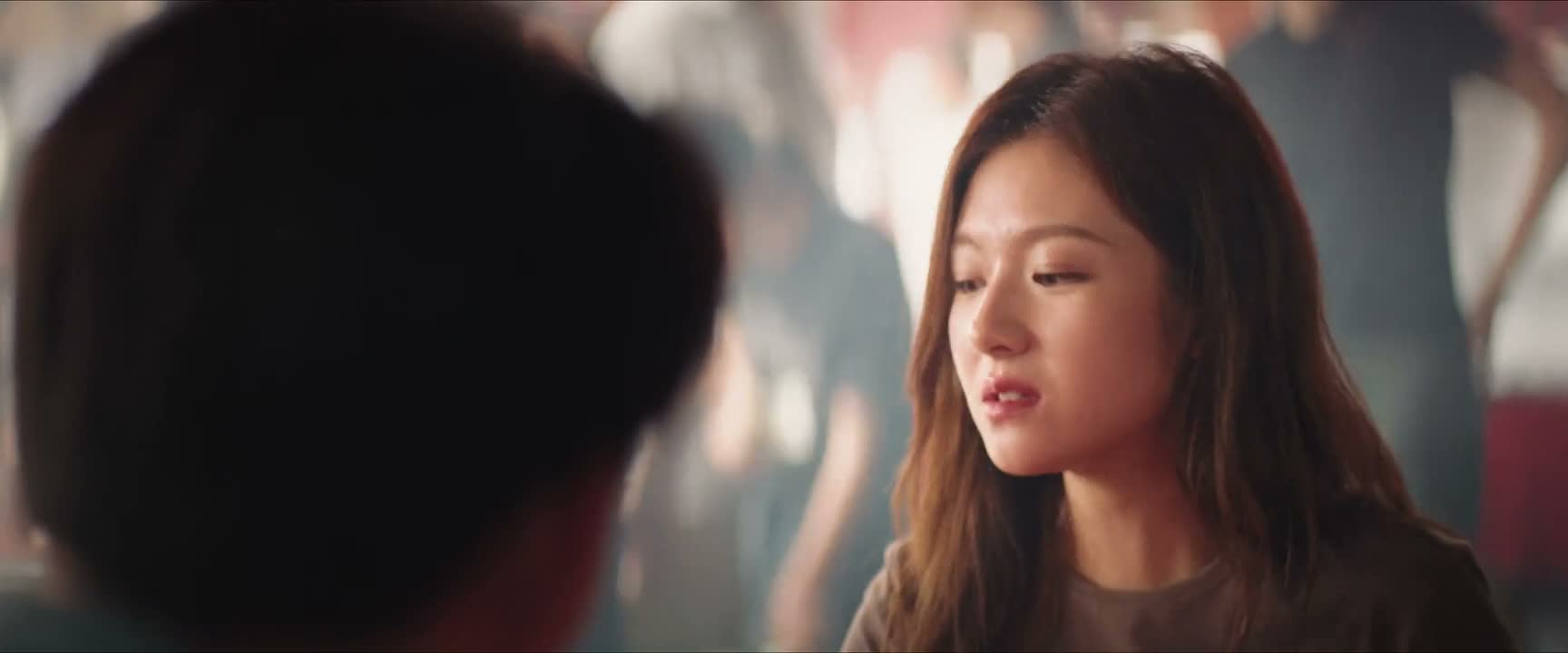
“It's good enough that I can support myself.”

“We can only rely on ourselves.”