如果晚上魏博士不在的话
“If Dr. Wei isn't there tonight...”
THE DIALOGUE REEL
晚上见
“See you tonight.”
如果 晚 上 魏博士 不在 的话
“If Dr. Wei isn't there tonight...”
见招拆招吧
“We'll improvise then.”
“What if Dr. Wei doesn't show up tonight? We might be on our own.”
In workplace or academic settings, using 'Surname + Doctor/Professor/Director' shows respect for the person's professional credentials and follows semi-formal social etiquette.
LEARNING CHUNKS & PARTICLES
if; in case
The most common conditional structure in spoken Chinese, frequently paired with 'de hua' at the end of the clause to enhance conversational flow.
to counter each move as it comes; to adapt to the situation as it unfolds
Originally from martial arts terminology, frequently used in modern conversation to describe dealing with unpredictable situations on the fly.
Placed at the end of a conditional clause to signal a hypothetical premise and soften the tone in spoken Chinese.
VOCABULARY & EXPRESSIONS
Parallel Spoken Cinema Scenes (语义近邻切片)
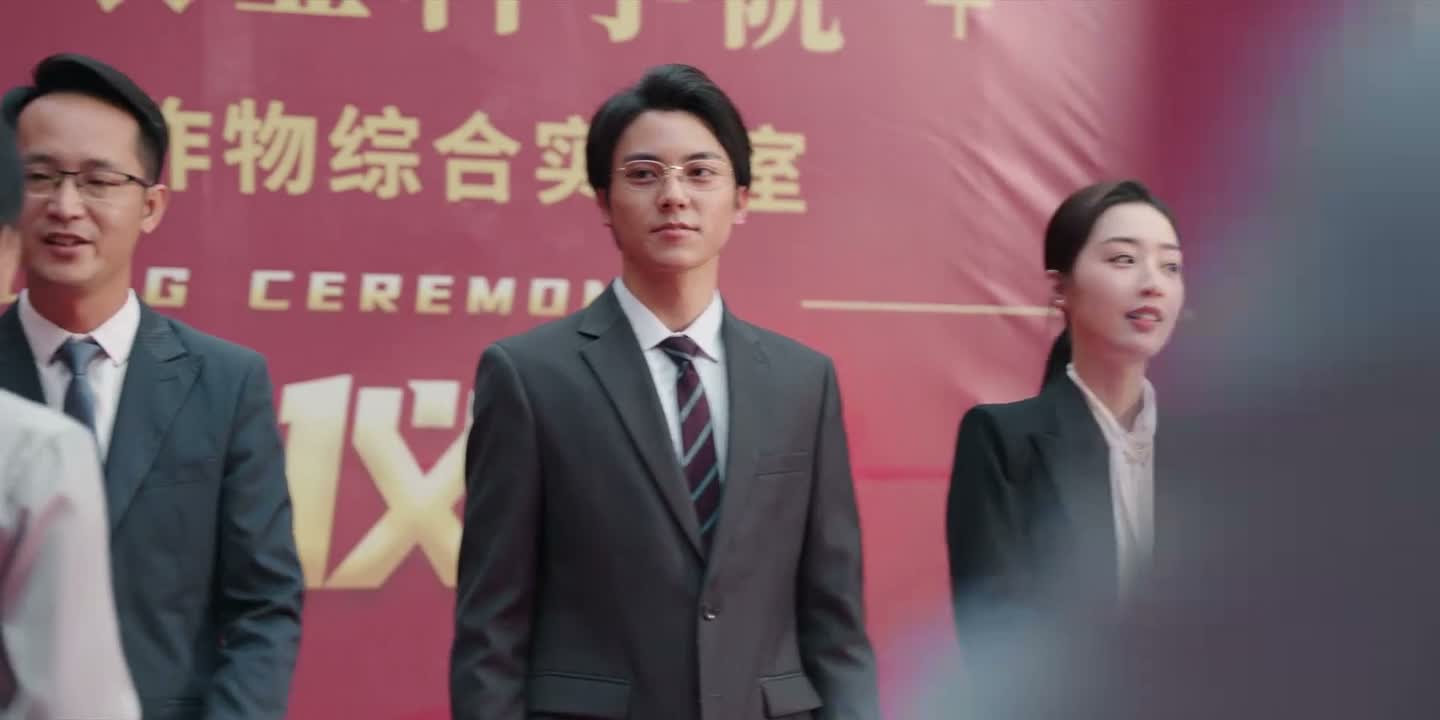
“Thanks to our Professor Wei this time.”
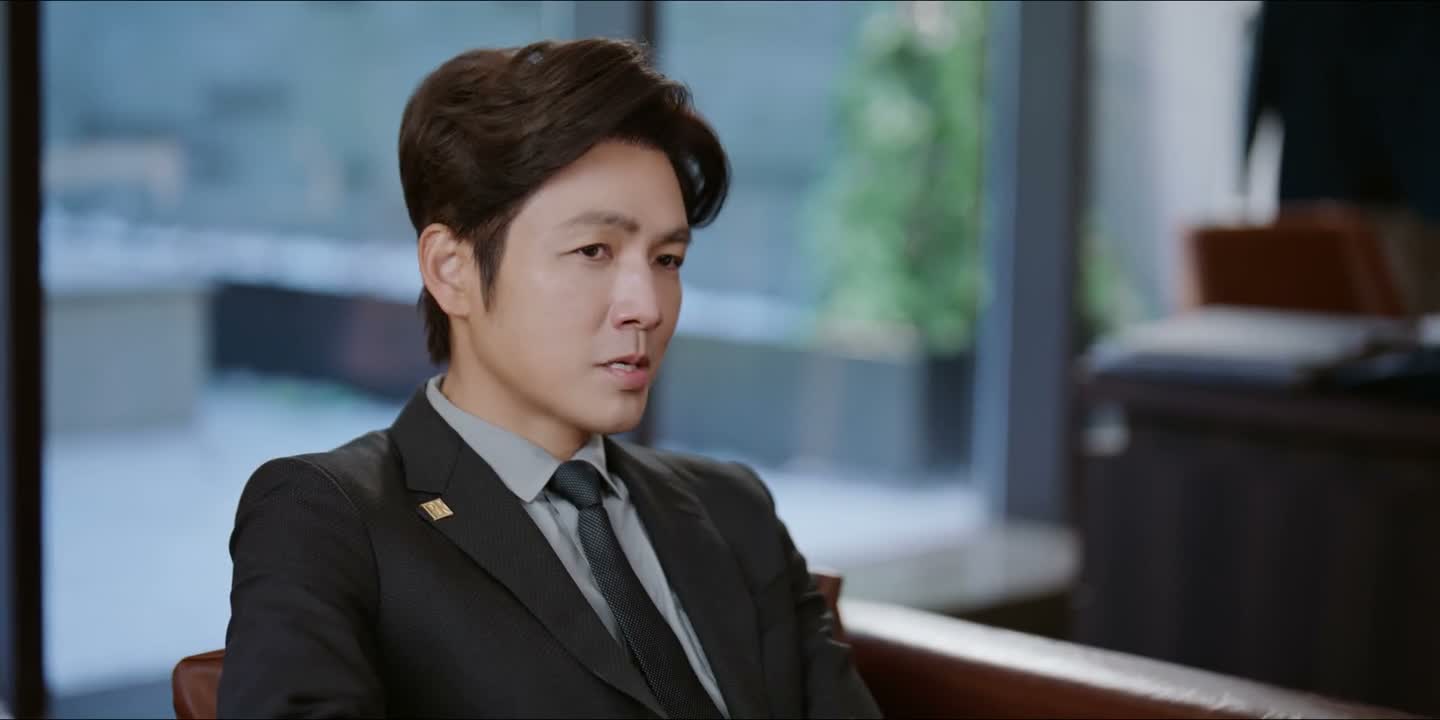
“I guess no one knows it better than you, Mr. Wei.”
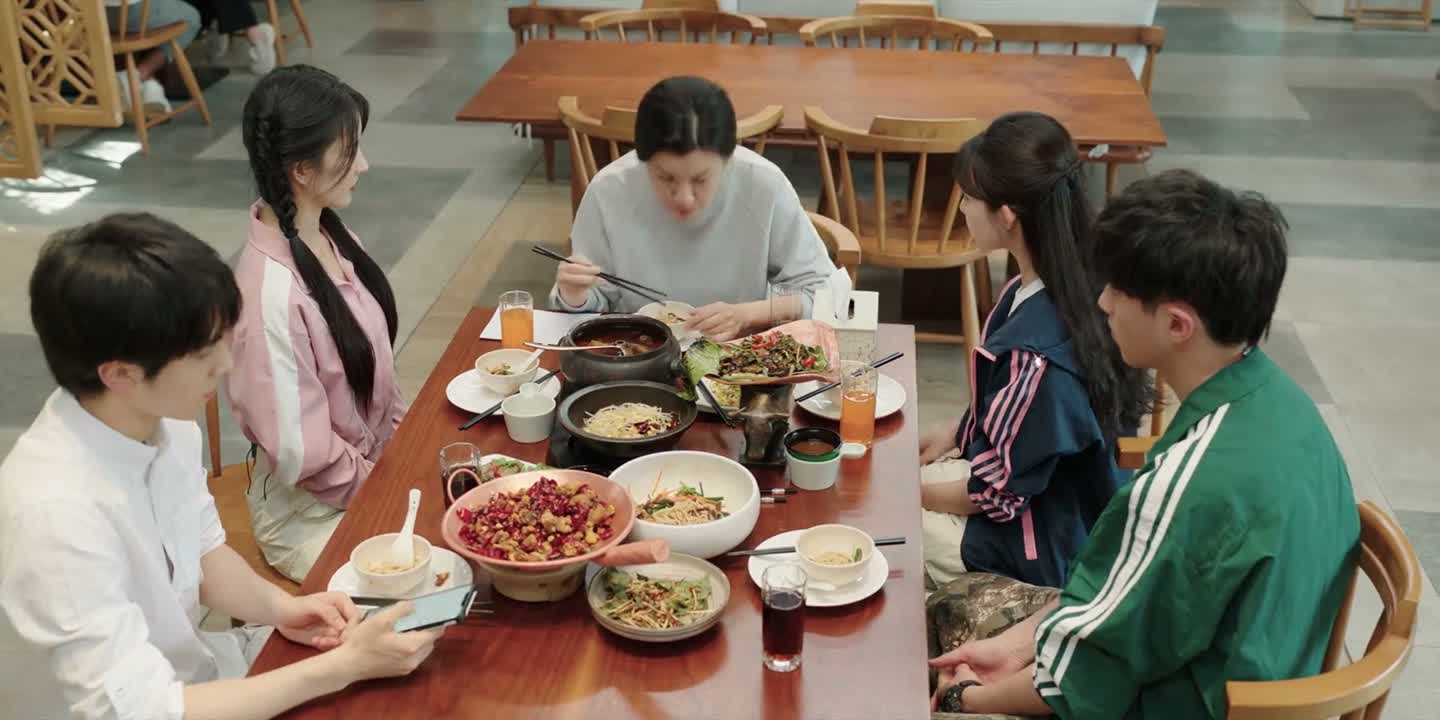
“Professor Wang wanted to send you to guide it.”
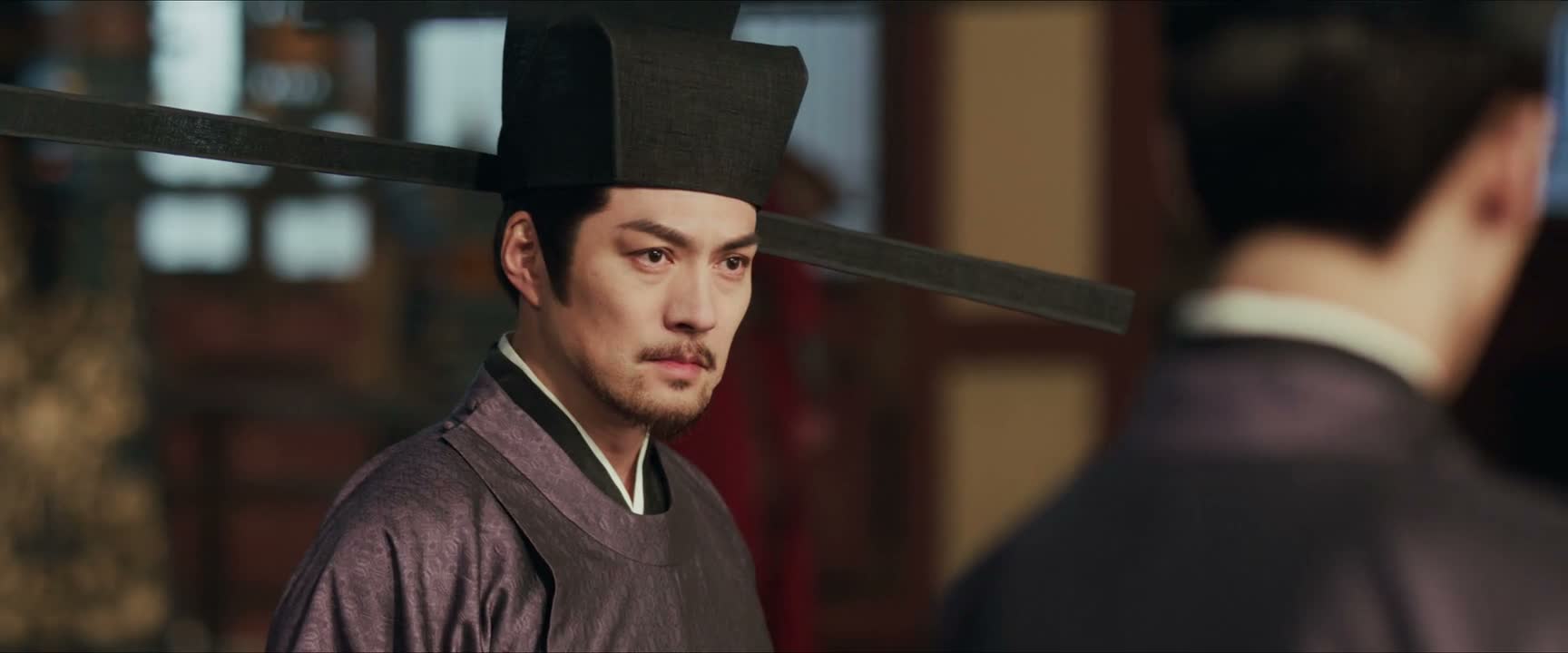
“Prime Minister Wei, it seems there are still people you care about.”
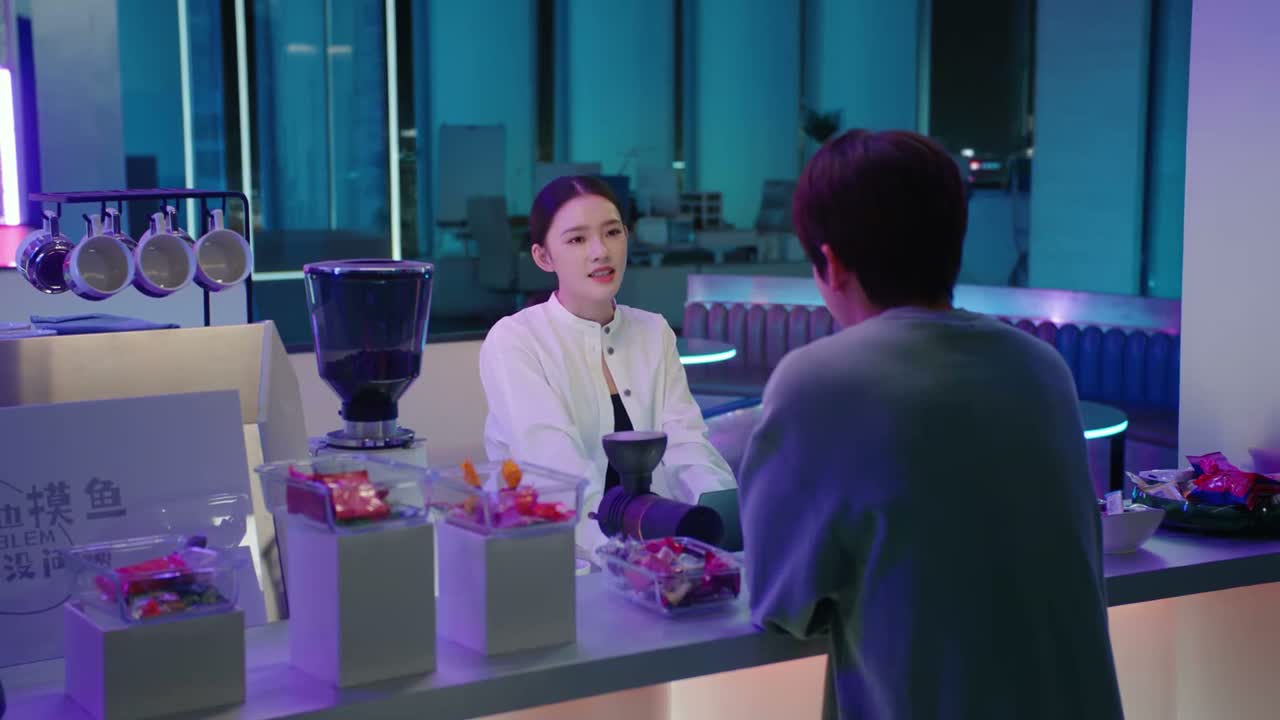
“Thank you, Mr. Pei. I won't be working overtime today, then. You don't need to.”
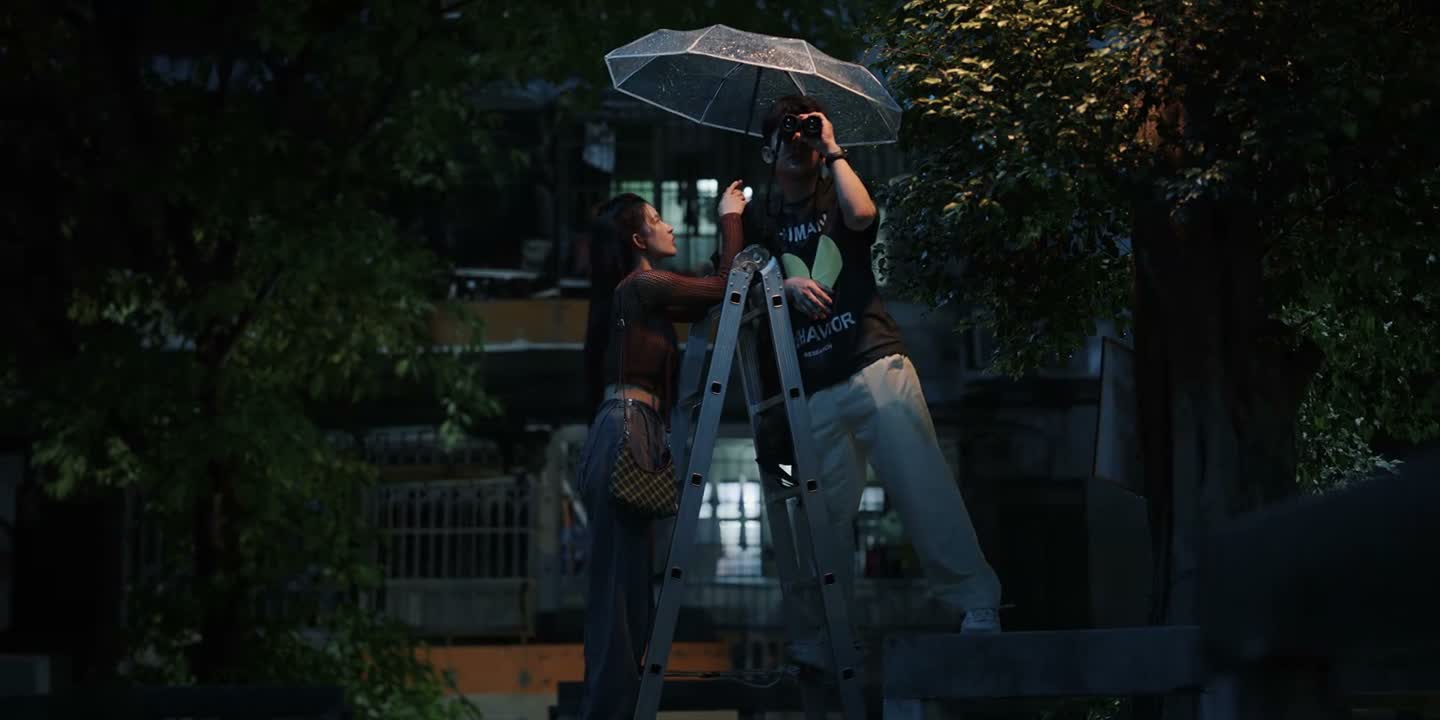
“You don't trust Wei Mingtian?”