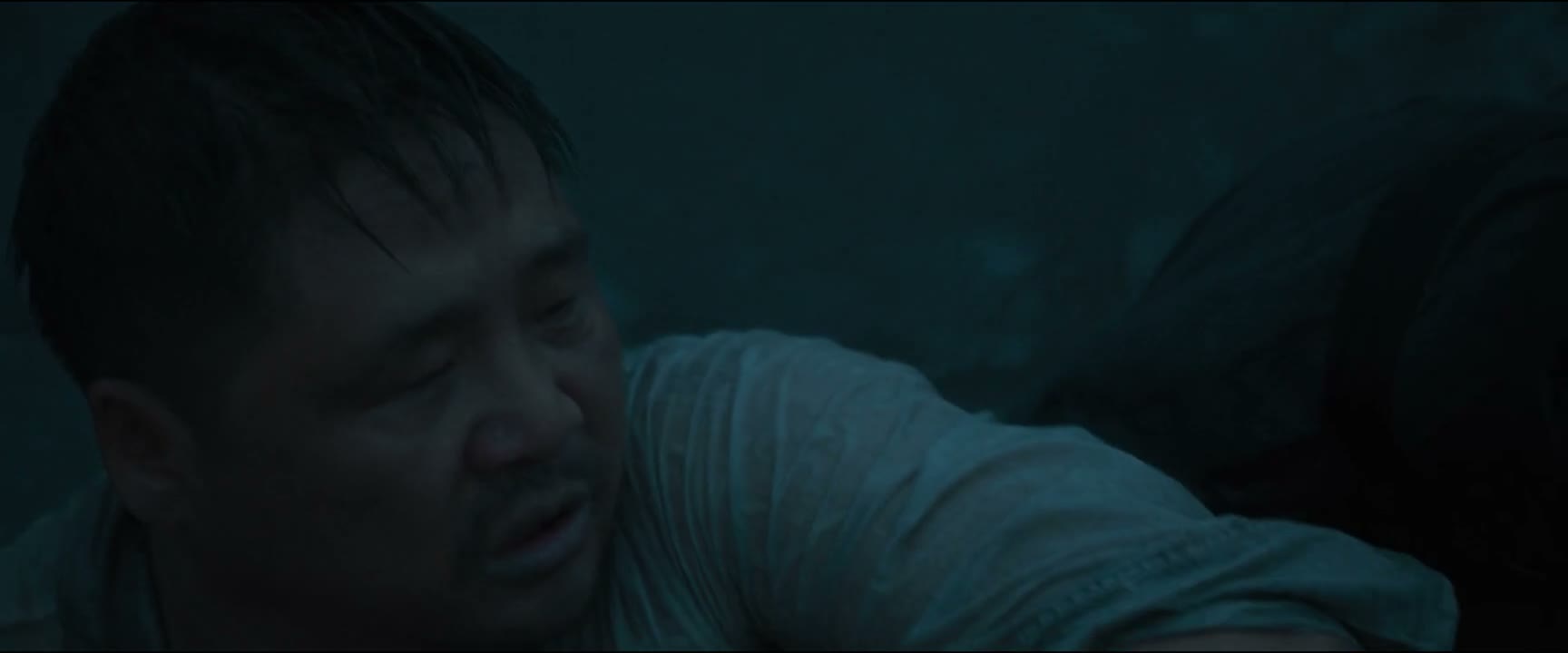
那我应该算死过一回了
“then I guess I have died once.”
THE DIALOGUE REEL
那我应该算死过一回了
“then I guess I have died once.”
“By that logic, the old me is already dead since I've lost all my memories.”
In Chinese philosophy and contemporary storytelling, losing one's memory is often equated to 'spiritual death' or 'the end of a past life,' reflecting the cultural view that lived experiences and memories constitute the core of one's identity.
LEARNING CHUNKS & PARTICLES
can be considered as having experienced ... once
Used in spoken Chinese to categorize or evaluate a unique personal experience, carrying a tone of subjective summation.
to have died once (or survived an ordeal of extreme suffering, near-death, or complete identity disruption)
Can describe surviving a literal near-death experience or metaphorically enduring a devastating trauma that erased one's past self.
Sentence-final particle indicating a change of state or an established reality deduced from given conditions.
VOCABULARY & EXPRESSIONS
Parallel Spoken Cinema Scenes (语义近邻切片)

“Because I've already died once when I was with you.”

“deserved to die.”
“What really happened? We've already died once.”