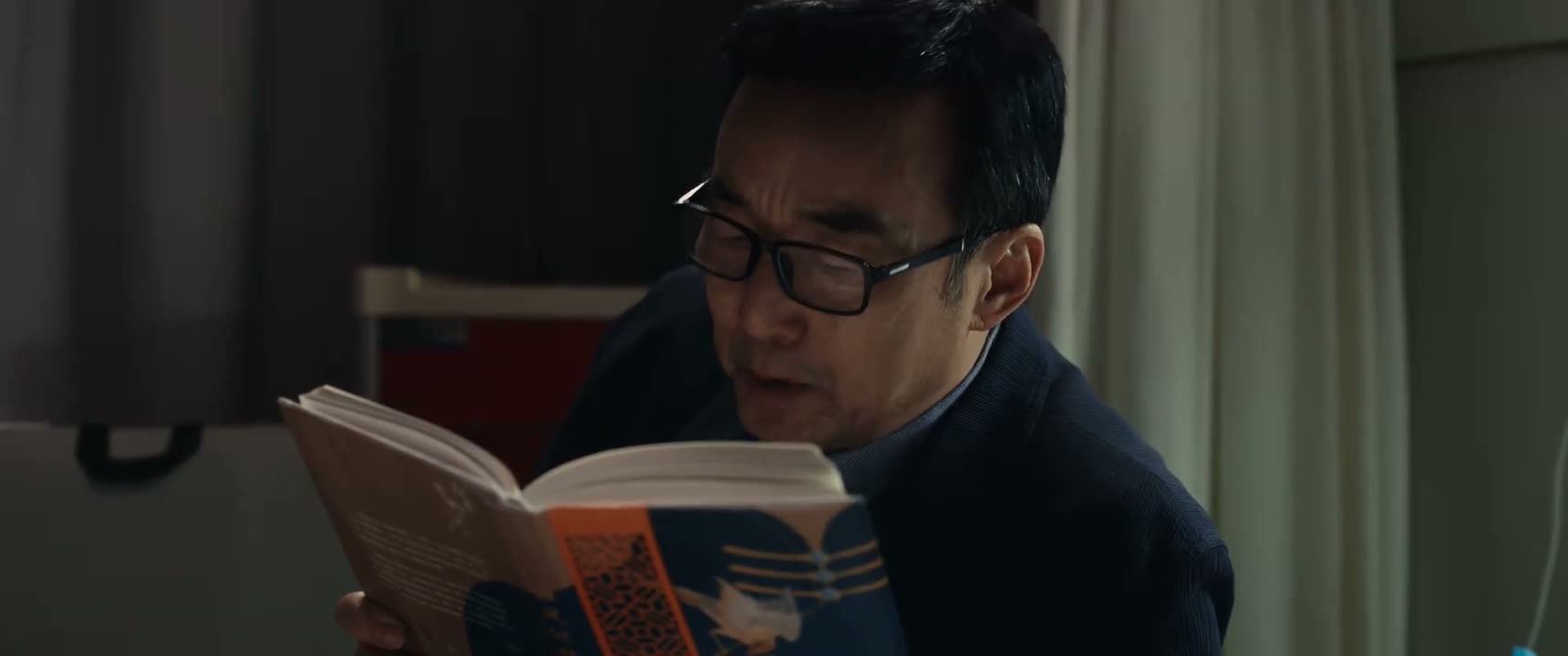
咱们就这么不明不白地走了
“If we just leave without explanation,”
THE DIALOGUE REEL
我是他兄弟
“I'm his brother.”
咱们就这么不明不白地走了
“If we just leave without explanation,”
让广才以后在村里怎么活呀
“how will Guangcai live with himself in the village?”
“We can't just run off and leave things unresolved; we must clear Guangcai's name first.”
In a typical Chinese rural acquaintance society, an individual's moral reputation directly determines their living space and dignity. Leaving things 'unclear or unresolved' is tantamount to admitting fault, causing one to lose face entirely and face social ostracism among fellow villagers.
LEARNING CHUNKS & PARTICLES
unclear, ambiguous, or lacking a reasonable explanation or closure
Frequently used as an adverbial modifying verbs (e.g., 'dying/leaving/being wronged without clear justification'); very common in spoken Chinese, conveying strong grievance or dissatisfaction.
to just end or happen like this, often abruptly, casually, or helplessly
Commonly used in rhetorical questions or challenges to convey unwillingness, disbelief, or objection to a decision.
VOCABULARY & EXPRESSIONS
Parallel Spoken Cinema Scenes (语义近邻切片)

“Has she left? No.”
“end up drifting apart...”

“If you leave without a word,”

“I don't know what's going on either. Let's go. Let's go around to the back and take a look.”

“You left without a word.”

“-Leaving? -Why are you leaving?”