您去过北襄了吗
“Have you been to Beixiang?”
THE DIALOGUE REEL
先生
“Sir.”
您 去过北襄 了 吗
“Have you been to Beixiang?”
当年
“Back then,”
“Did you ever fulfill the dream we talked about regarding Beixiang?”
Using 'Nin' combined with 'Xiansheng' reflects traditional Chinese etiquette of profound deference toward teachers, mentors, or esteemed elders.
LEARNING CHUNKS & PARTICLES
Have you been (there) yet?
Use this structure (去过 + place + 了吗) to politely inquire about someone's past travel or experiential history.
Marks the completion of an action or entering a new state in an inquiry.
Turns the declarative clause into a standard yes-no question.
VOCABULARY & EXPRESSIONS
Parallel Spoken Cinema Scenes (语义近邻切片)

“What are you doing in North Xiang?”

“This trip to North Xiang was for gaining experience.”
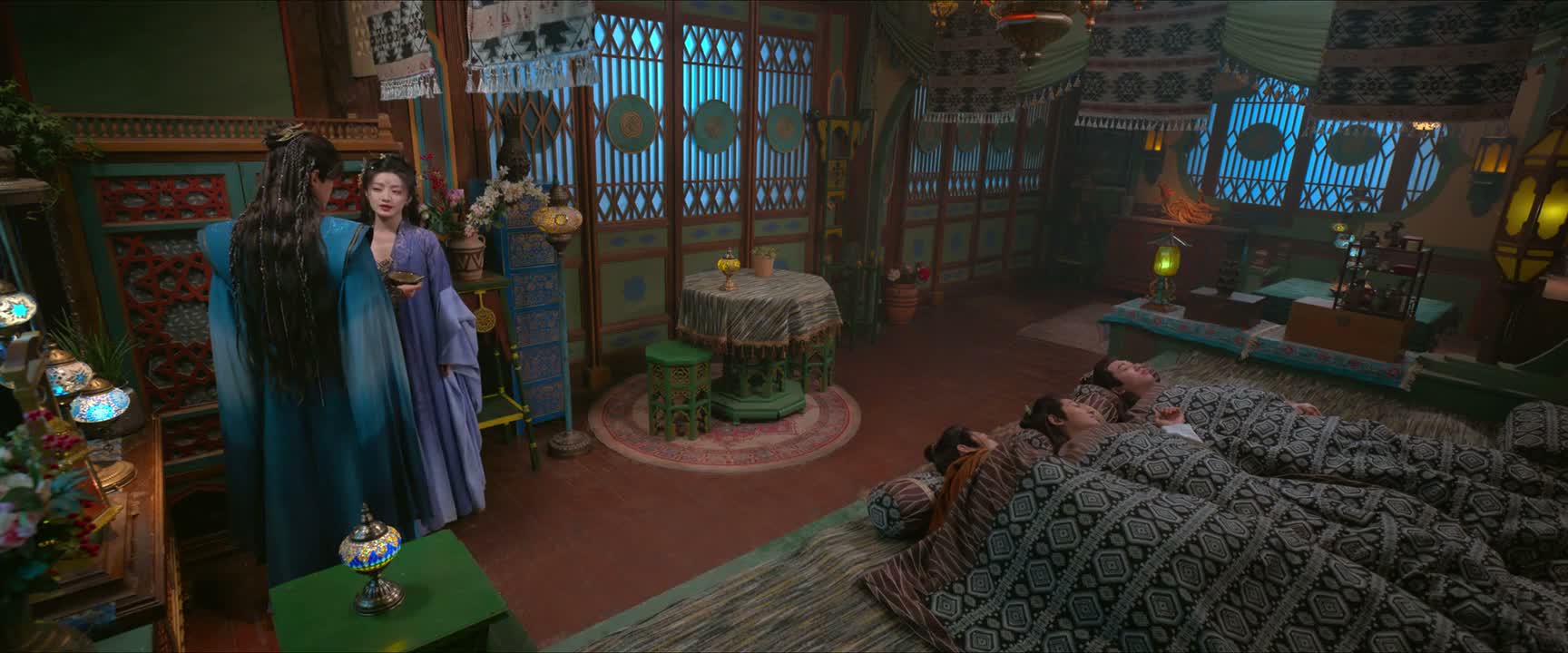
“Now that you're in North Xiang,”

“There are 3 roads to North Xiang.”

“There are three roads to Beixiang.”
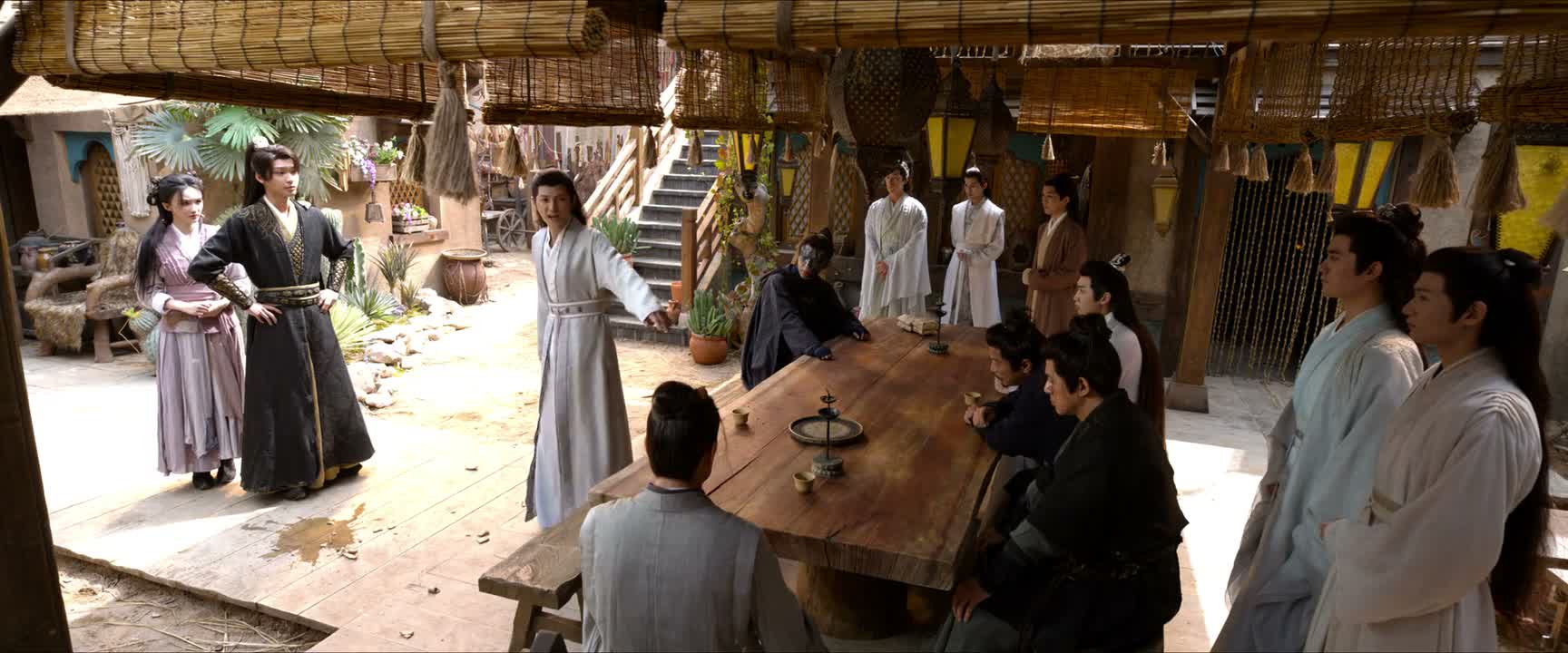
“What's the point of coming to North Xiang?”