MC
MandarinClips Cinema Corpus
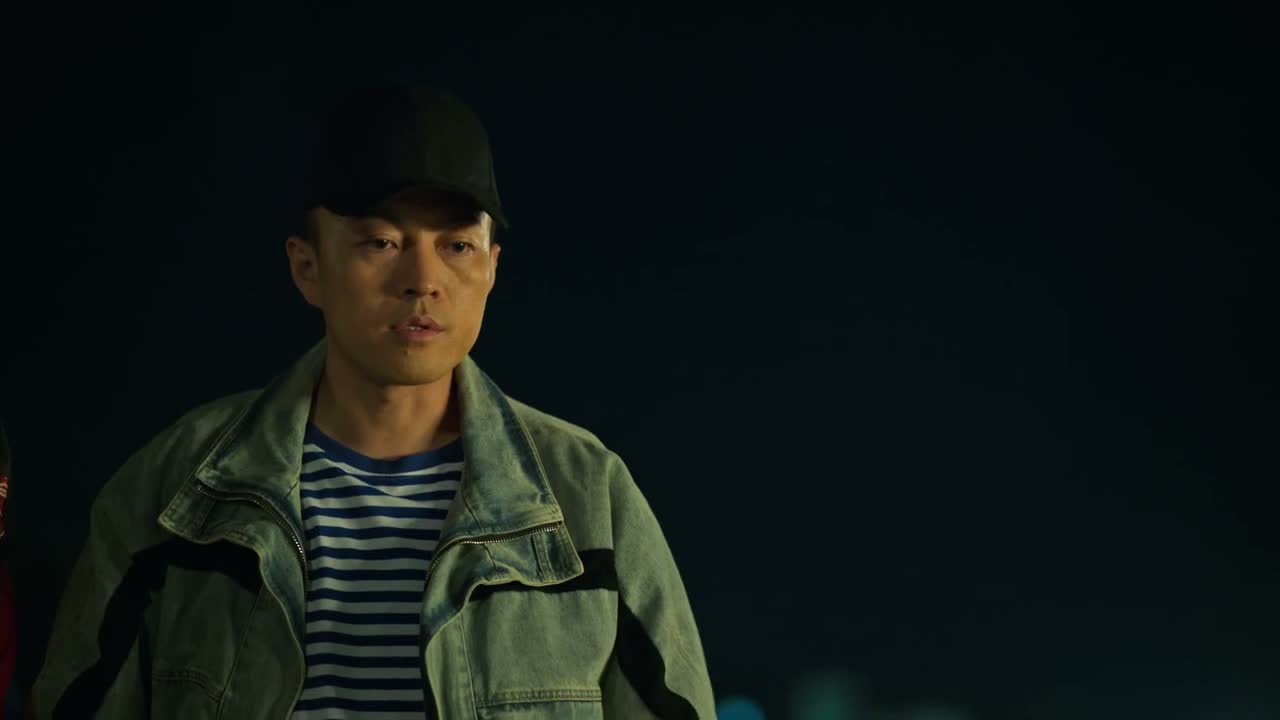
《Unsettled Case》 S1·E3 (07:26) HSK 7
tā yǐ wéi bǎ wǒ men gěi shuǎi le dàn wǒ men gěi chuán zhǎng dǎ le diàn huà

他以为把我们给甩了 但我们给船长打了电话

“He thought he'd given us the slip. We phoned the captain.”

《Unsettled Case》 S1·E3
TIMECODE: 07:26 · 1080P MASTER AUDIO

THE DIALOGUE REEL

1+1+1 SPOKEN CONTINUITY
[-1] PREVIOUS TURN tā bú shì tè bié cōng míng

他不是特别聪明

“[laughs] He wasn't a bright lad.”

tā yǐ wéi bǎ wǒ men gěi shuǎi le dàn wǒ men gěi chuán zhǎng dǎ le diàn huà CURRENT FOCUS

他以为 把我们给甩了 但 我们 给 船长 打了电话

“He thought he'd given us the slip. We phoned the captain.”

[+1] FOLLOW-UP TURN dāng chuán zhǎng hé dà fù kào jìn tā shí

当船长和大副靠近他时

“When the captain and the first mate approached him,”

Subtitles synced to millisecond timecode Browse Show Clips →
Scene: Legal & Police
Function: REPORTING ACTION
Tone: SMUG
Emotion: CONFIDENCE
WHAT THEY REALLY MEAN (PRAGMATIC SUBTEXT)
“He thought he was clever, but we were already one step ahead of him.”
💡 Cultural Insight: Emphatic Disposal with '把……给……'

Adding '给' before the main verb in a '把' sentence intensifies the execution of the action, frequently conveying colloquial casualness or smug satisfaction.

INTENT TAGS: #mocking_opponent #reporting_success #outmaneuvering #narrating_pursuit
🧩

LEARNING CHUNKS & PARTICLES

2 CHUNKS · 1 PARTICLES
以为 SPOKEN CHUNK

mistakenly thought that

Essential verb indicating that the premise that follows turned out to be false or incorrect.

把……给甩了 SPOKEN CHUNK

to shake off / ditch someone

Colloquial structure using '把' and emphatic '给' to describe ditching pursuers or breaking up with a partner.

Modal Particle「了」 (le) CHANGE OF STATE

Marks completion of the action in '甩了' and '打了电话', highlighting dynamic sequential events.
🏮

VOCABULARY & EXPRESSIONS

3 EXPR · 6 GRAMMAR
CROSS-CINEMA CORPUS BOARD · PARALLEL SCENES

Parallel Spoken Cinema Scenes (语义近邻切片)

EXPLORE BY SEMANTIC SIMILARITY
《Unsettled Case》 S1·E3 (07:26) · Authentic Cinema Dialogue Corpus