到头来还不是自己的
“he turns out not to be his biological child.”
THE DIALOGUE REEL
养了这么多年的痴呆儿子
“after raising this intellectually disabled son for so many years,”
到头来还不是 自己的
“he turns out not to be his biological child.”
“No one could swallow that.”
Direct spoken expression in this communicative setting.
In traditional Chinese culture, biological lineage is paramount, making the discovery of raising an unrelated child an immense emotional and existential blow.
LEARNING CHUNKS & PARTICLES
in the end; ultimately
Commonly used in spoken Chinese to introduce an unexpected, disappointing, or ironic final outcome after much effort.
still turns out to be nothing other than; in reality just
A rhetorical phrase used to emphasize a disappointing reality or undeniable fact despite previous hopes.
Functions as a nominalizer marking possession, underscoring that the child is not biologically 'one's own'.
VOCABULARY & EXPRESSIONS
Parallel Spoken Cinema Scenes (语义近邻切片)

“We all meet the same end.”
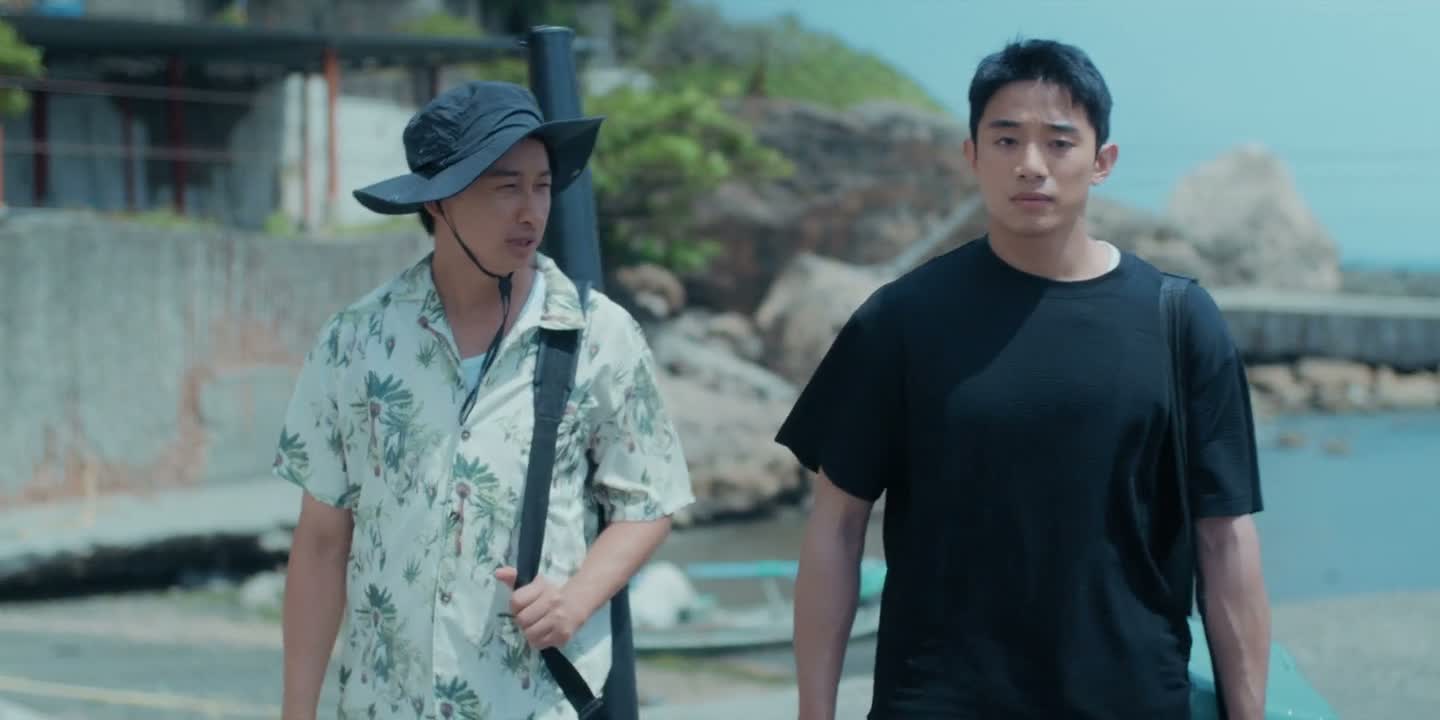
“Otherwise,”

“Won't I be the one losing out in the end?”

“to start anew.”
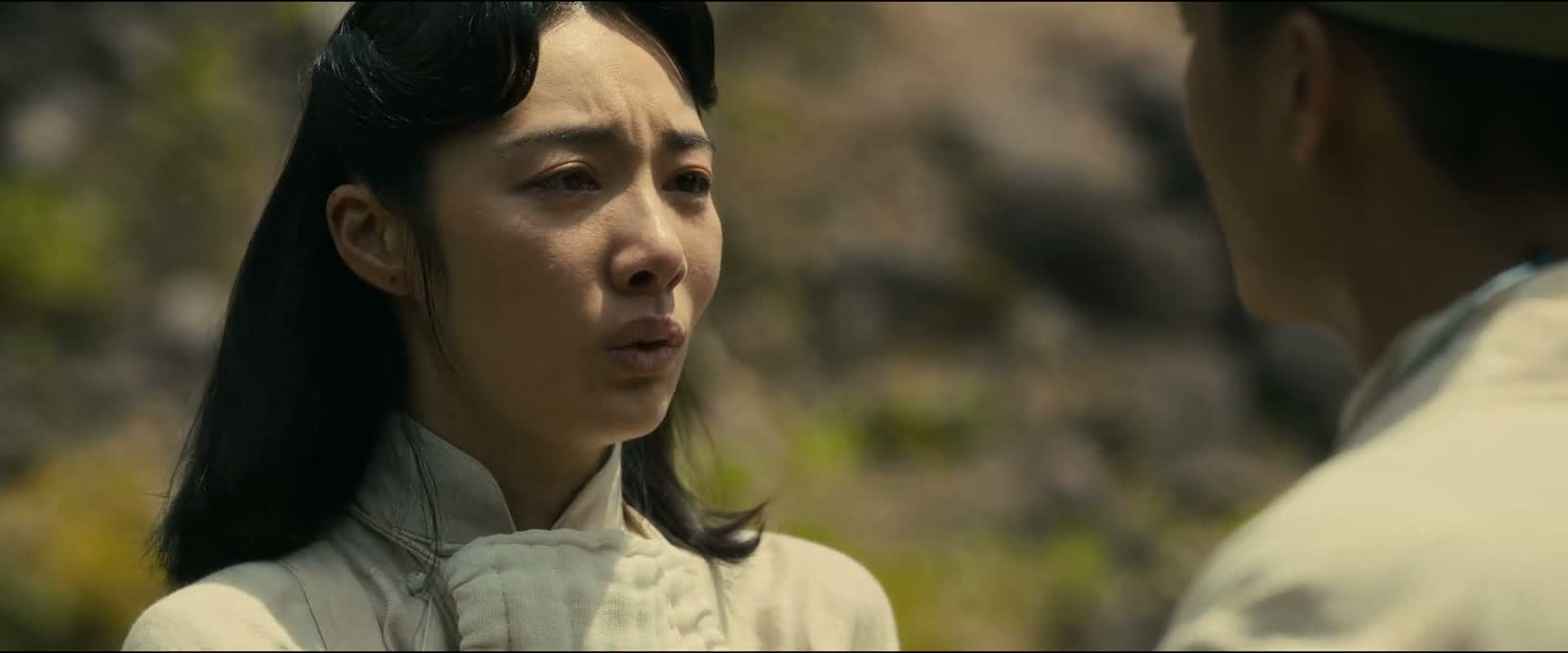
“I don't want you to end up like them.”

“It was you who bumped into me first, causing me to accidentally break these.”