How to say "我也是头一回在战场上过" (wǒ yě shì tóu yī huí zài zhàn chǎng shàng guò) in Chinese dialogue
我也是头一回在战场上过
It was my first time spending it on the battlefield.
Idioms & Colloquial Expressions
INTERACTIVE SCRIPT TIMELINE
LINE 0110:29
nà那
tiān天
shì是
bā八
yuè月
shí十
wǔ五
zhōng中
qiū秋
jié节
“That day was the Mid-Autumn Festival on August 15th.”
LINE 0210:33
PLAYING SCENEwǒ我
yě也
shì是
tóu头
yī一
huí回
zài在
zhàn战
chǎng场
shàng上
guò过
“It was my first time spending it on the battlefield.”
LINE 0310:36
wǒ我
men们
bā八
shí十
qī七
lǚ旅
de的
dì弟
xiōng兄
men们
zài在
zhàn战
háo壕
lǐ里
“The brothers of our 87th Brigade were in the trenches,”
Show Information
More Clips From Episode
Total 169 clips (Page 2 of 9)
HSK 7
0:03s
tā shì ruì shì jí de yóu tài rén zài shàng hǎi lāo jīn hǎo duō nián leHe is a Swiss Jew who has been making money in Shanghai for years.
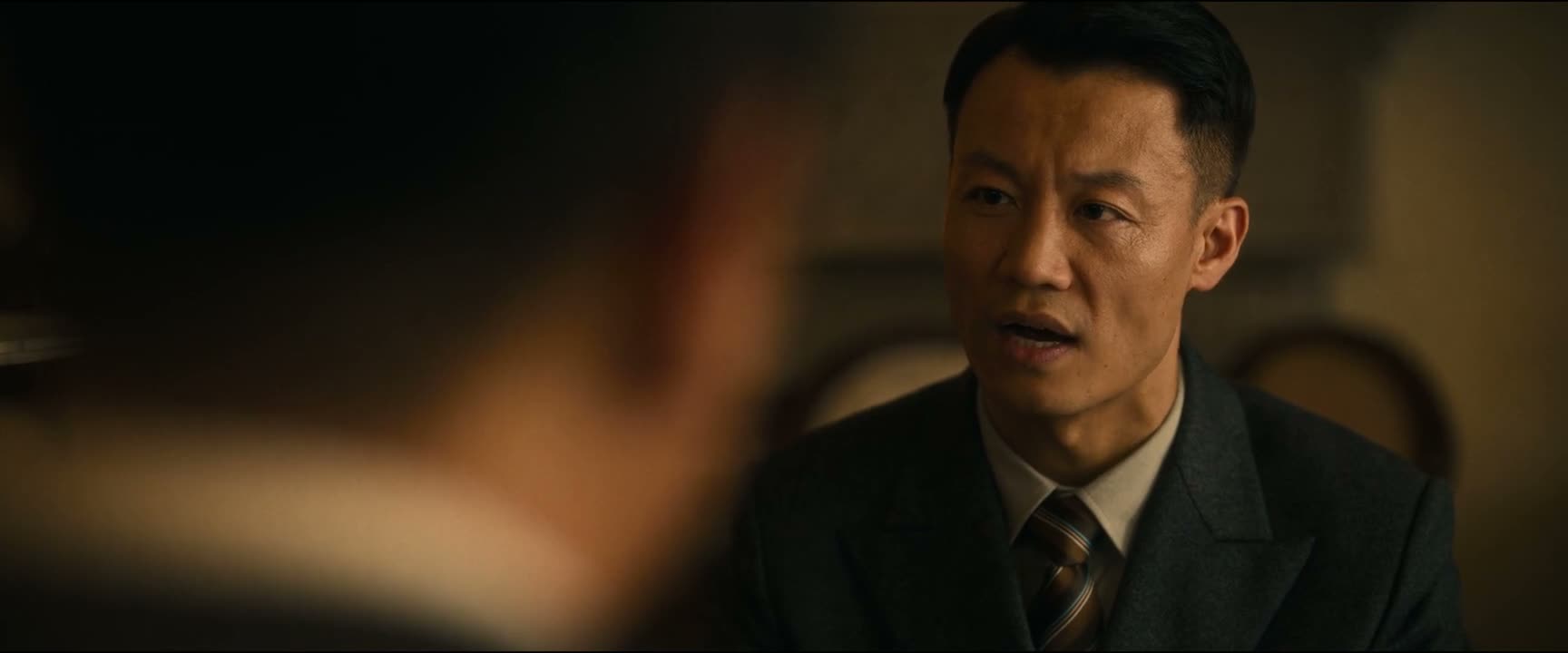
HSK 7
0:03s
yī wèi shào jiàng xíng huì dǎ tōng guān jiéat the Japanese Army headquarters to clear the way,
HSK 4
0:03s

HSK 5
0:03s

HSK 5
0:03s
jī xiè chǎng yào chāi de huà nà nín zěn me bàn neIf the machinery factory is dismantled, what will you do?
HSK 1
0:03s

HSK 3
0:03s
HSK 7
0:03s
HSK 4
0:03s
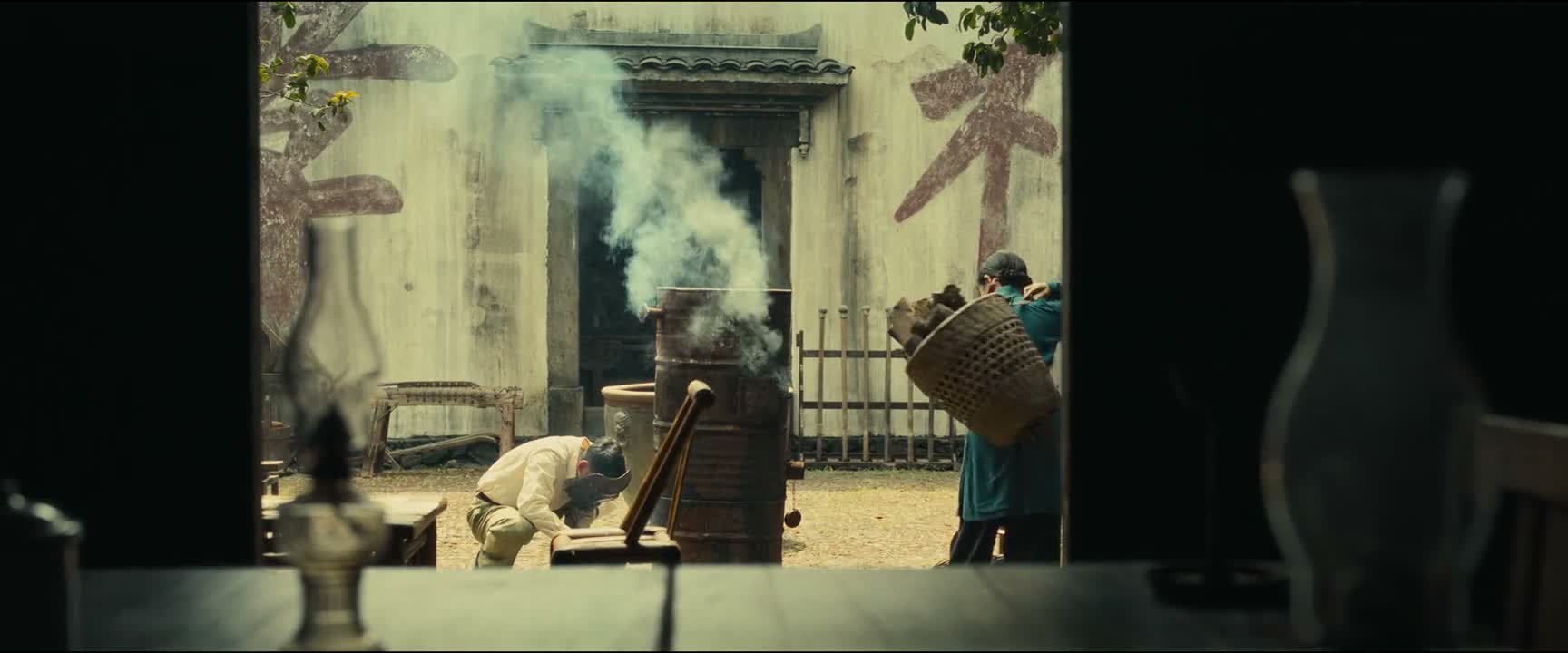
zhè me duō fèi jiù tóng tiě néng ràng zhè pò chē pǎo qǐ lái maCan this pile of scrap metal make this broken car run?

HSK 5
0:03s
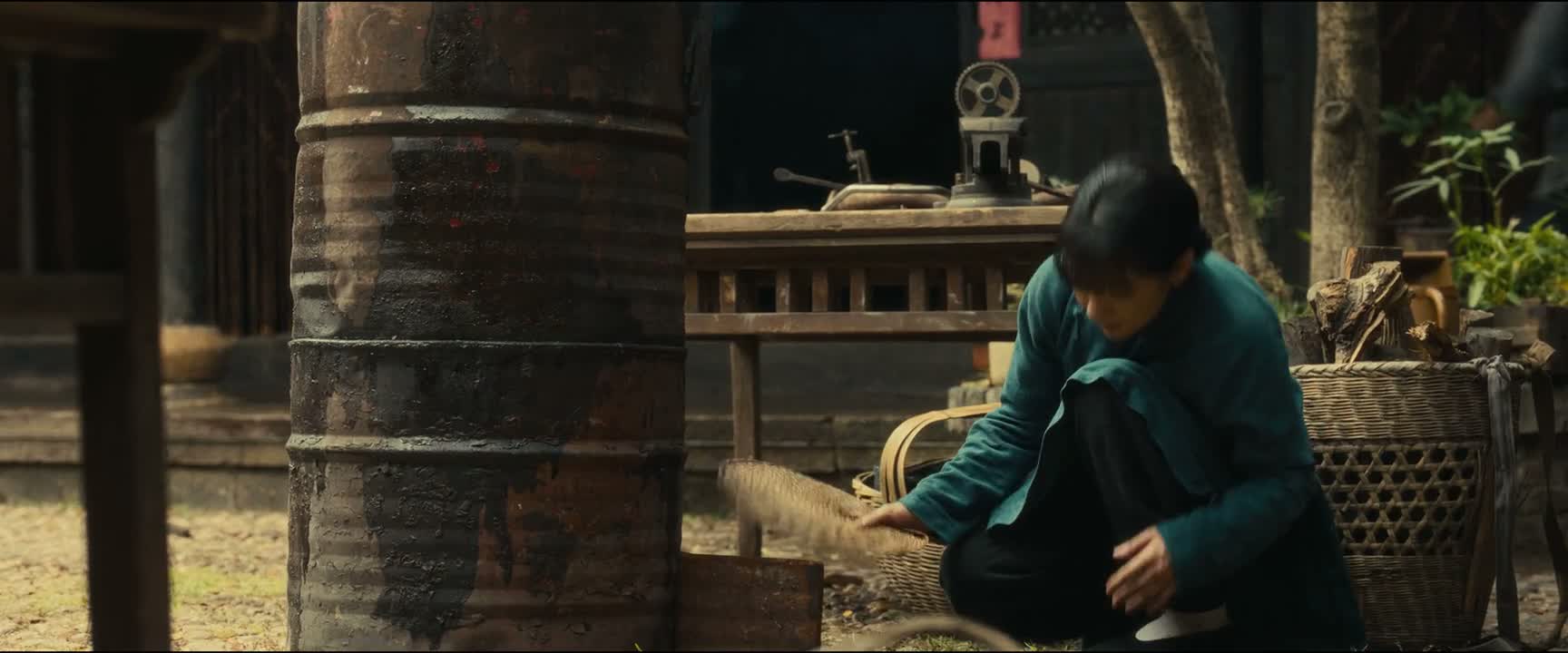
tā dāng shí jiù shuō tā zào qì chē bú shì wèi le fā shén me dà cáiHe said at the time that he didn't build cars to make a fortune,
HSK 7
0:03s
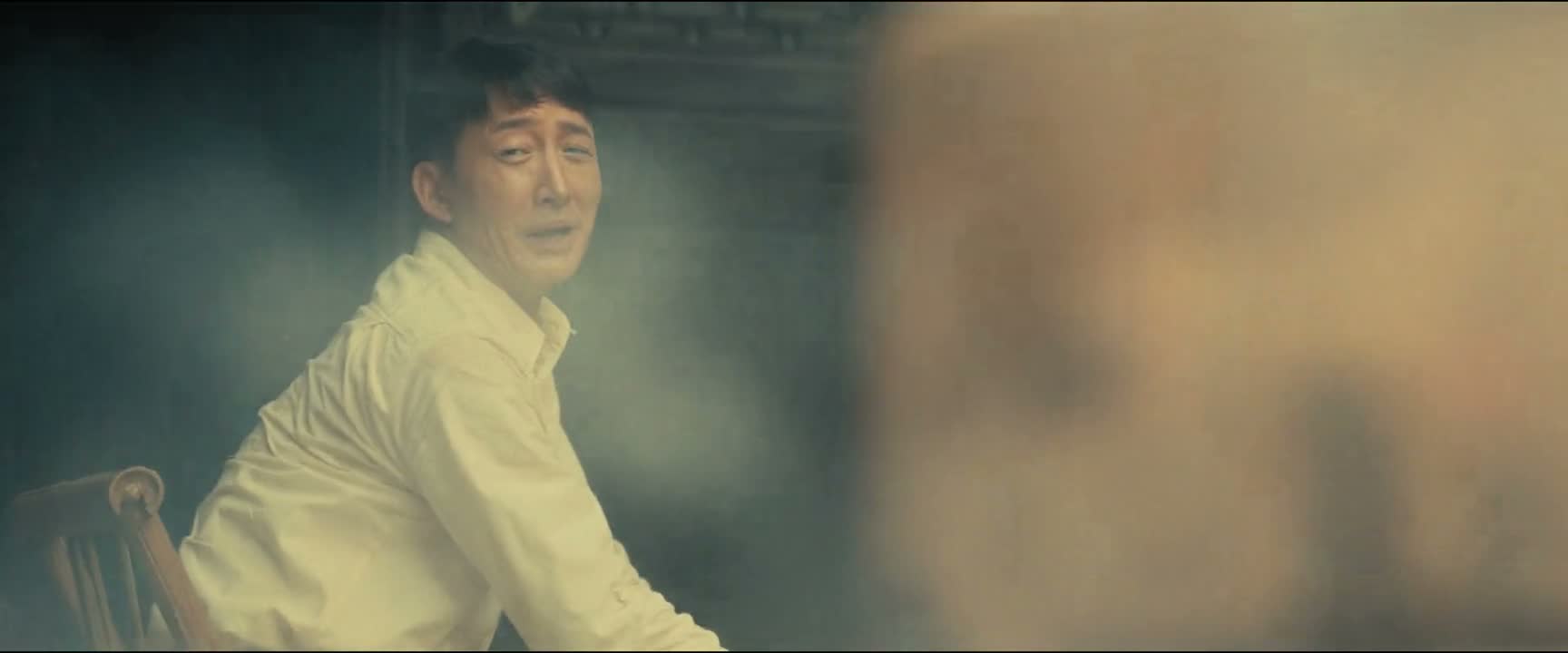
bù zhì yú yīn wèi méi yǒu rán yóu biàn chéng yī duī pò tóng làn tiěwouldn't turn into a pile of scrap metal just because there is no fuel.
HSK 5
0:03s
HSK 7
0:03s

HSK 7
0:03s
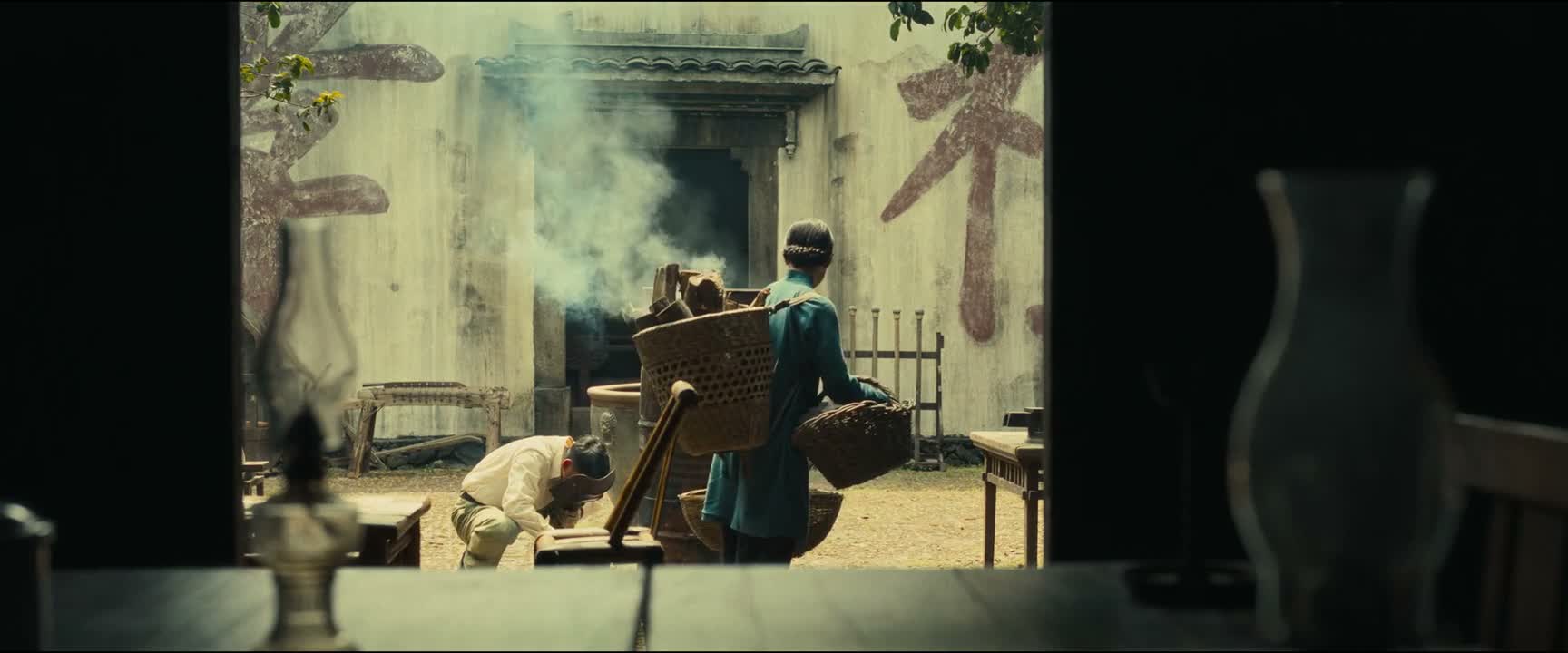
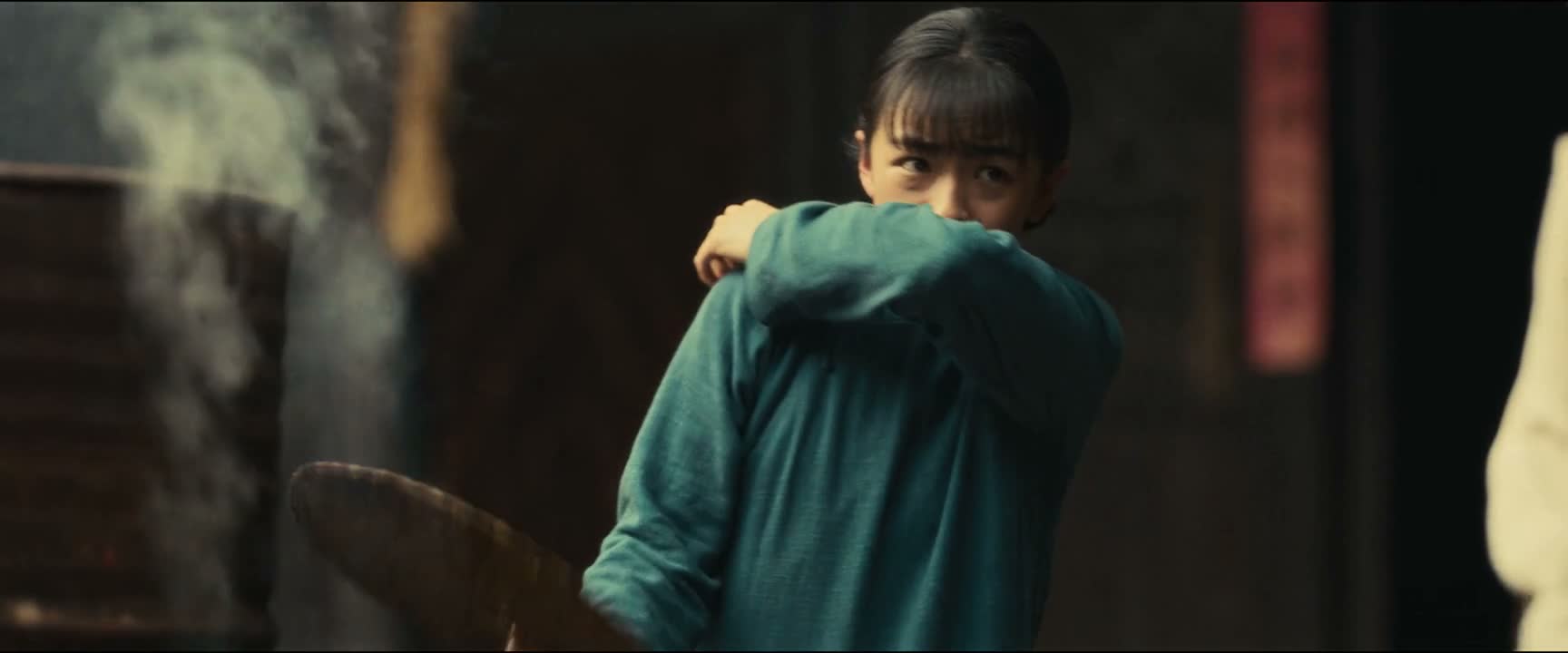
wǒ bú shì jué de zhè ge lú zi yì zhí mèn zhe zhè huǒ bù jiù mèn miè le maI just thought if the stove stays covered, wouldn't the fire go out?
HSK 4
0:03s
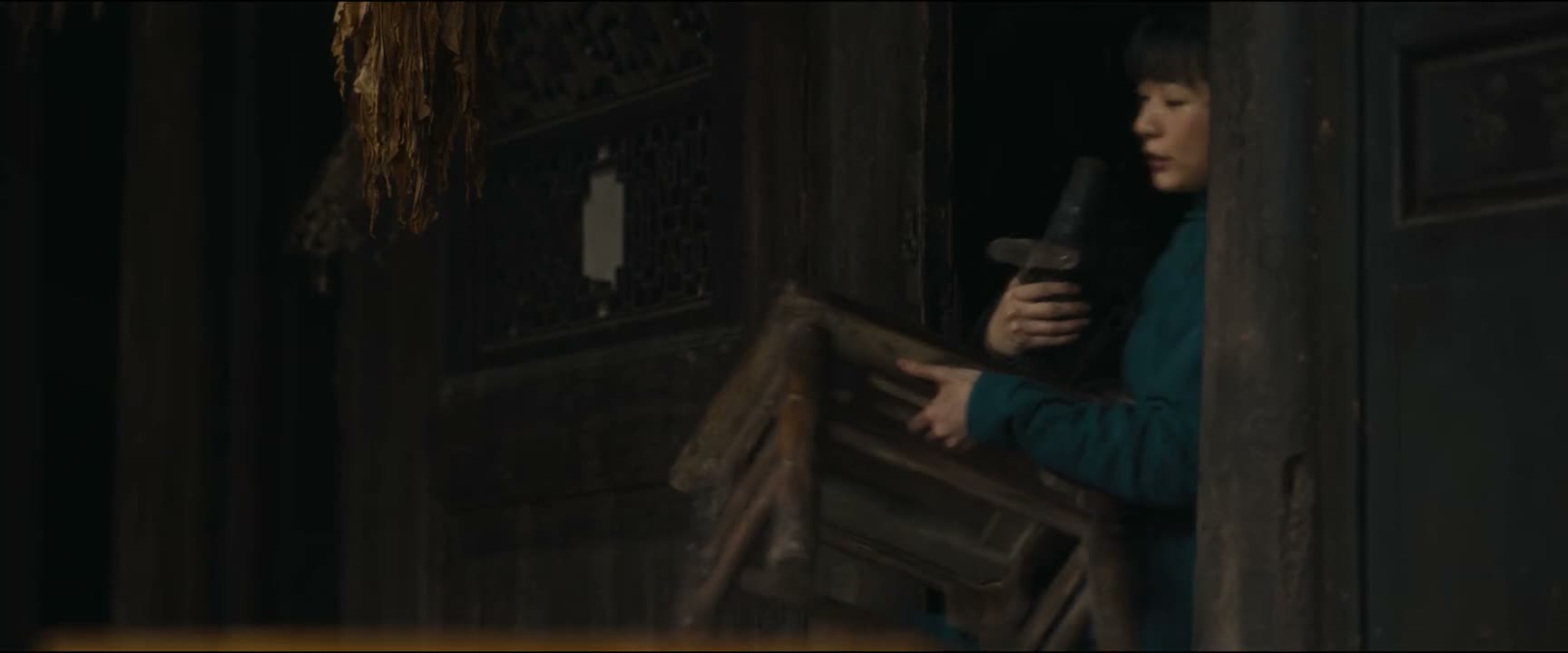
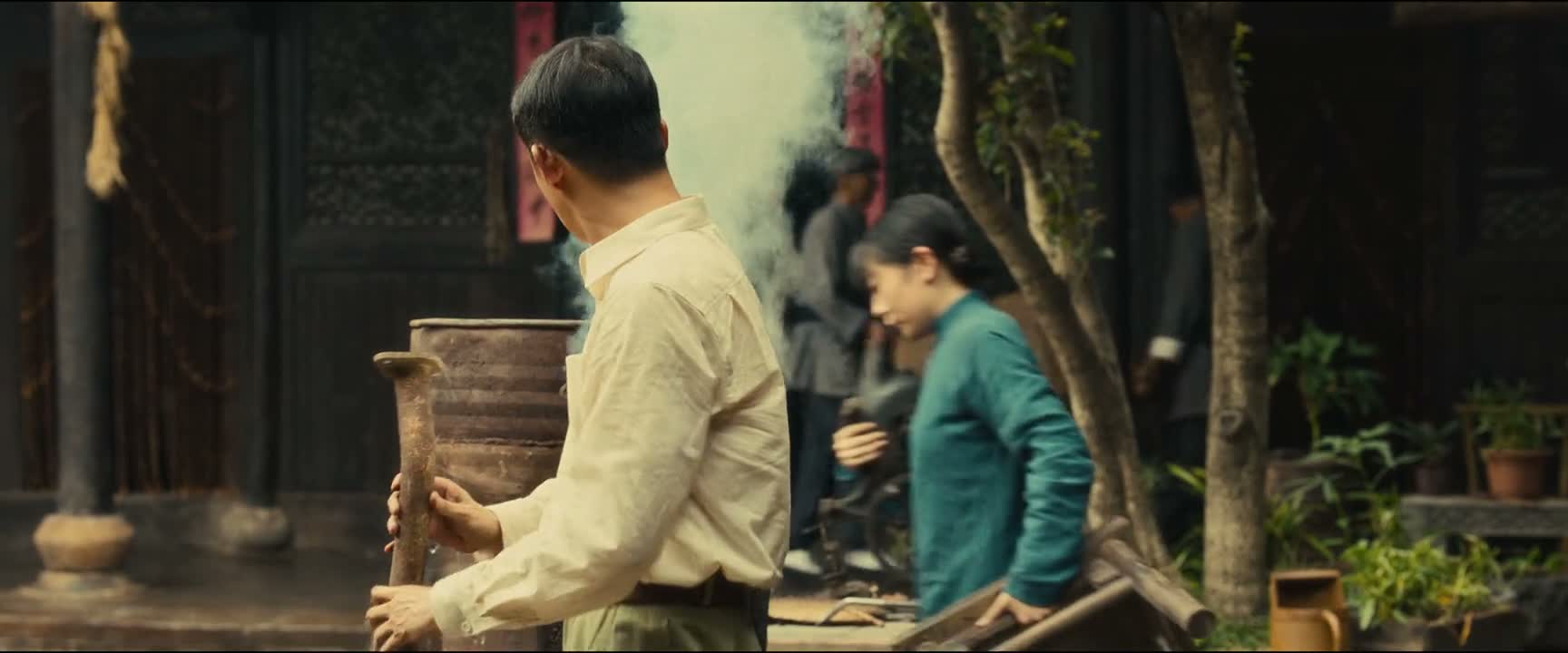
wǒ yào de jiù shì mèn shāo a nǐ huǒ nà me dà de huàSmoldering is exactly what I want. If the fire is too big,
HSK 4
0:03s
HSK 7
0:03s
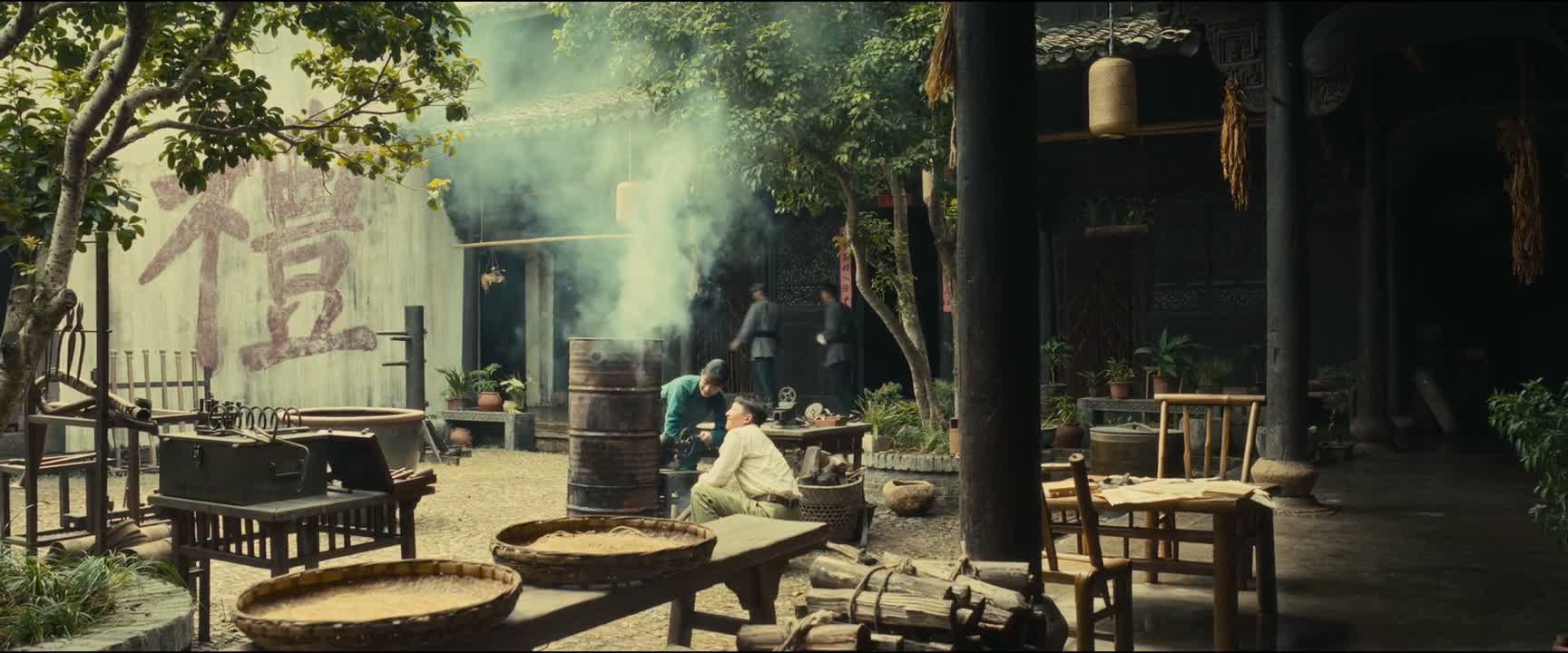
shēng lú zi zhè yī kuài nǐ kě bù rú wǒWhen it comes to lighting a stove, you can't beat me.
HSK 6
0:03s
HSK 6
0:03s
HSK 7
0:03s
yào kào de jiù shì shēn kè dì liǎo jiě mín shēngWe need a deep understanding of people's livelihoods.