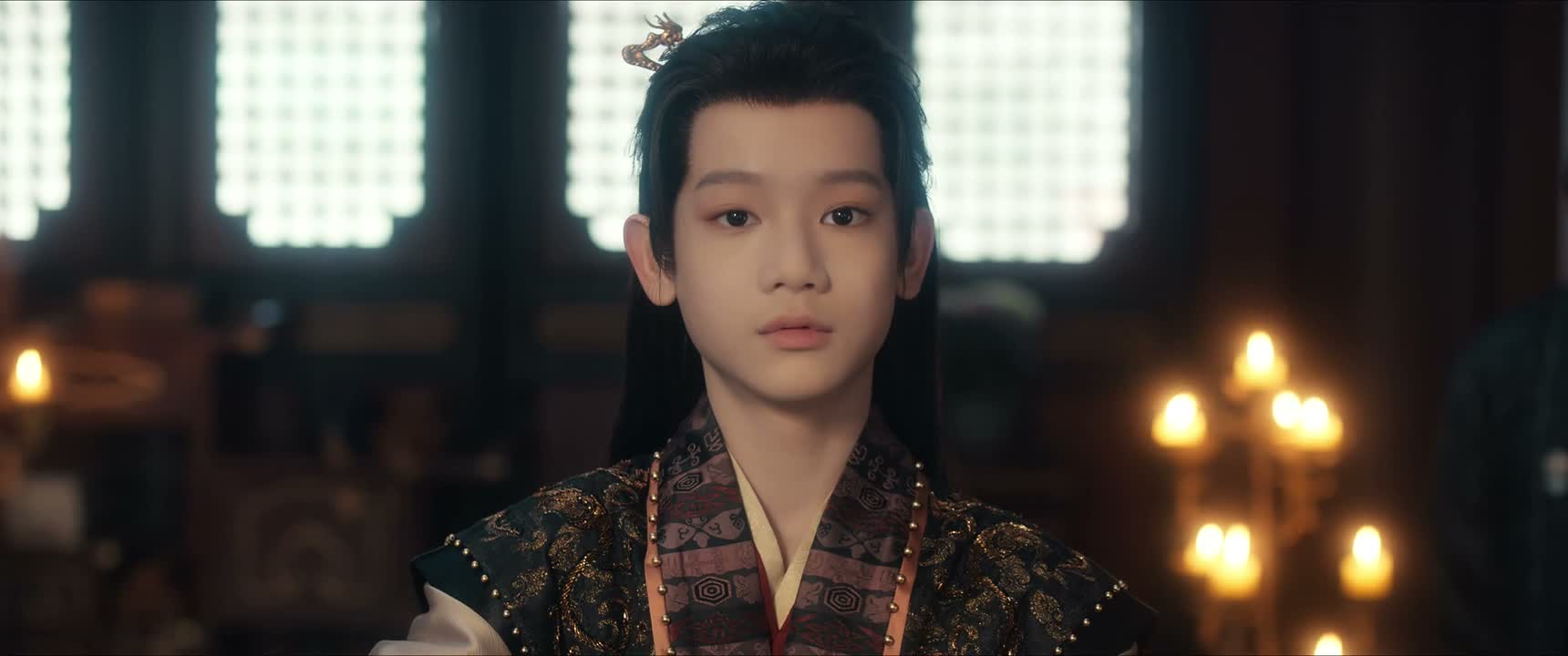
《Agent from Above》 S1·E3 (15:07)
HSK 5
bú shì tǐng xīn shǎng wǒ de ma ?
不是挺欣赏我的吗?
“you said you admired me.”
《Agent from Above》
S1·E3
TIMECODE: 15:07
·
1080P MASTER AUDIO
THE DIALOGUE REEL
[-1] PREVIOUS TURN
dāng chū nǐ men zhǎo wǒ de shí hòu
当初你们找我的时候
“But when you guys approached me,”
bú shì tǐng xīn shǎng wǒ de ma ?
CURRENT FOCUS
不是 挺欣赏 我 的吗?
“you said you admired me.”
[+1] FOLLOW-UP TURN
nǐ yǐ hòu bú yào zài …… bú yào zài lái zhǎo wǒ men le
你以后不要再…不要再来找我们了
“- Don't contact me again. - [man] Boss.”
Subtitles synced to millisecond timecode
Browse Show Clips →
Scene:
Crisis & Conflict
Function:
CHALLENGING STATEMENT
Tone:
CONFRONTATIONAL
Emotion:
FRUSTRATION
WHAT THEY REALLY MEAN (PRAGMATIC SUBTEXT)
“You were singing my praises before, so why are you turning your back on me now?”
💡 Cultural Insight: Questioning Disloyalty (过河拆桥)
Highlighting past flattery during a fallout underscores a breach of trust, implying the other side used the speaker and discarded them.
INTENT TAGS:
#rhetorical_question
#confrontation
#calling_out
#grievance
🧩
2 CHUNKS · 1 PARTICLES
LEARNING CHUNKS & PARTICLES
挺欣赏
SPOKEN CHUNK
quite appreciate / think highly of
Used to describe recognizing someone's talent, skill, or character.
不是……吗
SPOKEN CHUNK
isn't it the case that...?
A classic rhetorical pattern used to point out contradictions or challenge an opponent.
Modal Particle「吗」 (ma)
CHANGE OF STATE
Marks a rhetorical question that sharply highlights the inconsistency between past words and current actions.
🏮
2 EXPR · 16 GRAMMAR
VOCABULARY & EXPRESSIONS
CROSS-CINEMA CORPUS BOARD · PARALLEL SCENES
EXPLORE BY SEMANTIC SIMILARITY
Parallel Spoken Cinema Scenes (语义近邻切片)
《Agent from Above》 S1·E3 (15:07) · Authentic Cinema Dialogue Corpus