是...的吗
[主语/条件] + 是 + [动词/短语] + 的吗
Core sentence pattern in modern spoken Mandarin.
[Variation: 疑问反问式]
(38 clips) 00:02
 00:02
 00:02
(我实在是弄不明白) ── Previous context
“Your bookkeepers and stewards are doing just fine, right?”
 00:02
 00:02
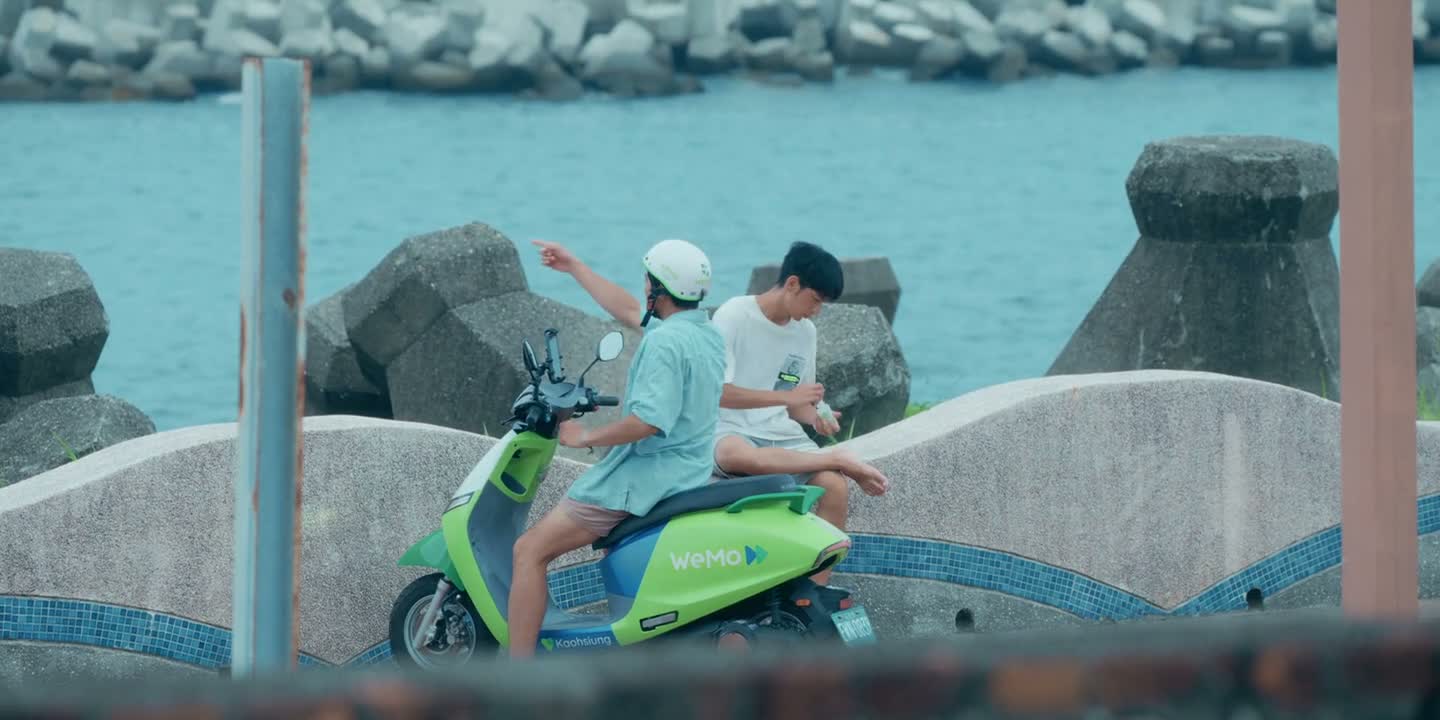 00:02
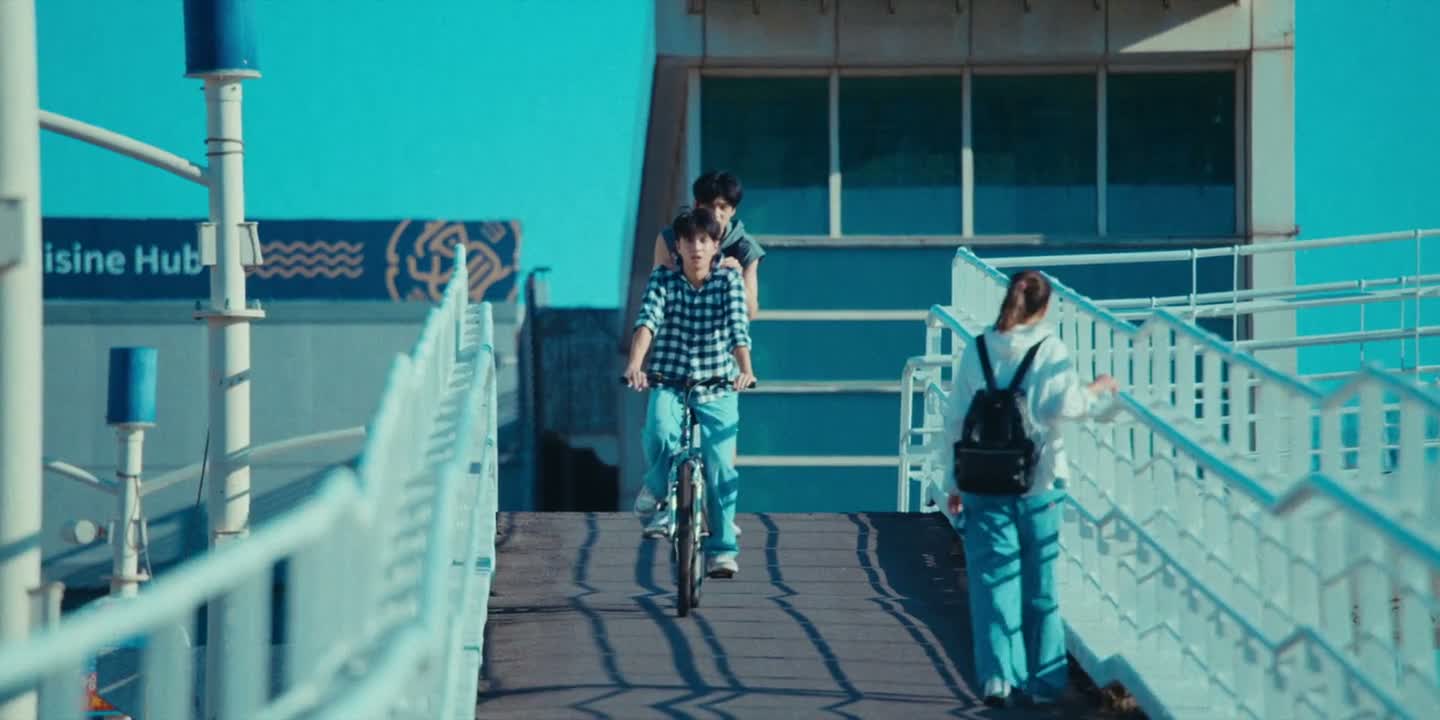 00:02
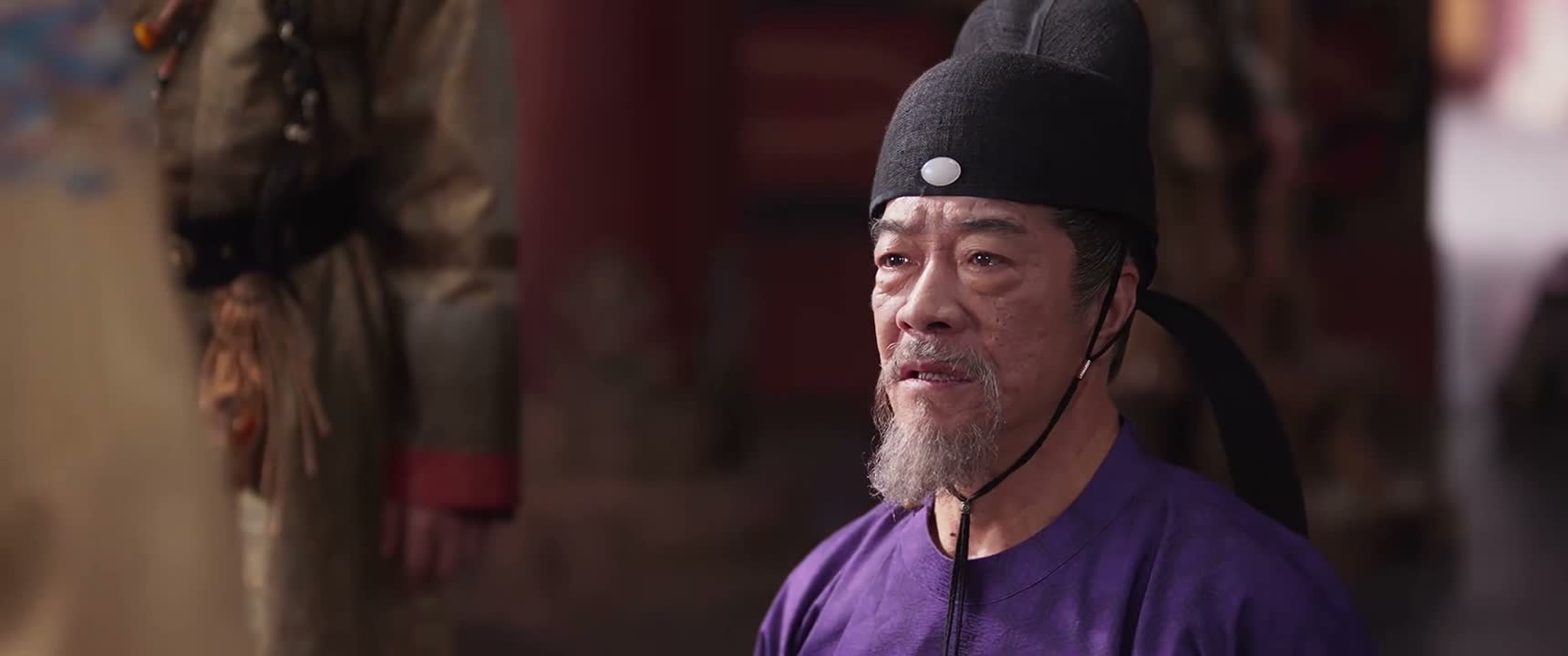 00:02
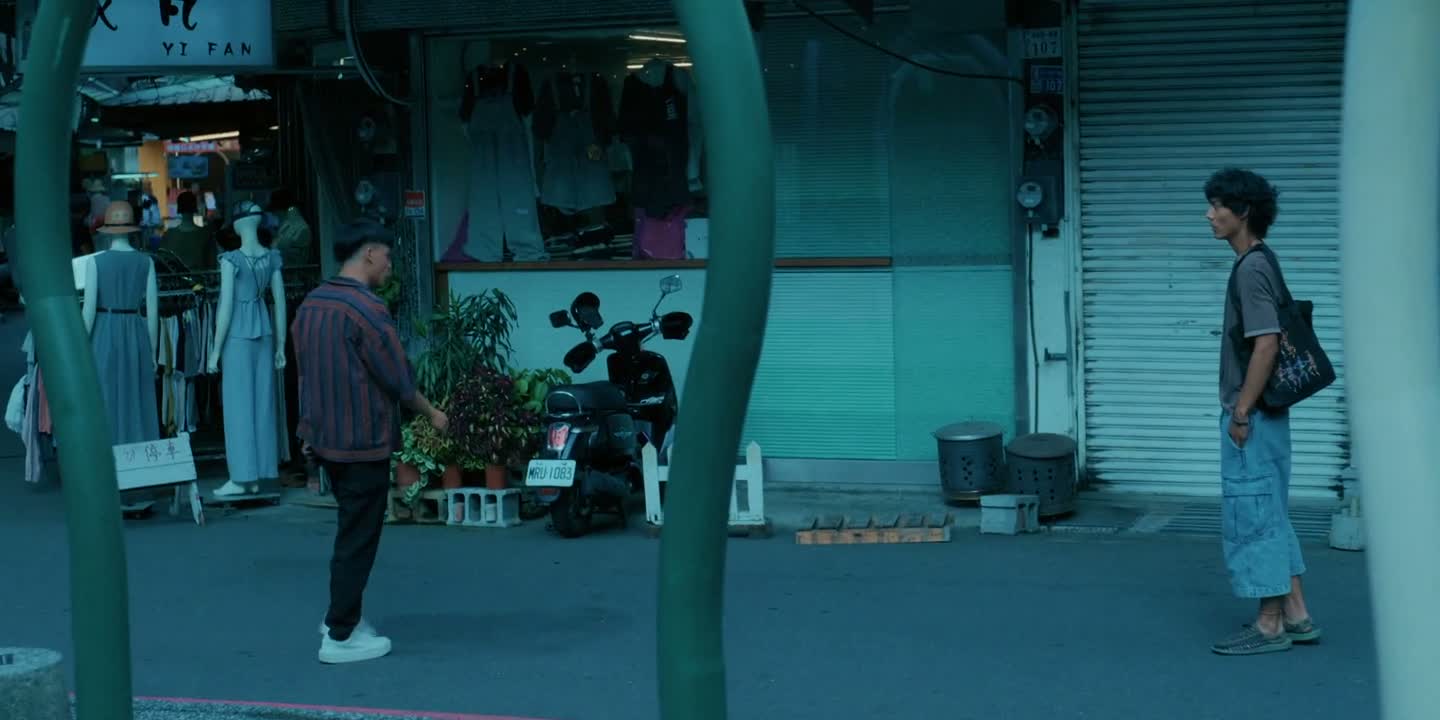 00:02
 00:03
 00:02
(吓我一跳) ── Previous context
“You scared me. Is that any way to greet someone, Yonghui?”
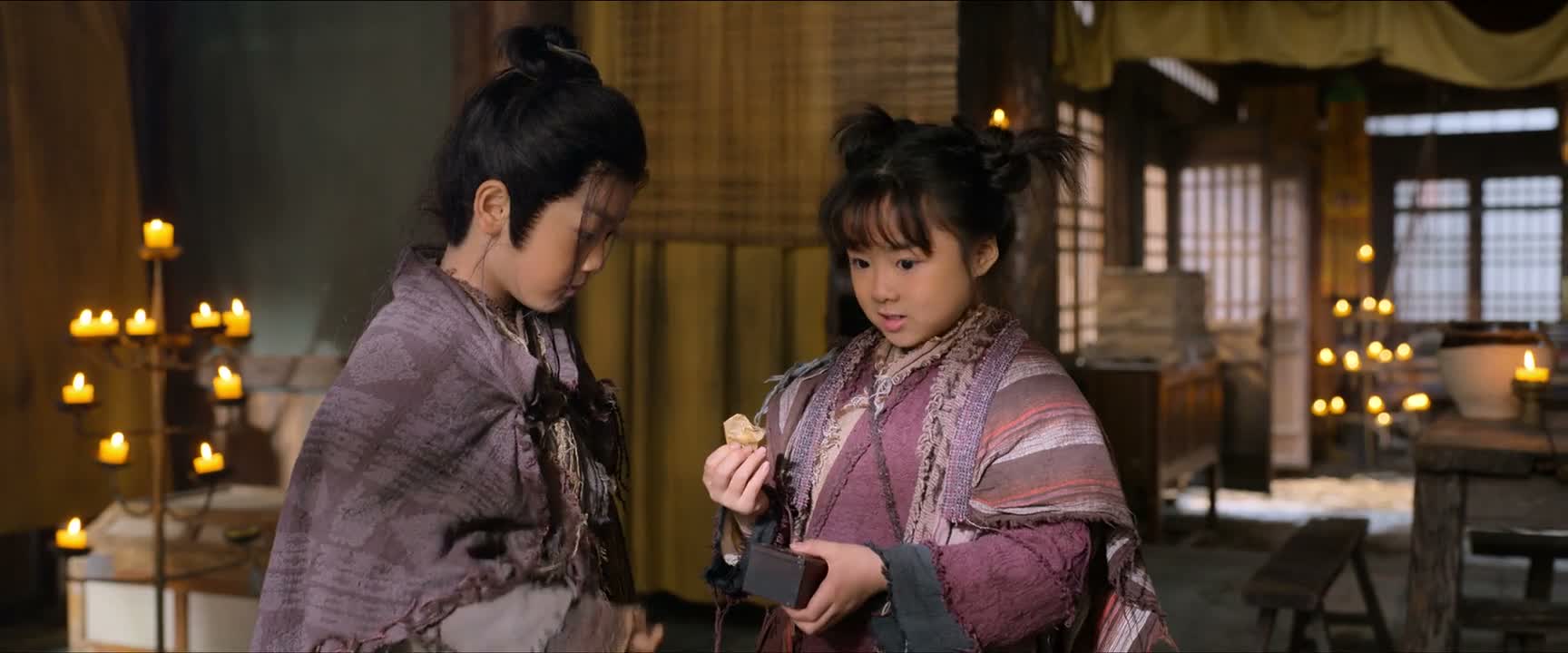 00:02
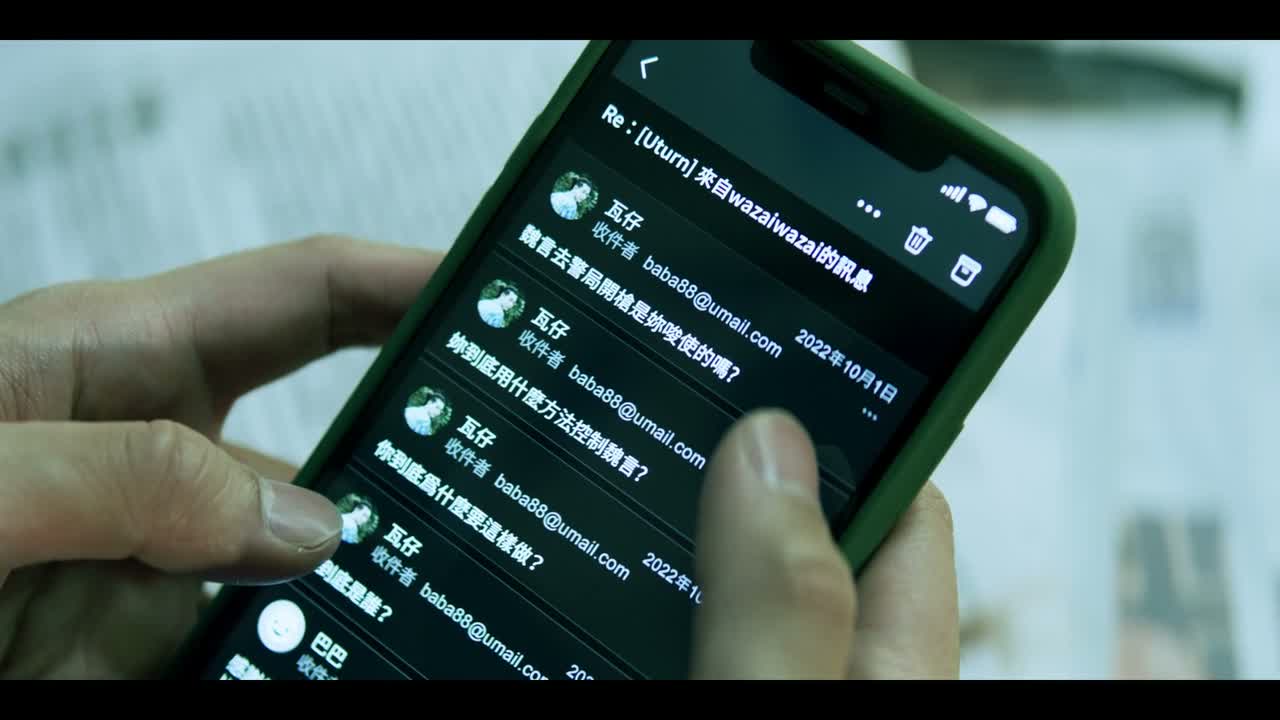 00:03
(哎 真的) ── Previous context
“"Did you have anything to do with Wei Yen's death?"”
 00:02
 00:02
 00:02
 00:02
 00:02
 00:02
 00:02
 00:02
 00:02
 00:02
(你看我们是刚来) ── Previous context
“aren't there a few newcomers on the other side as well?”
 00:02
 00:03
 00:02
 00:02
 00:02
 00:02
 00:02
 00:02
 00:02
 00:03
 00:02
 00:02
(借我嘛 我下礼拜就还你) ── Previous context
“Aren't you in the art class? You can draw it yourself, right?”
 00:02
 00:02
 00:02
[Variation: 否定劝阻式]
(2 clips) 00:02
 00:02
📐 不用
→Nuance: 同向近义词根配对: [招呼 ↔ 打招呼]
📐 不会是...吧
→Nuance: 质问对方是否故意可替换
📐 万一...怎么办
→Nuance: 同向近义词根配对: [为什么 ↔ 怎么]
📐 不是...吗
→Nuance: 质问警方职责,用词更书面成语化
📐 不是...吗
→Nuance: 仅繁简字形差异语义完全一致
📐 连...都没
→Nuance: 同向近义词根配对: [招呼 ↔ 打招呼]
📐 不是...一起去的吗
→Nuance: 同向近义词根配对: [我们 ↔ 咱们]
📐 不会...吧
→Nuance: 质问对方是否故意可替换