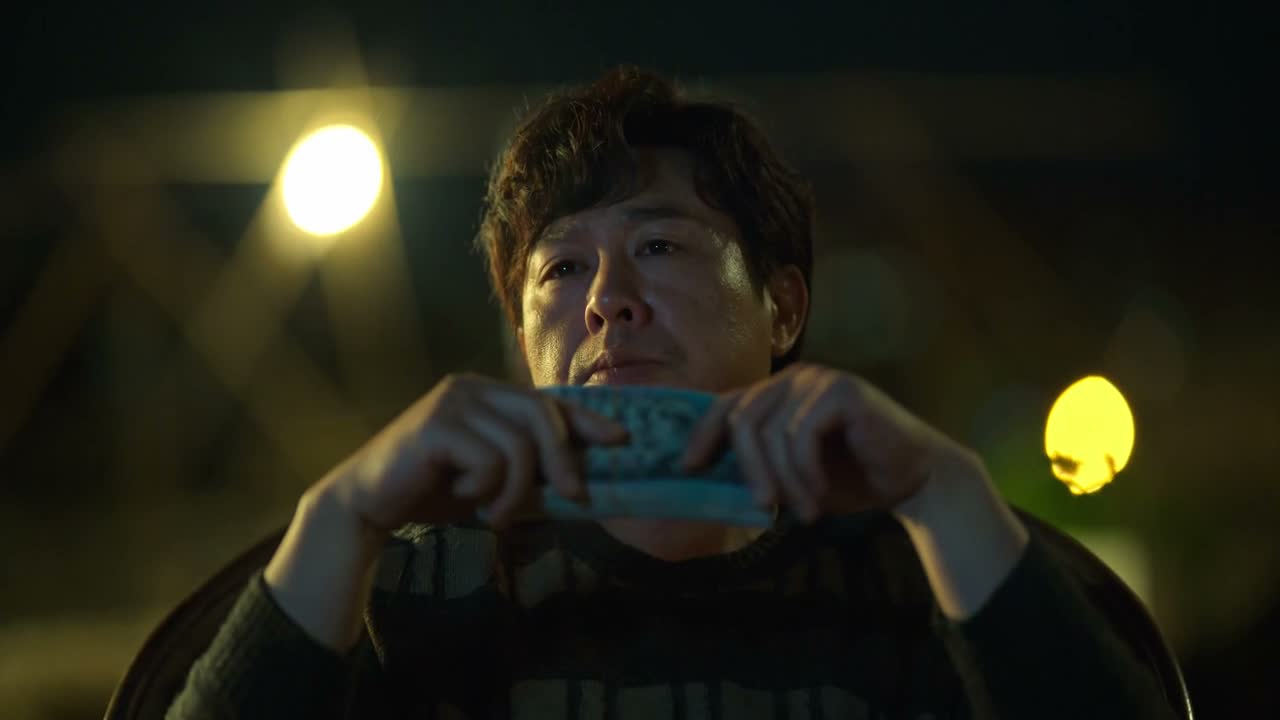
我们不是一起上来的吗
“Didn't we come up here together?”
THE DIALOGUE REEL
别无所求
“Nothing more.”
我们 不是 一起上 来 的吗
“Didn't we come up here together?”
互相帮助是应该的
“It's only natural that we help each other.”
“We rose through the ranks together, so we are in this as allies.”
In Chinese interpersonal and workplace culture, 'yi qi shang lai' (came up together) often refers to an alliance formed through being schoolmates, from the same cohort, or promoted together. Emphasizing shared experiences downplays utilitarian motives and reflects a culture of mutual support and solidarity.
LEARNING CHUNKS & PARTICLES
isn't it...?; used in a rhetorical question to confirm a fact or remind the listener
A high-frequency rhetorical pattern used to evoke consensus or shared memories, reinforcing an affirmative tone.
to be promoted together, rise to current positions together, or arrive somewhere together
In workplace or social contexts, it often refers to rising through the ranks or struggling together, emphasizing alliance and solidarity.
Used at the end of a sentence to form a rhetorical question, reinforcing consensus and prompting the listener to acknowledge their shared alliance.