他不是被淹死的吗
“Wasn't he supposed to have drowned?”
THE DIALOGUE REEL
你在胡说什么
“- What nonsense are you talking about? - He was burned to death!”
他 不是 被 淹死 的吗
“Wasn't he supposed to have drowned?”
他是被烧死的
“He was burned to death!”
“Wait, we all thought he drowned—how could it possibly be anything else?”
In Chinese discourse, framing a premise with '不是……吗' conveys strong surprise when new information directly overturns a previously accepted consensus.
LEARNING CHUNKS & PARTICLES
to drown / to die from drowning
A resultative complement combining '淹' (submerge) with '死' (die).
isn't it the case that... / didn't...?
A rhetorical question pattern used to prompt confirmation or express doubt against a surprising new statement.
Closes a rhetorical question, highlighting the speaker's confusion and seeking clarification.
VOCABULARY & EXPRESSIONS
Parallel Spoken Cinema Scenes (语义近邻切片)
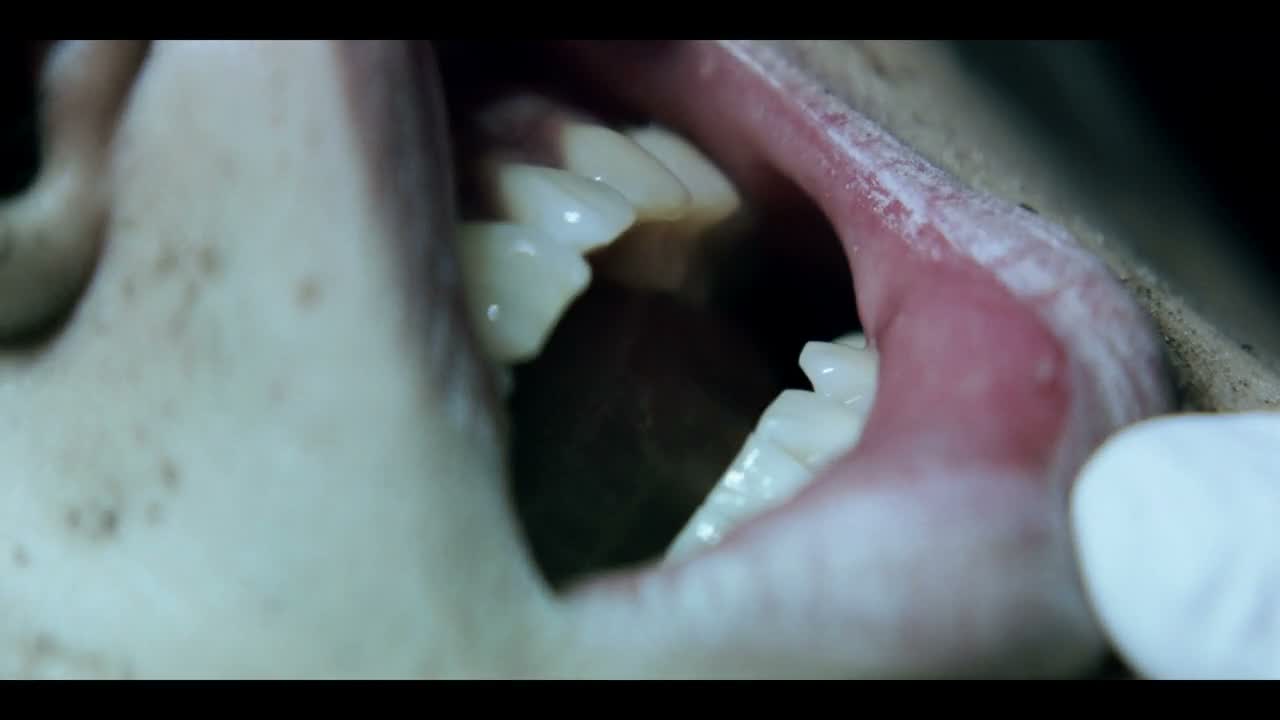
“The inside of his mouth is cleaner than the outside, so he didn't drown in the river.”
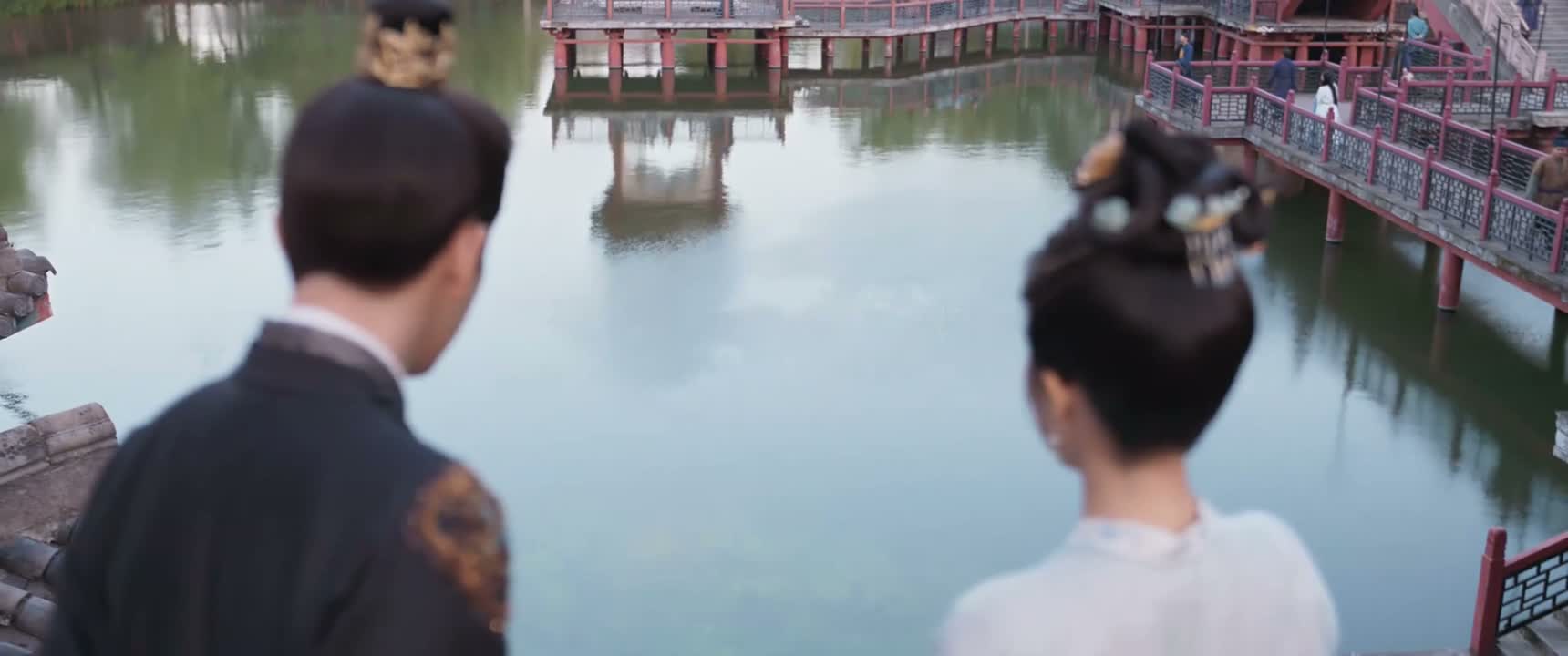
“If the victim was alive before drowning,”
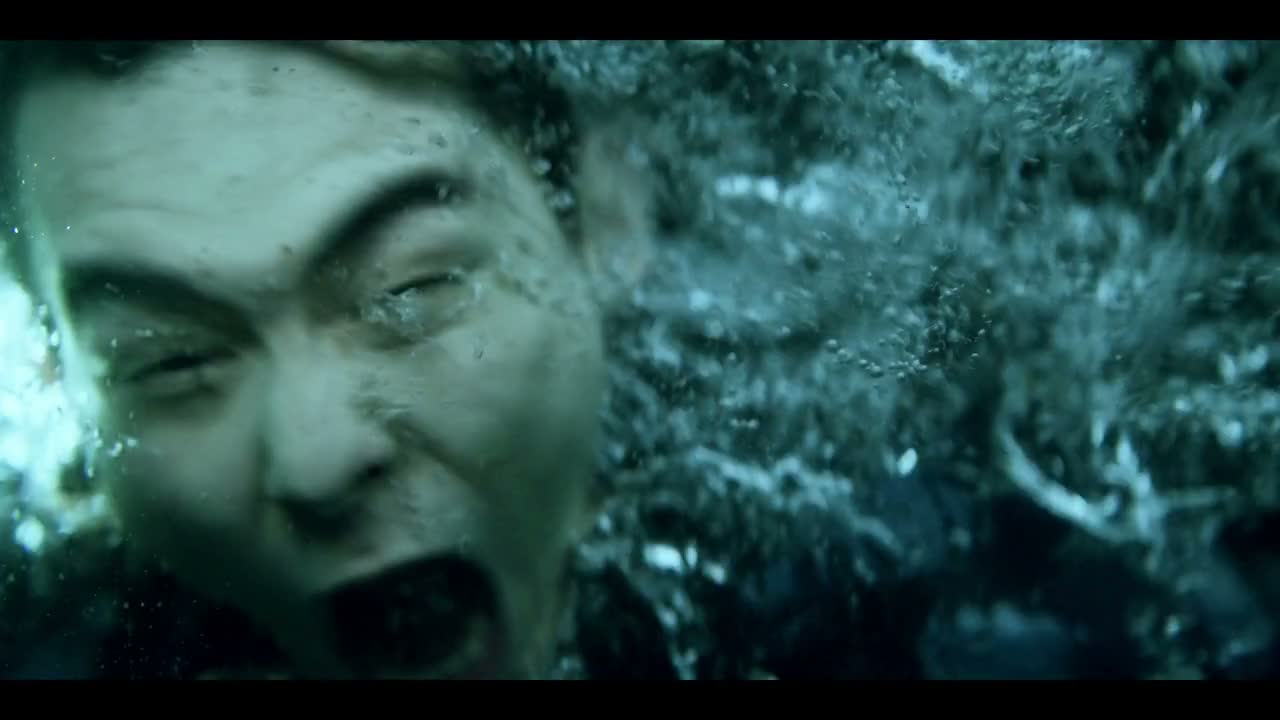
“So it's likely that he could've drowned elsewhere.”

“What's happening? It's flooded?”
“One drowned.”

“Can't it just be an accident? Anyway,”