How to say "往往是最长久 最稳固的" (wǎng wǎng shì zuì cháng jiǔ zuì wěn gù de) in Chinese dialogue
往往是最长久 最稳固的
ends up being the most long-lasting and steady.
Idioms & Colloquial Expressions
Grammar Patterns
INTERACTIVE SCRIPT TIMELINE
LINE 0133:34
yǒu shí hòu zhè zhǒng kàn shì zǒu gāng sī yī yàng de guān xì
有时候这种 看似走钢丝一样的关系
“Sometimes this kind of walking-on-a-tightrope relationship”
LINE 0233:37
PLAYING SCENEwǎng wǎng shì zuì cháng jiǔ zuì wěn gù de
往往是最长久 最稳固的
“ends up being the most long-lasting and steady.”
LINE 0333:40
dòng动
tài态
píng平
héng衡
“It's a dynamic balance.”
Show Information
More Clips From Episode
Total 177 clips (Page 3 of 9)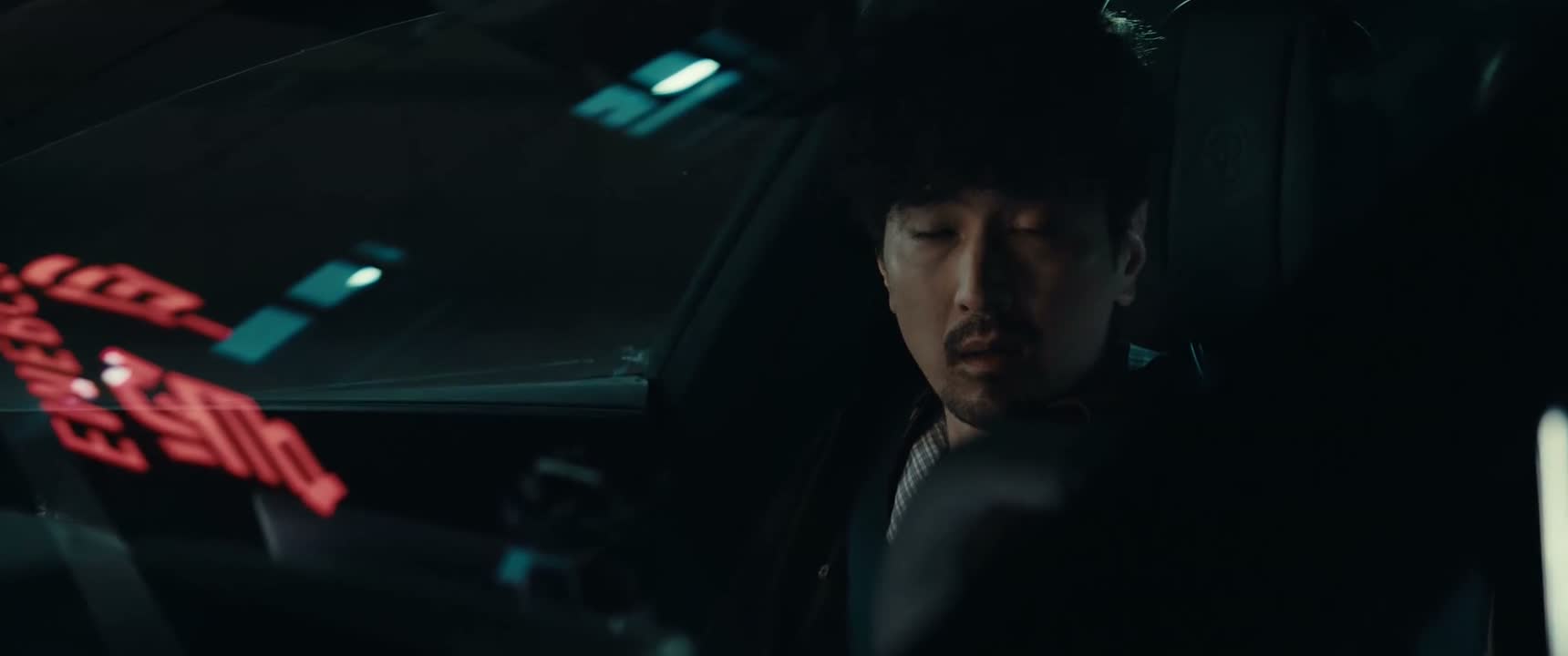
HSK 6
0:03s
lǎo jiù shì bù rèn cuò bù huǐ gǎi de lǐ yóu maDoes being old mean he doesn't have to admit his mistakes or change?
HSK 4
0:03s
zài wǒ hái méi chū shēng zhī qián tā jiù yǐ jīng shì gè hùn dàn leEven before I was born, he was already a jerk.
HSK 5
0:03s
HSK 5
0:03s
HSK 4
0:03s
nǐ yě kě néng chéng wéi bù liǎo shén me wǎng wén dà shényou wouldn't have become such a legendary online fiction writer,
HSK 5
0:03s
nǐ yě zhuàn bù liǎo nà me duō qián shì bú shì nǐ zhēn jué de wǒ zài hū nà xiē maand you wouldn't have made so much money, right? Do you really think I care about that?
HSK 4
0:03s
yào shì zuó wǎn nà dùn jiǔ bǎ wǒ men liǎ dōu hē sǐ jiù hǎo leIf that drinking last night had taken us both out, that'd be nice.
HSK 7
0:03s
HSK 4
0:03s
HSK 4
0:03s
HSK 4
0:03s
kě yǐ bù yòng huó dé nà me yǎo yá qiè chǐ leWe won't have to live with gritted teeth anymore.
HSK 1
0:03s
HSK 5
0:03s
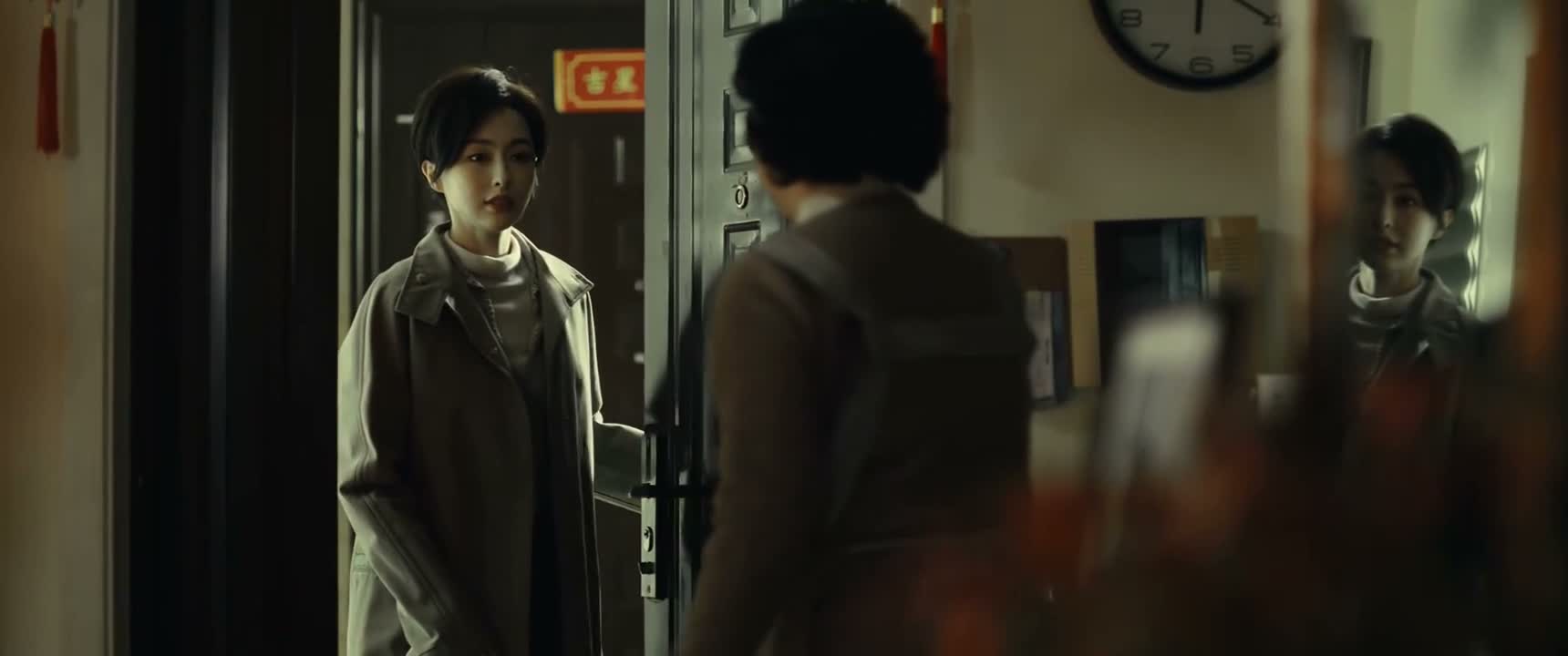
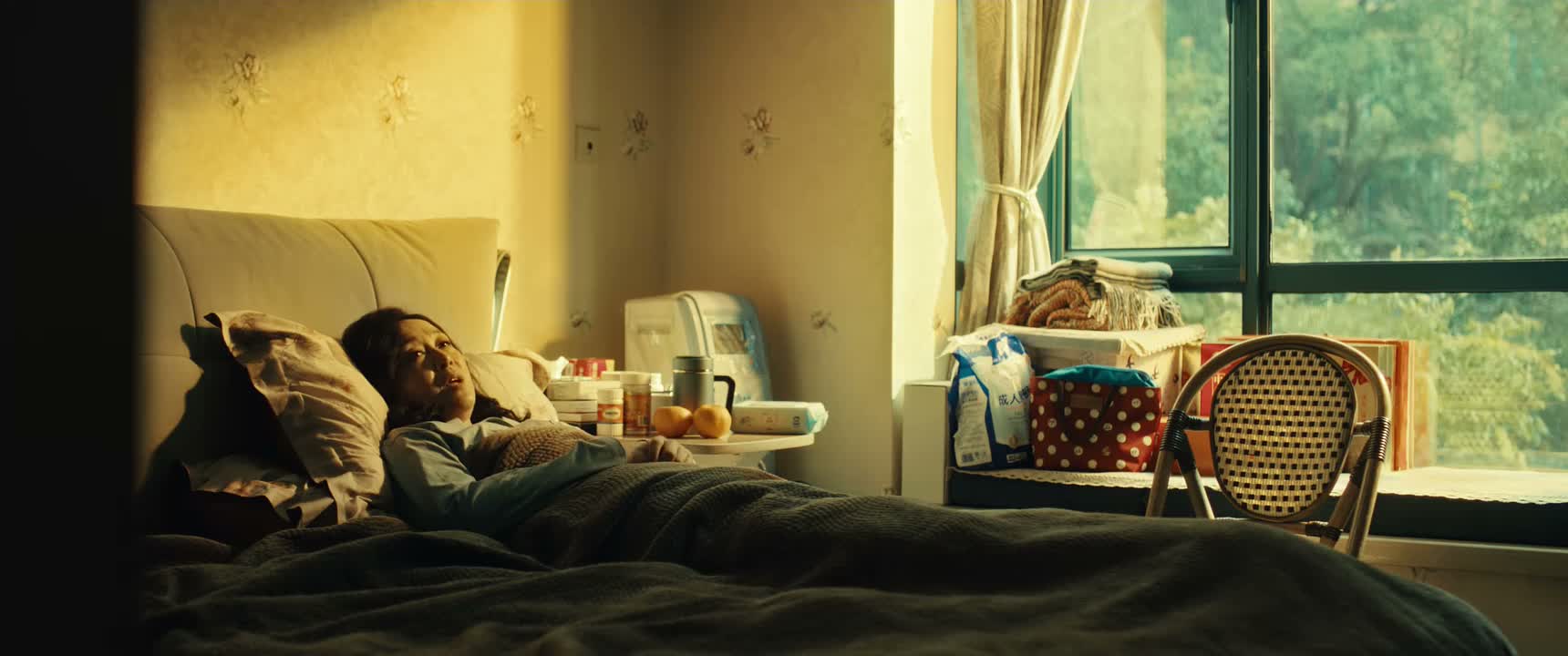
nǐ shì nǐ shì lín xiǎo jiě ba wǒ shì nǐ mā mā de hù gōngYou are... You're Miss Lin, right? I'm your mother's caregiver.
HSK 5
0:03s
HSK 2
0:03s
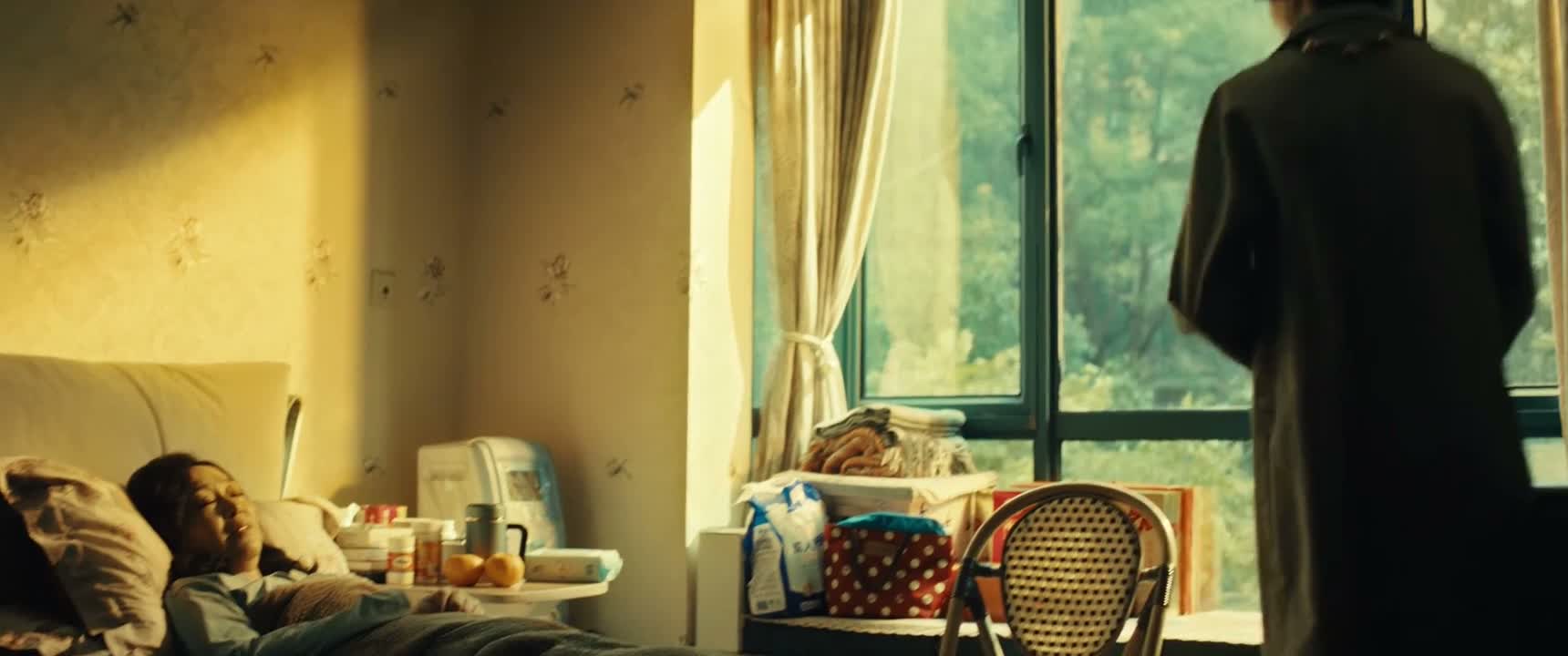
zhè me dà de shì qíng nǐ zěn me bù gào sù wǒ neSomething this serious. Why didn't you tell me?
HSK 3
0:03s
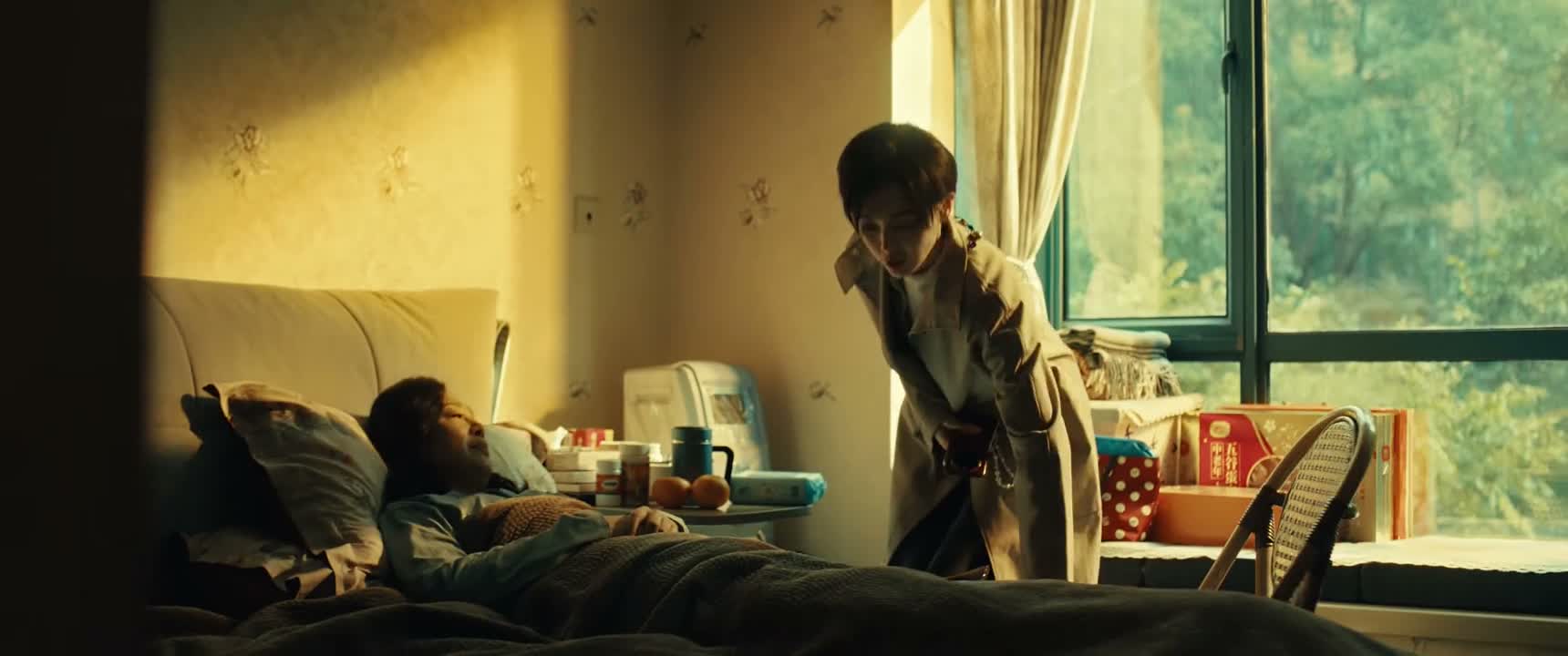
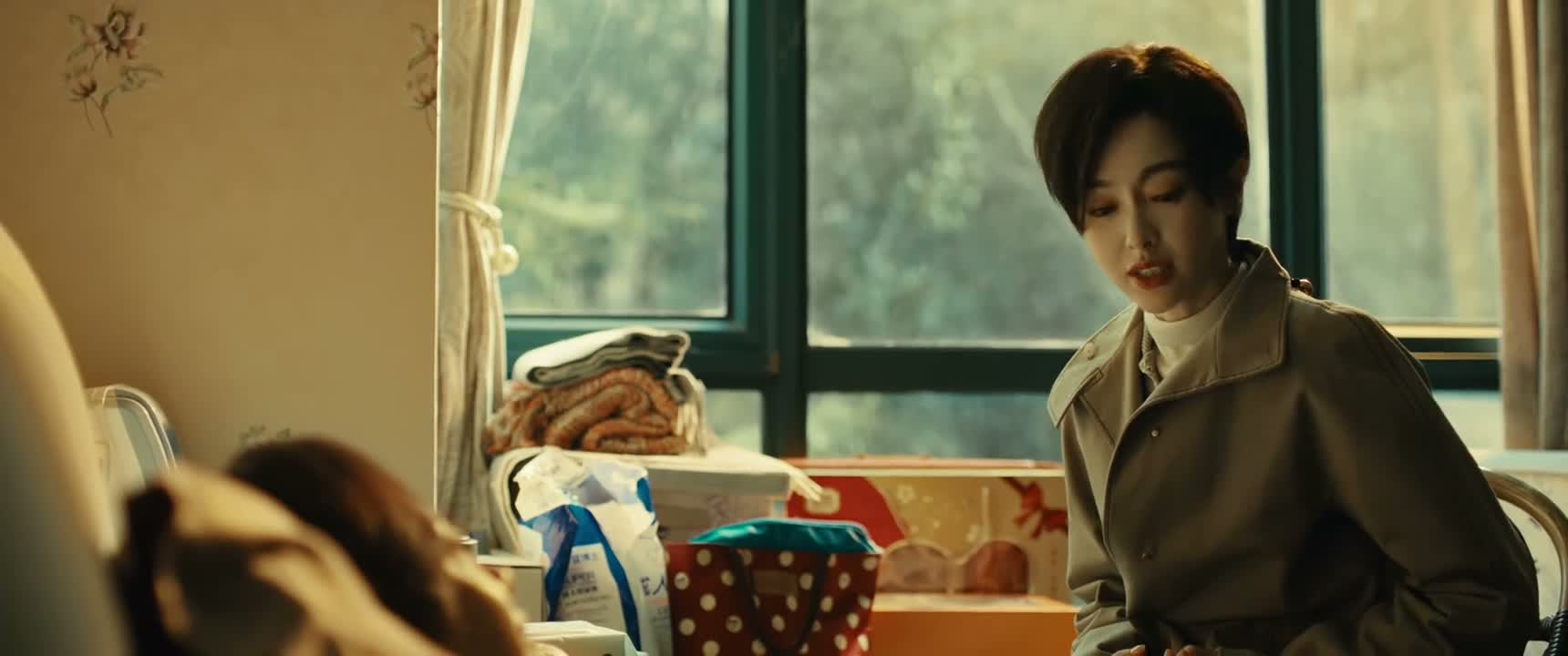
nǐ bà bù ràng wǒ gào sù nǐ shuō pà yǐng xiǎng nǐ gōng zuò leYour dad wouldn't let me tell you. He said he was afraid it would affect your work.
HSK 2
0:03s
HSK 5
0:03s
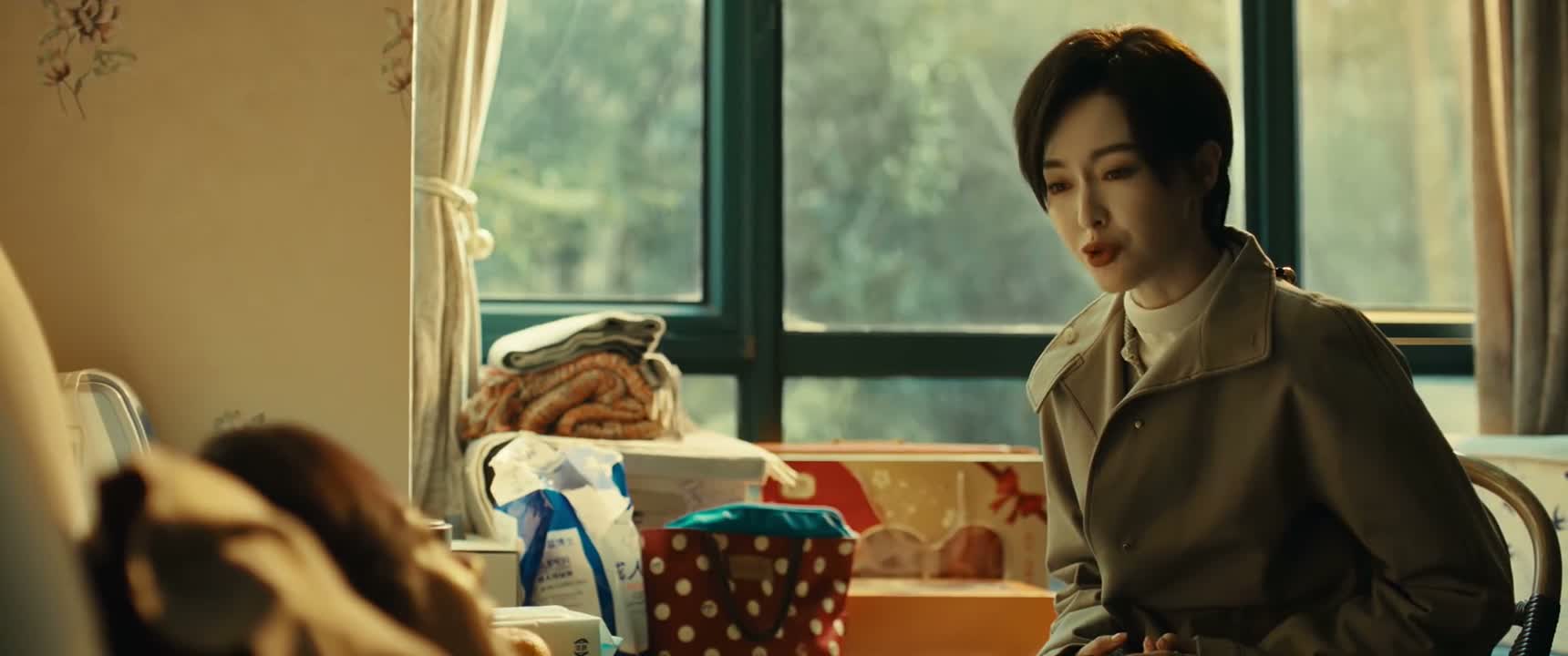
wǒ péi nǐ qù yī yuàn de shí jiān hái shì yǒu de yaI could have made time to take you to the hospital.
HSK 4
0:03s
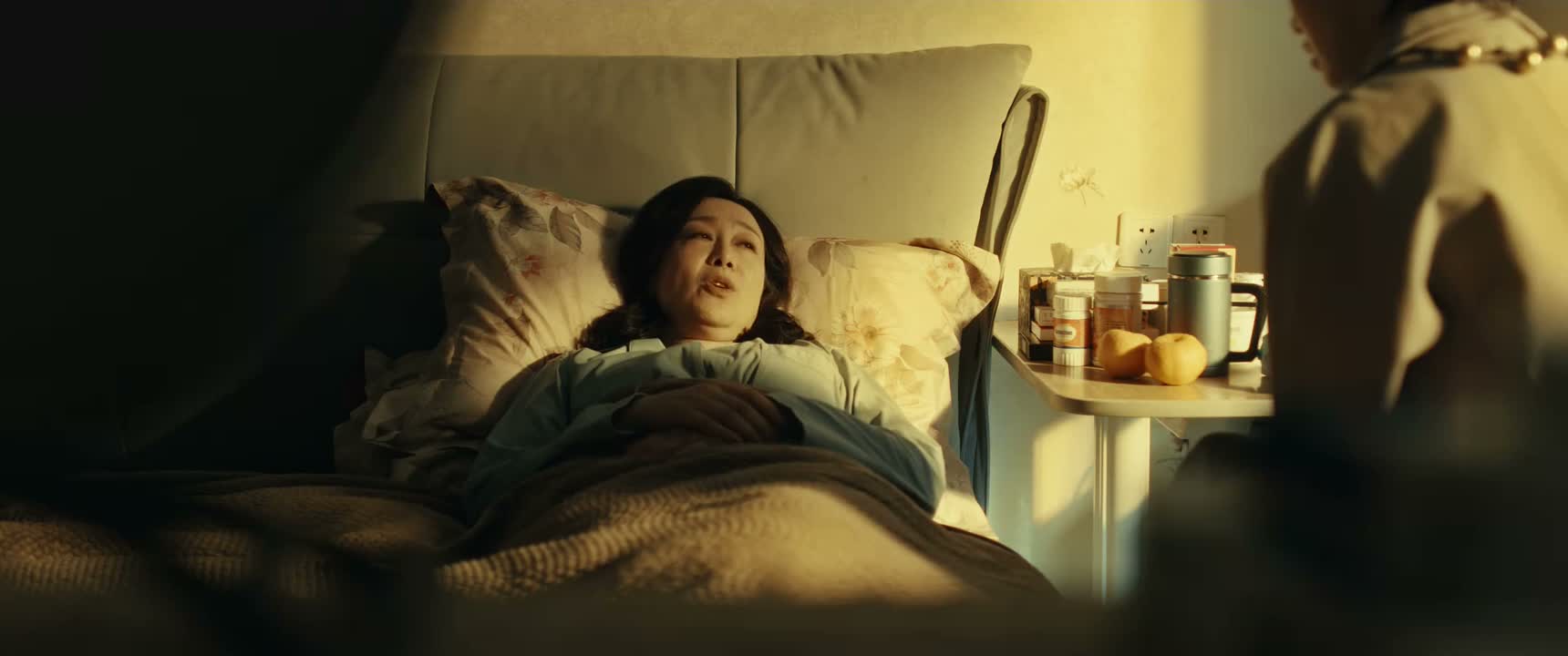
tā zhǎo le hù gōng dǒng ā yí péi wǒ qù yī yuàn deHe arranged for Ms. Dong, the caregiver, to take me.
HSK 4
0:03s
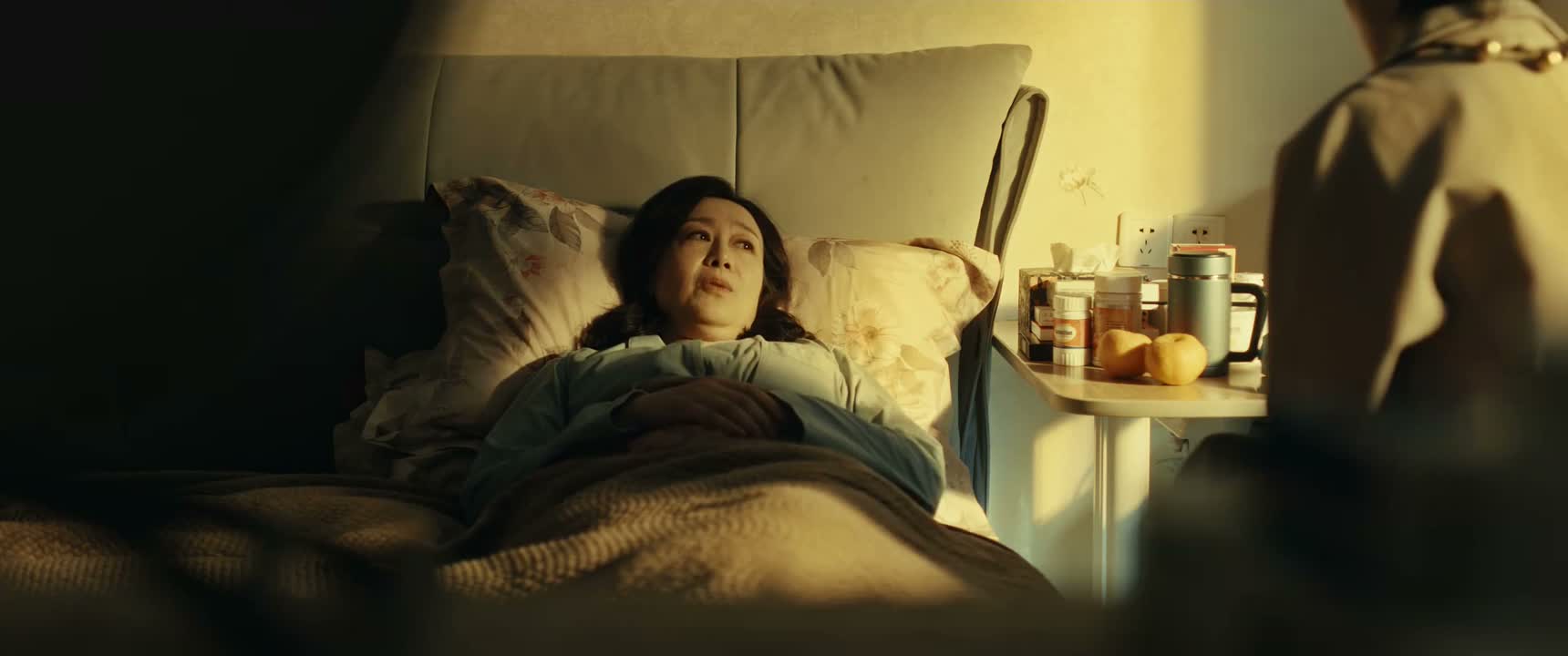
dǒng ā yí zhuān mén zuò zhè ge de duì yī yuàn hěn shú xī de nà wǒ bà rén neMs. Dong does this professionally. She's very familiar with the hospital. Where's my dad?