我最讨厌这种偷偷摸摸的人
“I hate sneaky people.”
THE DIALOGUE REEL
估计是偷摸出来约会
“He's probably sneaking out on a date.”
我 最讨厌 这种 偷偷摸摸 的人
“I hate sneaky people.”
你可真有闲心
“You really have too much free time.”
“I look down on people who sneak around like that.”
Traditional Chinese ethics values acting in an upright, open, and aboveboard manner ('guang ming lei luo'). Covert or sneaky behavior ('tou tou mo mo') carries a universally negative connotation, frequently associated with ulterior motives or moral defects.
LEARNING CHUNKS & PARTICLES
Surreptitious, sneaky, or stealthy; doing things behind people's backs.
Derogatory term commonly used as an attributive or adverbial modifier. Very frequent in spoken Chinese to call out or criticize improper behavior.
A sentence pattern expressing extreme aversion or dislike toward a certain kind of thing or behavior.
Used in daily conversation to directly express personal preferences and strong disapproval with a clear stance.
VOCABULARY & EXPRESSIONS
Parallel Spoken Cinema Scenes (语义近邻切片)

“is such backstabbing and shady schemes.”

“(The person I hate the most)”

“I hate copying scriptures.”
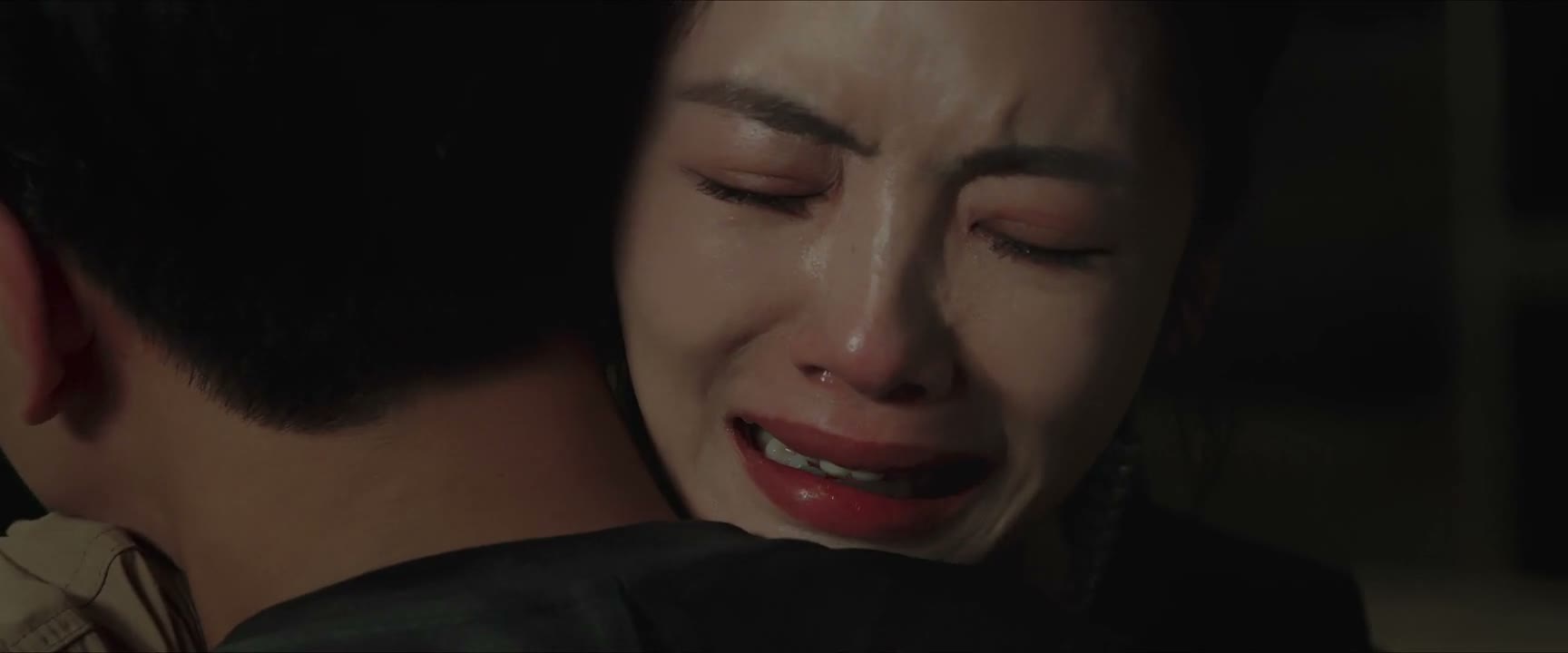
“What you hate most is being lied to.”
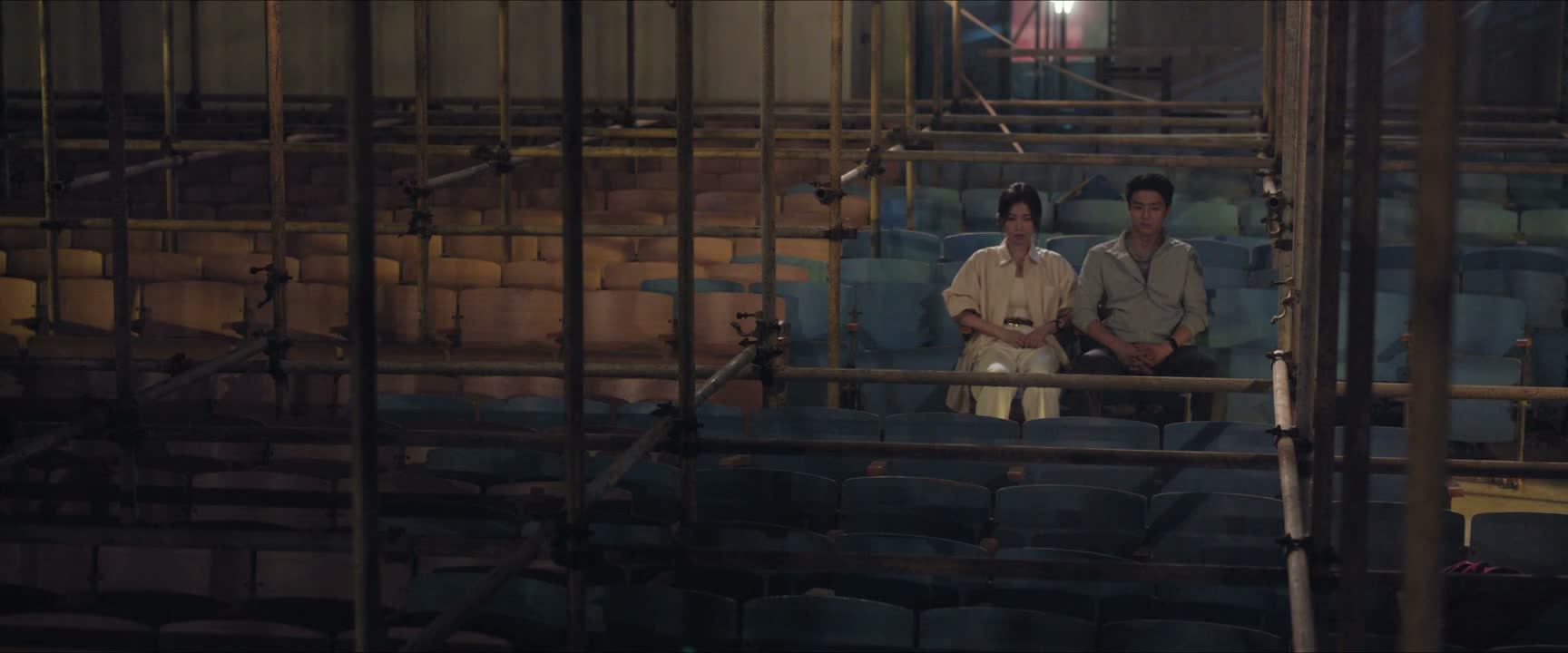
“there's nothing worse than being falsely accused—”

“and despised scheming and currying favor.”