请你原谅我
“I ask for your forgiveness.”
THE DIALOGUE REEL
你也不会遇到危险
“You wouldn't have run into danger.”
请你原谅我
“I ask for your forgiveness.”
你不用道歉
“No need to apologize.”
“I feel terribly guilty for putting you in danger, and I desperately need your forgiveness.”
In social interactions, apologizing when one's actions inadvertently endanger someone else demonstrates loyalty and care; conversely, the affected party replying that an apology is unnecessary reflects the Chinese cultural value of generosity, empathy, and refusing to blame friends.
LEARNING CHUNKS & PARTICLES
a standard expression to offer a sincere apology and ask for forgiveness
Carries a heavier and more formal tone than the common 'dui bu qi', typically used to express deep remorse for serious mistakes or consequences.
VOCABULARY & EXPRESSIONS
Parallel Spoken Cinema Scenes (语义近邻切片)

“Fengge, forgive me.”

“Please forgive me.”

“to beg for your forgiveness.”
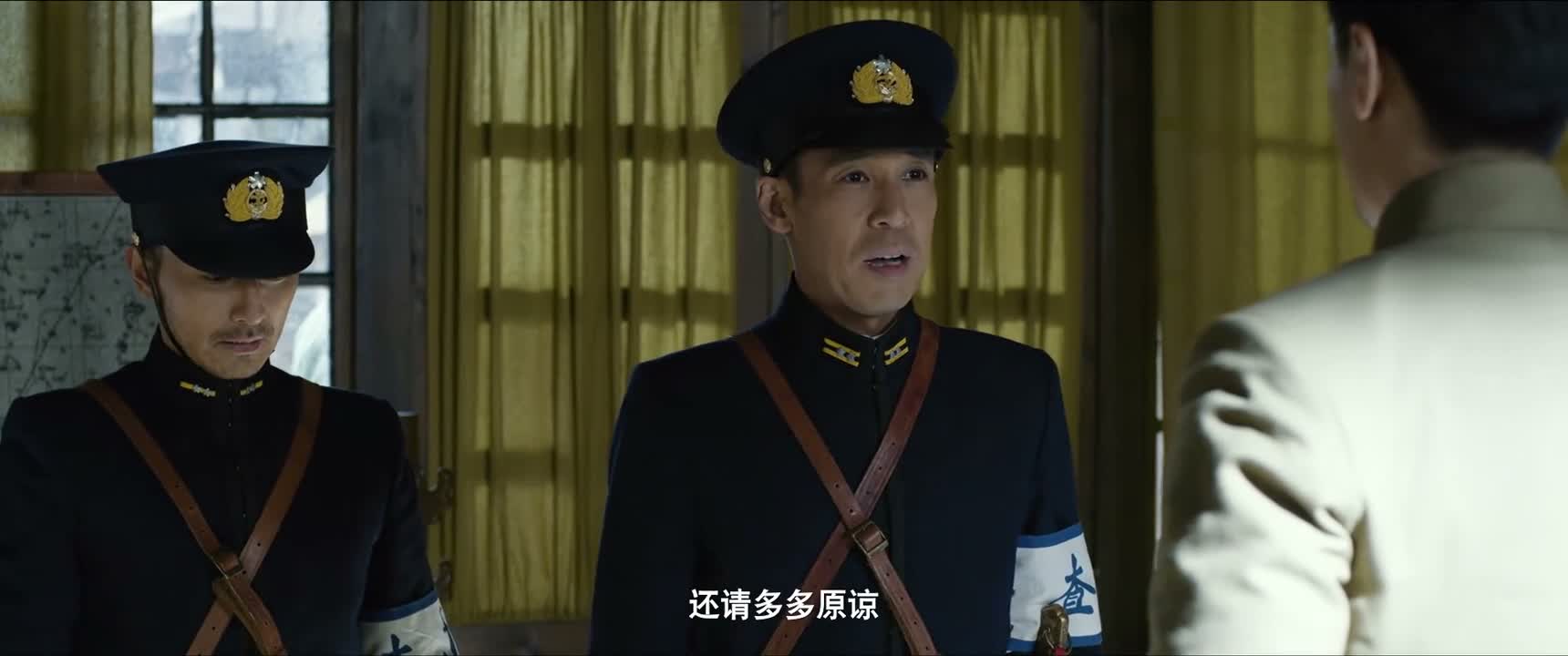
“I must ask for your forgiveness.”
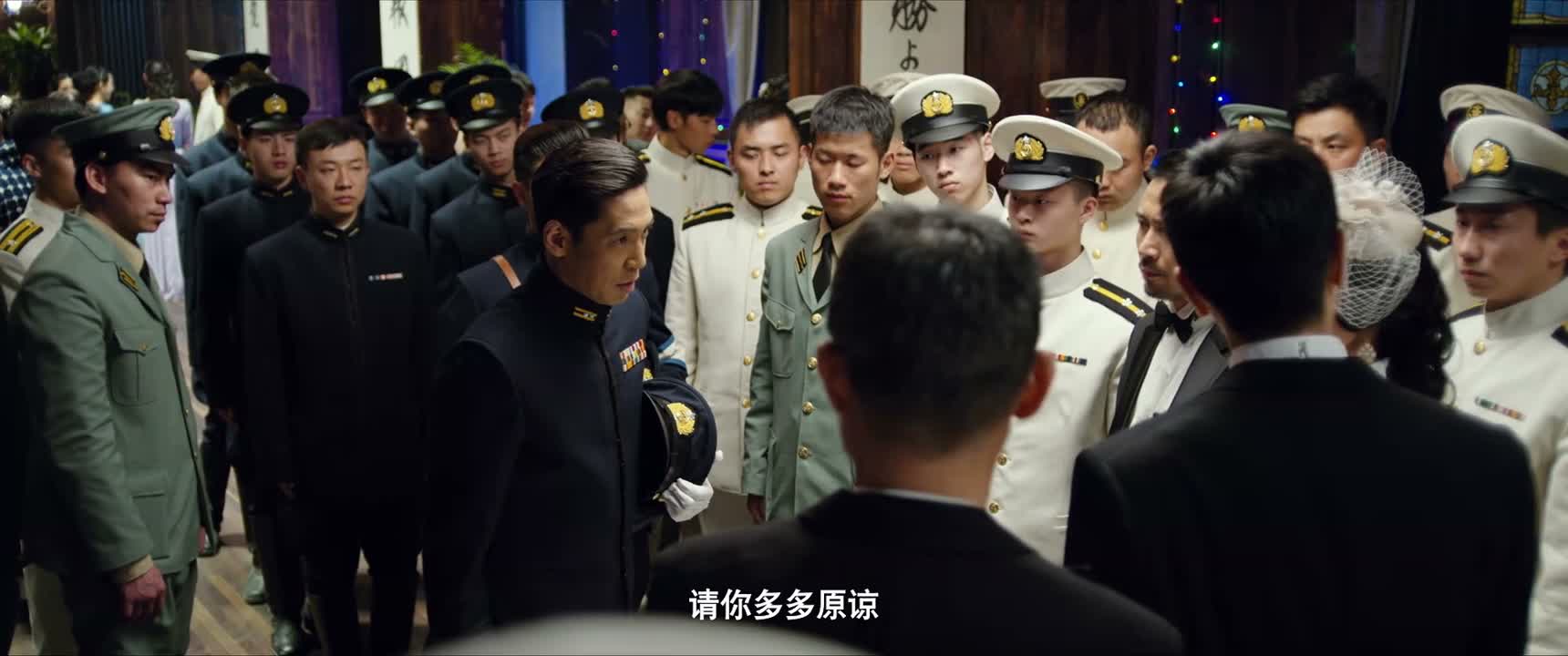
“Please forgive me.”

“forgive me for leaving without saying goodbye.”