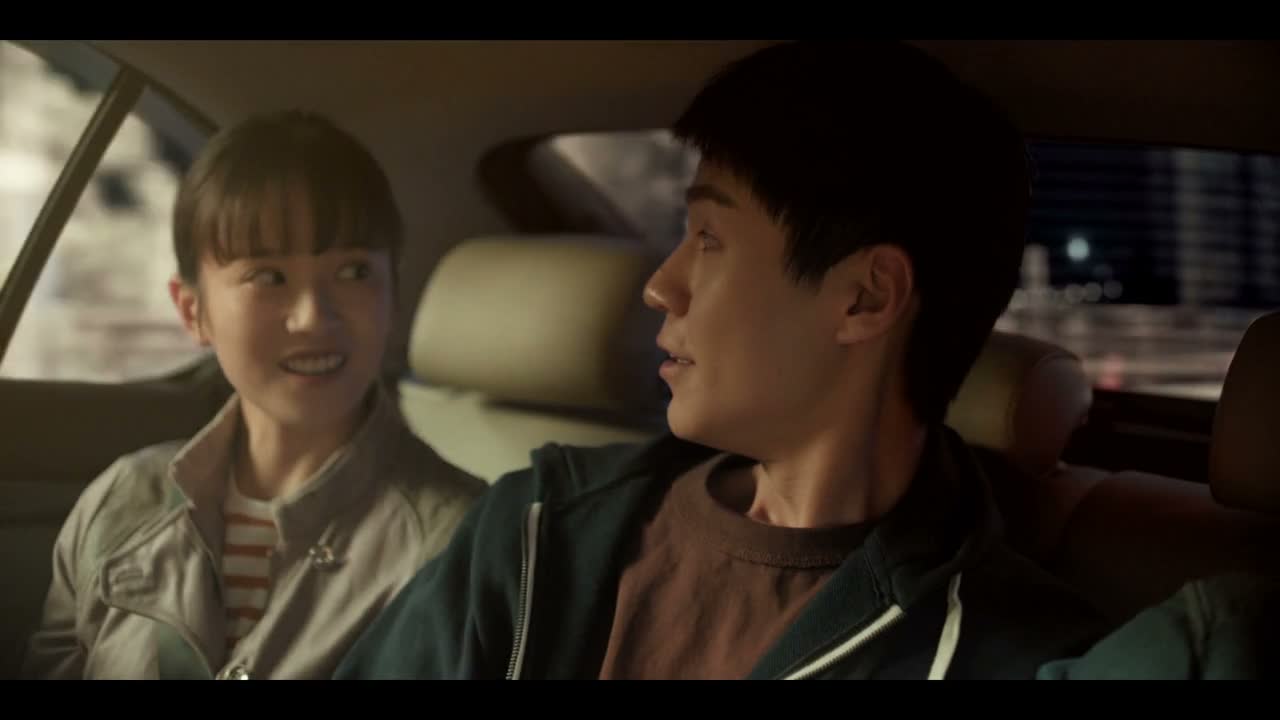
《Light to the Night》 S1·E17 (22:03)
HSK 7
yào bù wǒ men yǐ hòu jiù … jiù dōu jiào “ hé dà gē ” ba ?
要不我们以后就… 就都叫“何大哥”吧?
“Perhaps we should just call you Mr. He.”
《Light to the Night》
S1·E17
TIMECODE: 22:03
·
1080P MASTER AUDIO
THE DIALOGUE REEL
[-1] PREVIOUS TURN
xián wǒ lǎo shì bú shì ? wǒ lǎo
“Who are you calling old here? Sorry.”
yào bù wǒ men yǐ hòu jiù … jiù dōu jiào “ hé dà gē ” ba ?
CURRENT FOCUS
要不 我们以后就… 就都叫“何 大哥 ” 吧 ?
“Perhaps we should just call you Mr. He.”
Subtitles synced to millisecond timecode
Browse Show Clips →
Scene:
Social & Dating
Function:
PROPOSING AND COMPROMISING
Tone:
TEASING
Emotion:
JOY
WHAT THEY REALLY MEAN (PRAGMATIC SUBTEXT)
“How about we compromise and just call you 'Big Brother He' from now on to make you feel younger?”
💡 Cultural Insight: da ge / jiao ge (calling someone 'older brother')
In Chinese social etiquette, addressing an older male peer as 'da ge' (big brother) or '[Surname] ge' conveys warmth and respect without sounding overly aging like 'Lao [Surname]' or uncle-generation titles, making it ideal for breaking the ice and building rapport.
INTENT TAGS:
#smoothing things over
#easing the tension
#building rapport
#making a suggestion
🧩
1 CHUNKS · 1 PARTICLES
LEARNING CHUNKS & PARTICLES
要不……吧
SPOKEN CHUNK
how about... / why don't we...
A highly frequent colloquial pattern used to propose a suggestion or compromise politely and seek consensus.
Modal Particle「吧」 (ba)
CHANGE OF STATE
Placed at the end of a sentence to propose a suggestion or soften an imperative, making it sound less imposing.
🏮
2 EXPR · 1 GRAMMAR
VOCABULARY & EXPRESSIONS
CROSS-CINEMA CORPUS BOARD · PARALLEL SCENES
EXPLORE BY SEMANTIC SIMILARITY
Parallel Spoken Cinema Scenes (语义近邻切片)
《Light to the Night》 S1·E17 (22:03) · Authentic Cinema Dialogue Corpus