你既然回来了 不会故意不通知我
“Now that you're back, you wouldn't just not tell me on purpose.”
THE DIALOGUE REEL
我就说嘛
“I knew it.”
你 既然回来了 不会故意不通知 我
“Now that you're back, you wouldn't just not tell me on purpose.”
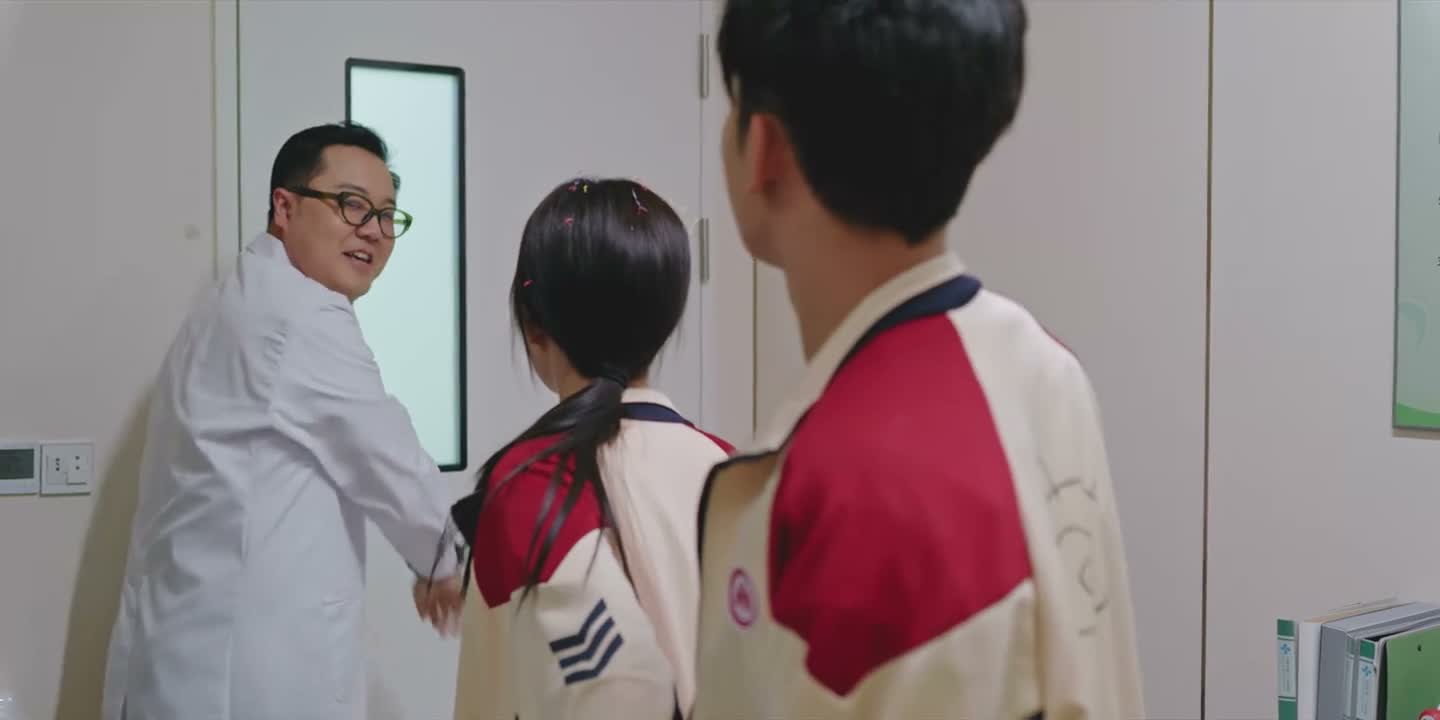
衣服怎么了
“What happened to your clothes?”
“I knew you wouldn't keep your return from me on purpose—you wouldn't leave me in the dark like that.”
In close relationships within acquaintance-based societies, failing to promptly greet someone upon returning after a long absence typically calls for a reasonable excuse; proactively offering an excuse for the other person maintains social face (mianzi) and reinforces intimacy.
LEARNING CHUNKS & PARTICLES
indicates causal reasoning, emphasizing that given an established fact, it would defy common sense to commit an unreasonable act
Commonly used in spoken Chinese to rationalize someone's behavior or express trust.
deliberately or intentionally not doing something
Commonly used in contexts of clearing up misunderstandings or questioning someone's motives.
VOCABULARY & EXPRESSIONS
Parallel Spoken Cinema Scenes (语义近邻切片)

“Do you know why I came back?”

“Let me know when you're back.”

“Why didn't you tell me you came back?”

“You didn't tell me you were coming back for dinner.”

“You should have told me earlier that you were coming back for lunch.”
“You actually came back?”