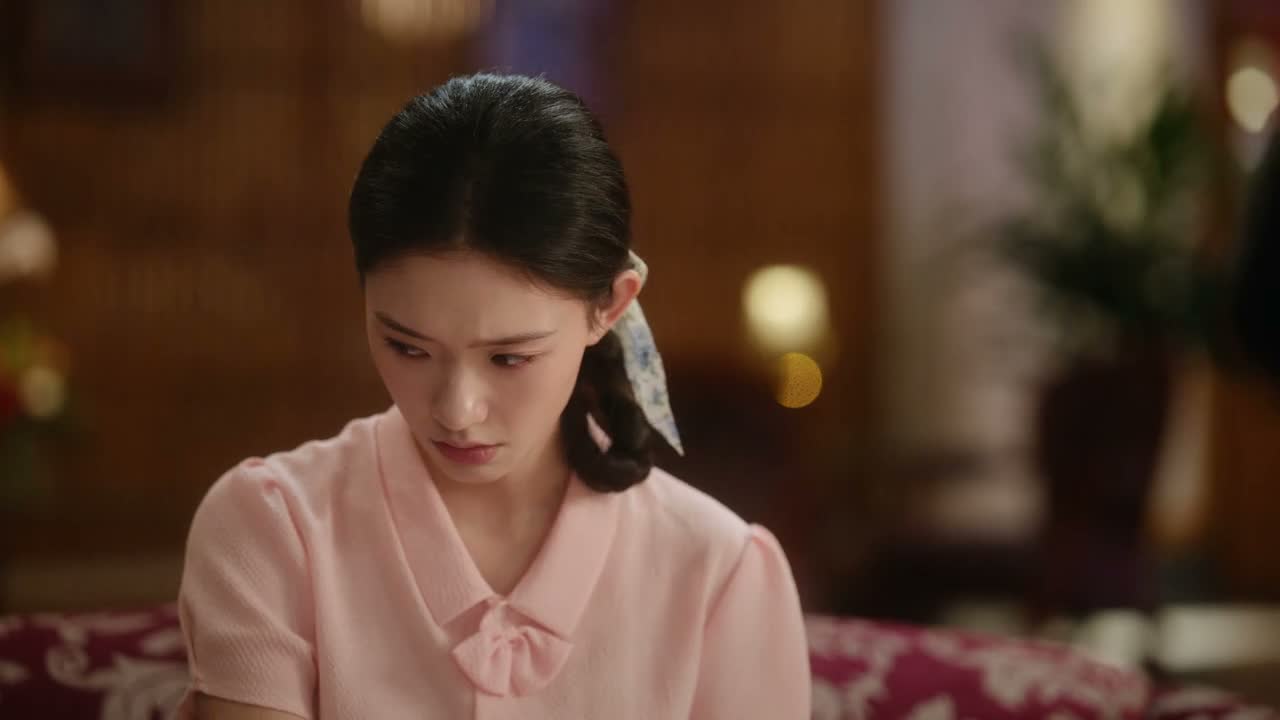
我得对得起我身上这身衣服呀 师父
“I have to live up to this badge. Master,”
THE DIALOGUE REEL
“I... I don't know how to say it. I have to...”
我得 对得起 我身上这身衣服呀 师父
“I have to live up to this badge. Master,”
“otherwise, I won't be able to sleep at night.”
“I have to stay true to my uniform and the duty it represents, Master.”
In traditional Chinese or public sector workplaces (such as public security, railways, and skilled crafts), mentorship systems are often preserved, with seniors addressed as 'shifu' (master/mentor). When juniors assure seniors of staying true to their original aspirations and fulfilling their mission, they often use their uniform as a metonymy to emphasize carrying out their duties with total dedication.
LEARNING CHUNKS & PARTICLES
to live up to; to be worthy of; to have a clear conscience toward
Commonly used in the structure 'dui de qi + person/responsibility/expectation' to express having a clear conscience.
the uniform one is wearing, figuratively referring to an honorable profession with great responsibility (such as police officers, soldiers, judges, doctors)
In film and television, 'clothes/uniform' is often used metonymically to represent one's duties, identity, and commitment to a mission.
Used at the end of a sentence to convey pleading, emphasis, or an emotional appeal, reinforcing a sincere desire to be understood.
VOCABULARY & EXPRESSIONS
Parallel Spoken Cinema Scenes (语义近邻切片)

“My clothes aren't as good as yours.”

“how could I face your mother?”

“What's wrong, Master? We can't be careless. Go to the nearby”

“It was supposed to be mine.”
“This outfit is perfectly fine.”

“By the way, sir, I've already filed a request”