我 我不知道咋说 我得
“I... I don't know how to say it. I have to...”
THE DIALOGUE REEL
“and don't notice him? Wouldn't that bastard just get away?”
我 我不知道 咋说 我得
“I... I don't know how to say it. I have to...”
“I have to live up to this badge. Master,”
“I... I don't really know how to put it into words, but I just have to...”
In public service contexts such as the police or military, 'clothes' refers to the official uniform, symbolizing professional honor, state-entrusted duties, and one's moral baseline.
Refers to the traditional master-apprentice mentorship system found in Chinese trades as well as law enforcement and criminal investigation units. A 'shifu' serves not only as a professional trainer, but also as a revered elder and moral guide.
LEARNING CHUNKS & PARTICLES
not knowing how to say it
A high-frequency colloquial expression. 'Za' is a northern dialect term meaning 'how' ('zen me'). It is often used as a verbal pause when at a loss for words, feeling awkward, or speaking while emotionally stirred.
VOCABULARY & EXPRESSIONS
Parallel Spoken Cinema Scenes (语义近邻切片)

“Honestly, I don't even know what to say to you anymore.”

“I just don't know. I don't care what you say.”

“And I didn't know how to tell you.”

“so... so I really don't know what else to say.”

“I... I don't know what to say.”

“I-I really don't know about him.”

“I... I really don't know.”
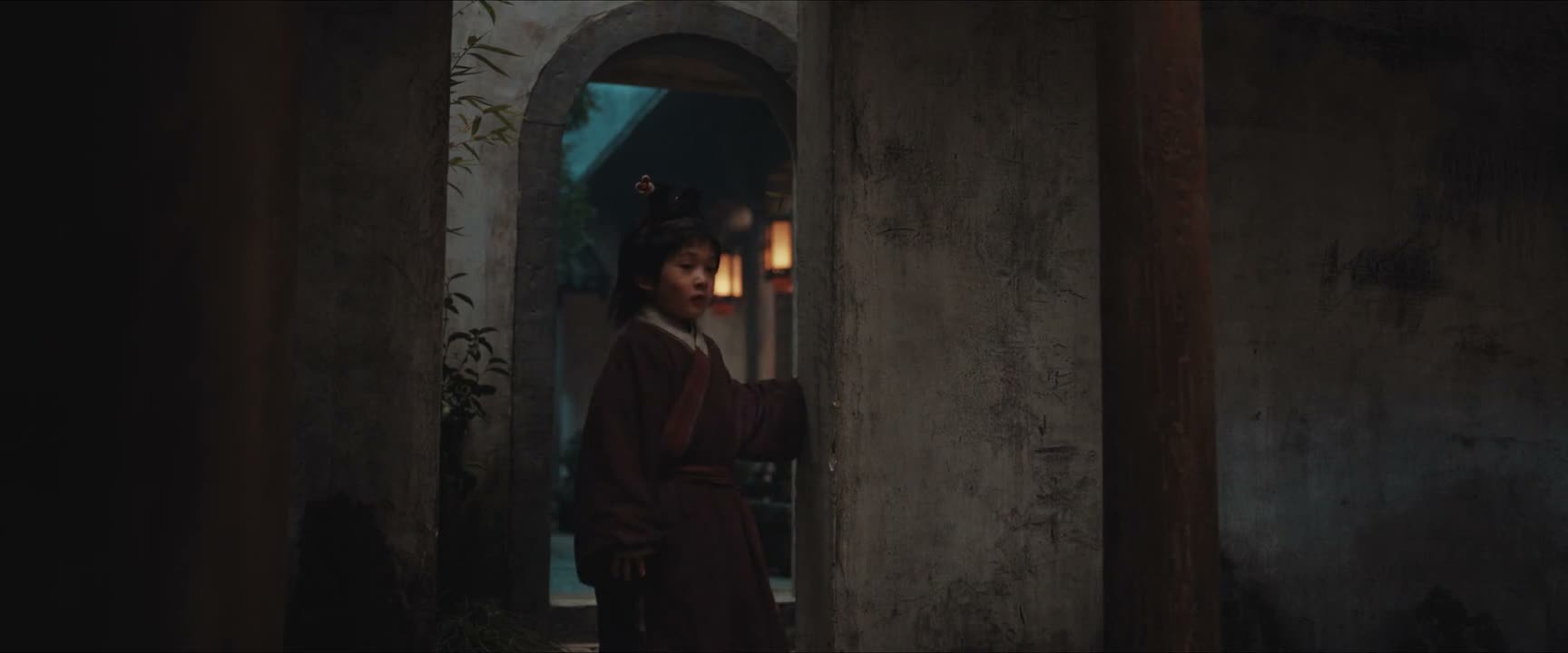
“I... I don't know.”

“I really don't know what to do.”

“I don't know. I truly don't know.”

“Aunt. I... I don't know what to say.”

“I... I don't know how to explain it.”

“- I don't know what to say. - You say it didn't happen.”

“I... I don't know.”

“I... I really don't know what happened.”

“I... I'm not sure.”