我真的 我都不知道该怎么说你好了
“Honestly, I don't even know what to say to you anymore.”
THE DIALOGUE REEL
才是一个个的稀缺资源
“People like us with a regular nine-to-six, five-day workweek are rare.”
我 真的 我都不知道 该 怎么说 你好 了
“Honestly, I don't even know what to say to you anymore.”
你脑子坏掉了
“You're out of your mind.”
“I'm honestly at a total loss for words with you; what you did is beyond stupid.”
In close Chinese relationships such as among family or friends, when someone makes an unwise or foolish choice, seemingly harsh reproaches (like 'I don't know what to say to you' or 'have you lost your mind') are often used to express deep concern and regret rather than malice.
LEARNING CHUNKS & PARTICLES
I really don't know what to say to you; expresses utter exasperation, disappointment, or speechlessness toward someone's foolish actions, typically among close friends or family.
A highly frequent colloquial expression carrying the emotional nuance of frustration over another's lack of sense or disbelief at their foolish behavior.
Placed after the adjective 'hao' in this set construction to convey a changed state of helplessness and resigned finality.
VOCABULARY & EXPRESSIONS
Parallel Spoken Cinema Scenes (语义近邻切片)

“I really didn't know how to say it.”
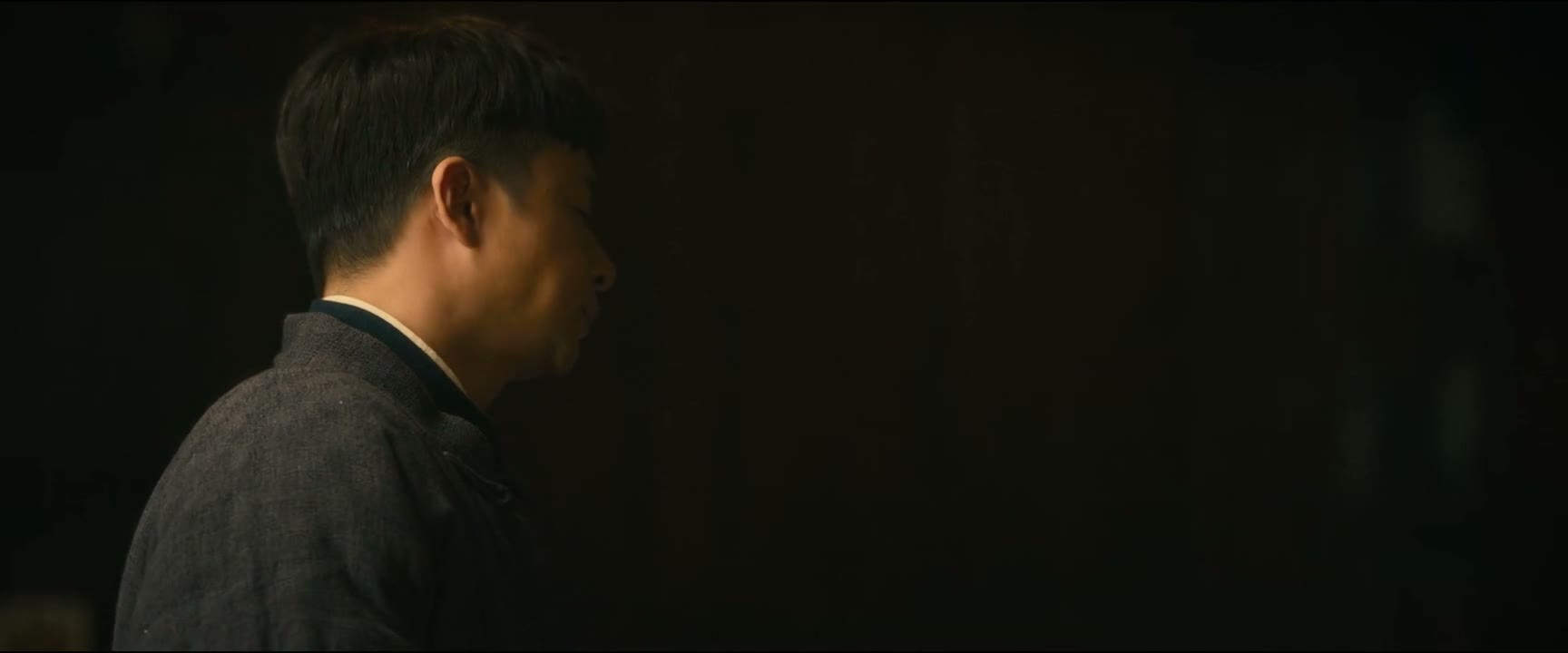
“All right. I can't explain it to you. But I can tell you this.”

“I really didn't know how to tell you.”

“I... I don't know how to say it. I have to...”

“I didn't know that. I even scolded you.”

“I just don't know. I don't care what you say.”

“I... I don't know what to say.”

“and I don’t know what to say to her. I think you must have misunderstood me.”

“I-I really don't know about him.”

“I have no idea either. Don't play dumb.”

“I really don't know what to say.”
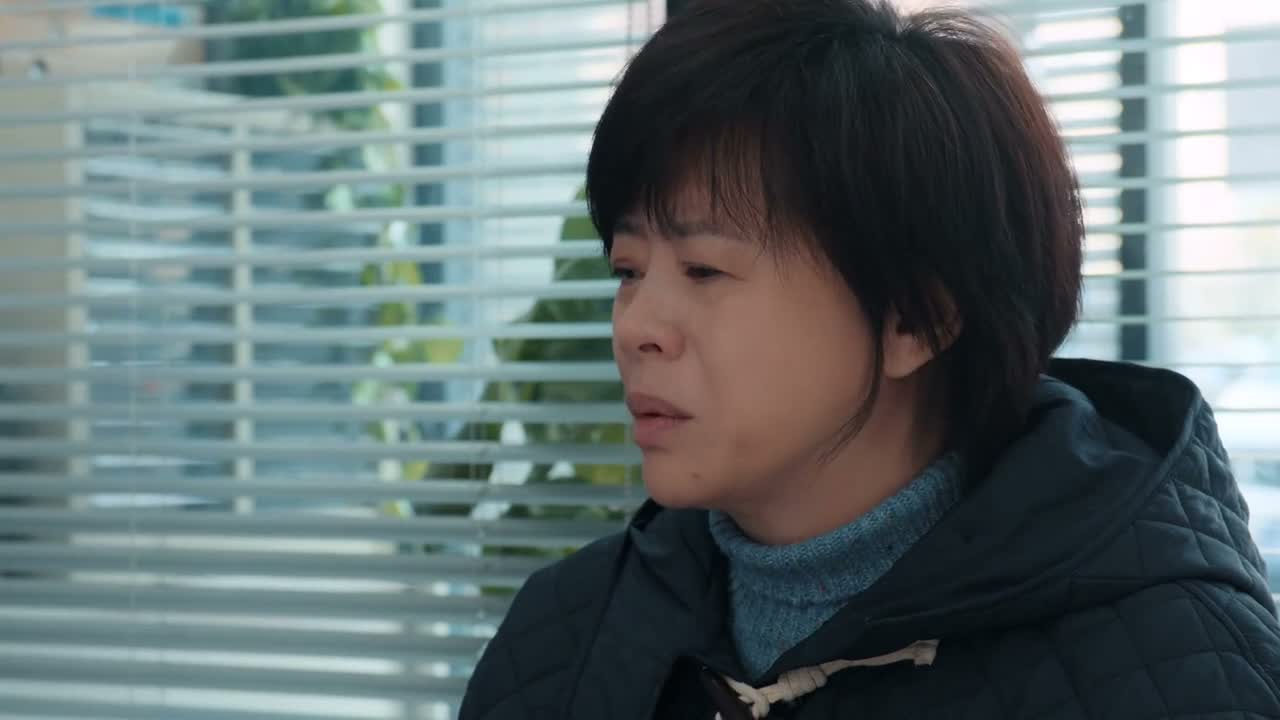
“I really don't know what to do.”

“I don't know. I truly don't know.”

“Aunt. I... I don't know what to say.”

“I... I don't know how to explain it.”

“just pretend you don't know about my difficulties.”
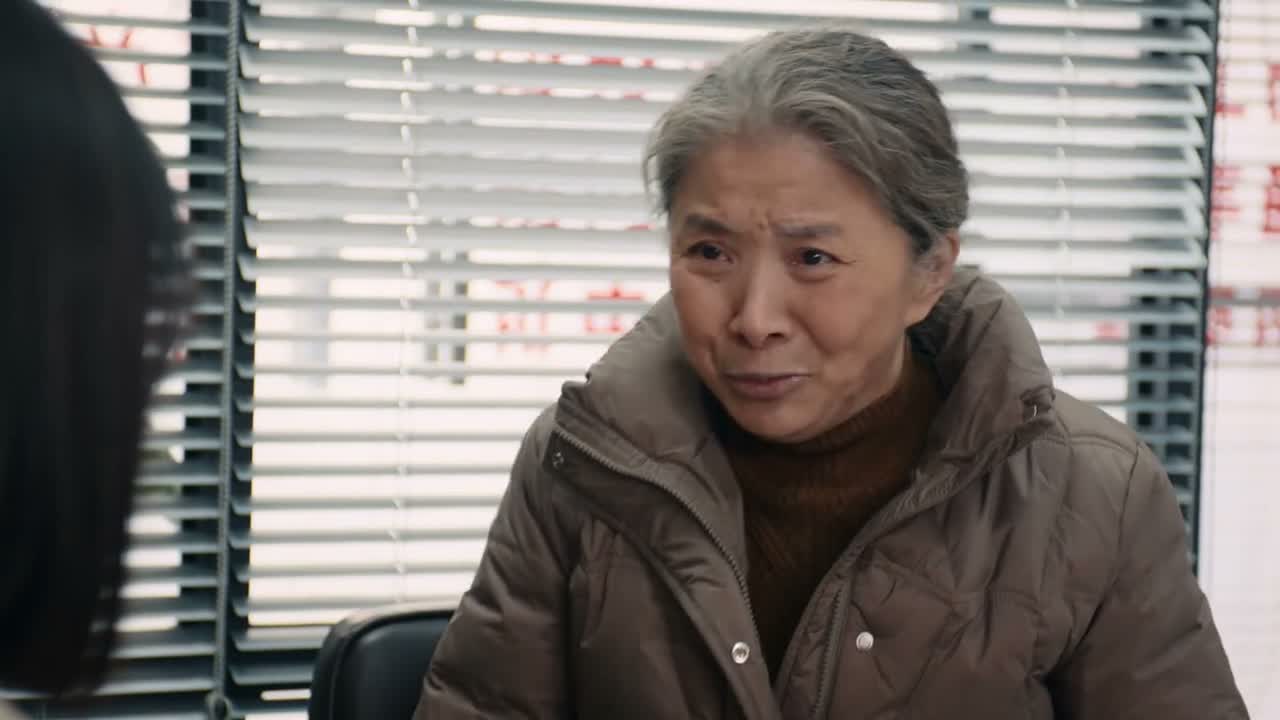
“I don't even know what to say. I...”

“Honestly, I have no idea what to say to you.”