我 我不知道说什么
“I... I don't know what to say.”
THE DIALOGUE REEL
就这么干晾着吧
“and ignore him like this, can you?”
我 我不知道 说什么
“I... I don't know what to say.”
晚雪妹妹
“Wanxue,”
“This situation is so overwhelming that I'm completely at a loss for words.”
In Chinese emotional discourse, direct declarations are often avoided; admitting speechlessness frequently signals deep inner emotional turmoil or shyness.
LEARNING CHUNKS & PARTICLES
don't know what to say / at a loss for words
A high-frequency spoken phrase deployed whenever one feels overwhelmed, awkward, or emotionally tongue-tied.
VOCABULARY & EXPRESSIONS
Parallel Spoken Cinema Scenes (语义近邻切片)
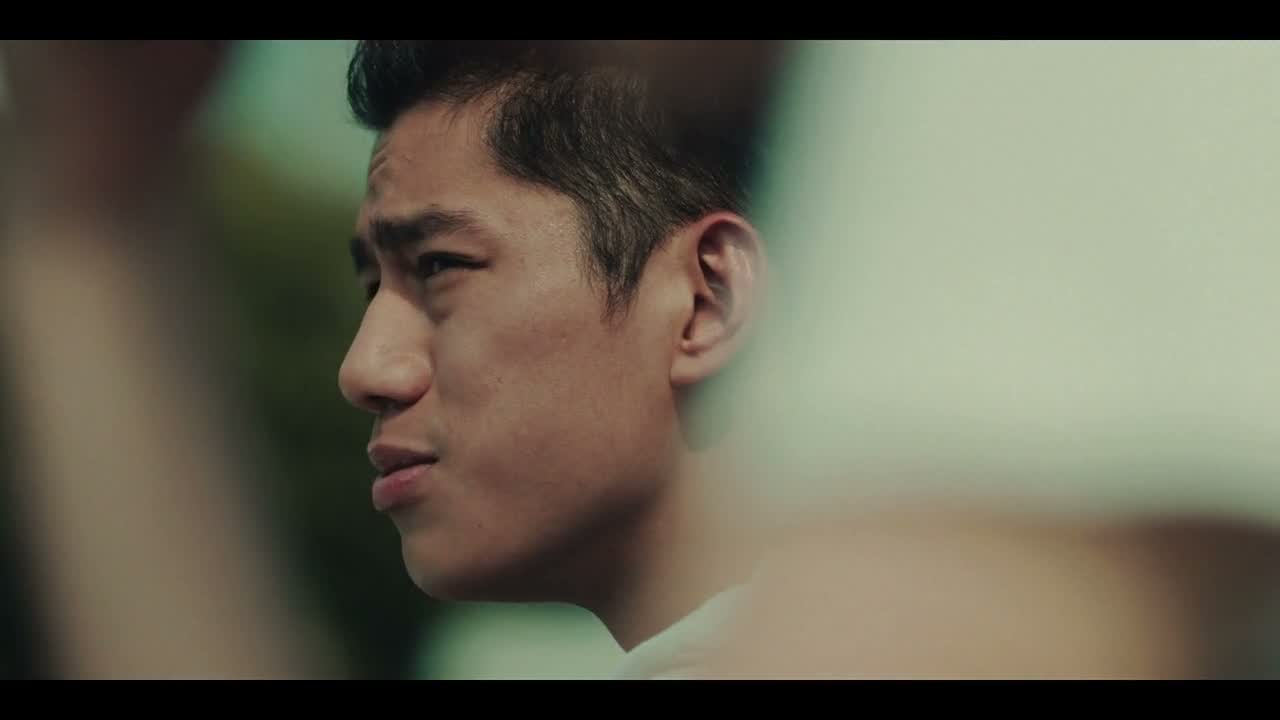
“- After you got to know me, you stopped-- - I know what I said.”

“I... I'm not sure.”

“Honestly, I don't even know what to say to you anymore.”

“I... I don't know how to say it. I have to...”

“I didn't know that. I even scolded you.”

“I didn't know. As I said, my business isn't your concern.”

“I just don't know. I don't care what you say.”

“Of course. If she hadn't, why would I bring you a quilt?”

“so... so I really don't know what else to say.”

“and I don’t know what to say to her. I think you must have misunderstood me.”

“I-I really don't know about him.”

“I... I really don't know.”

“I have no idea either. Don't play dumb.”

“I really don't know what you're talking about.”

“I... I don't know.”

“I really don't know what to say.”
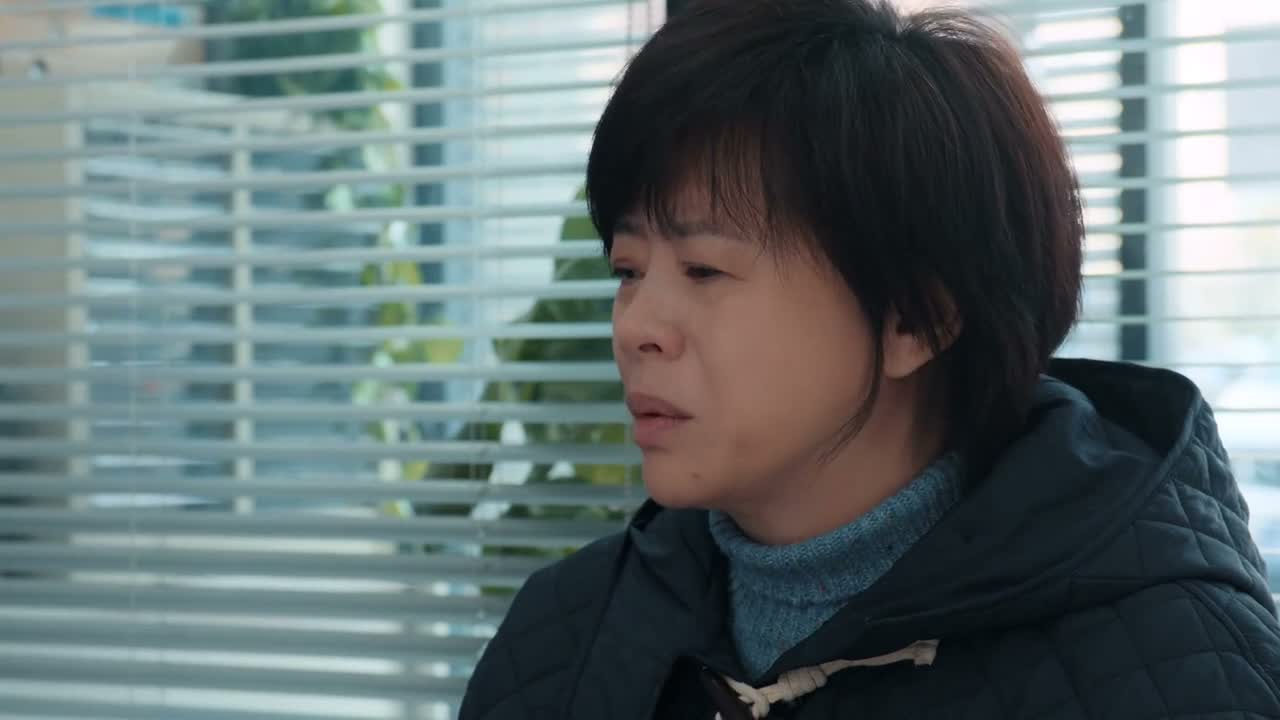
“I really don't know what to do.”

“I don't know anything! Let's see…”

“I don't know. I don't know what you mean.”

“I don't know. I truly don't know.”

“I… I don't even know how to say this.”

“Aunt. I... I don't know what to say.”

“I know nothing, Aunt.”

“I... I don't know how to explain it.”
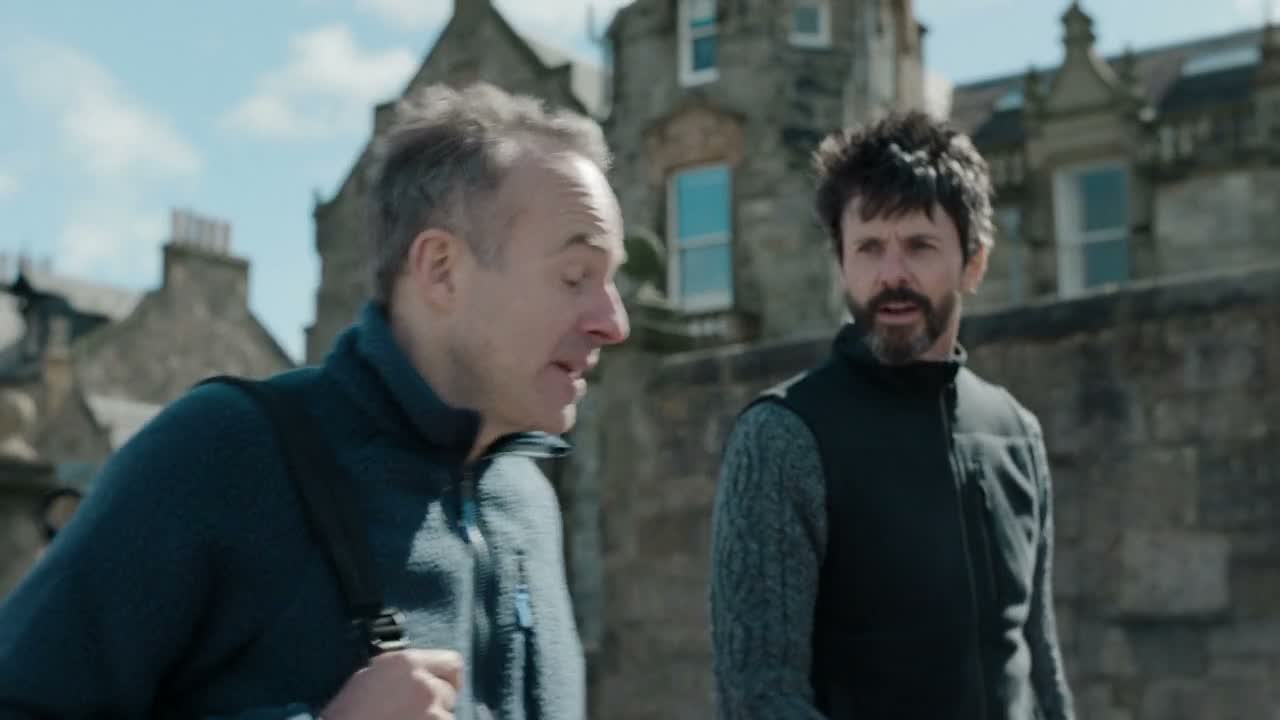
“- I don't know what to say. - You say it didn't happen.”

“we can't pretend we know nothing, can we?”

“I... I don't know.”

“I know you well. Tell me. What is it?”

“I... I really don't know what happened.”

“I-I'm speechless. Thank you so much.”