还搞这些花里胡哨的 烦死了
“but doing all this flashy stuff, too? He's so annoying.”
THE DIALOGUE REEL
“It's one thing to be so clingy every day,”
还搞这些 花里胡哨 的 烦死了
“but doing all this flashy stuff, too? He's so annoying.”
你看这大军平时挺木讷的 挺会来小奶狗那一套啊
“Jun usually seems pretty dull, but he's quite good at the boyish charm thing.”
“Look how much he dotes on me with all these romantic gestures—it's sweet, but I'll pretend to be annoyed just to show off.”
A common interaction style among contemporary Chinese youth where the speaker superficially complains about a partner being overly attentive or romantic, but is actually flaunting their sweet relationship to friends (colloquially known as 'sa gou liang' or 'feeding dog food').
An internet slang term referring to an ideal type of boyfriend who is gentle, considerate, clingy, and usually younger.
LEARNING CHUNKS & PARTICLES
Overly flashy, gaudy, or superficial and impractical.
Commonly used in spoken Chinese to express mild disdain or teasing toward ostentatious behavior or flashy appearances.
Extremely annoyed; colloquially used to express playful pouting or feigned annoyance.
A very high-frequency colloquial expression. In romantic or intimate contexts, it often conveys coquettish pouting where one pretends to be bothered but actually enjoys the attention.
Placed at the end of a descriptive structure to nominalize it, referring generally to things or actions of that flashy sort.
Used in the degree complement structure 'fan si le' to indicate that an emotional state has reached its extreme.
VOCABULARY & EXPRESSIONS
Parallel Spoken Cinema Scenes (语义近邻切片)
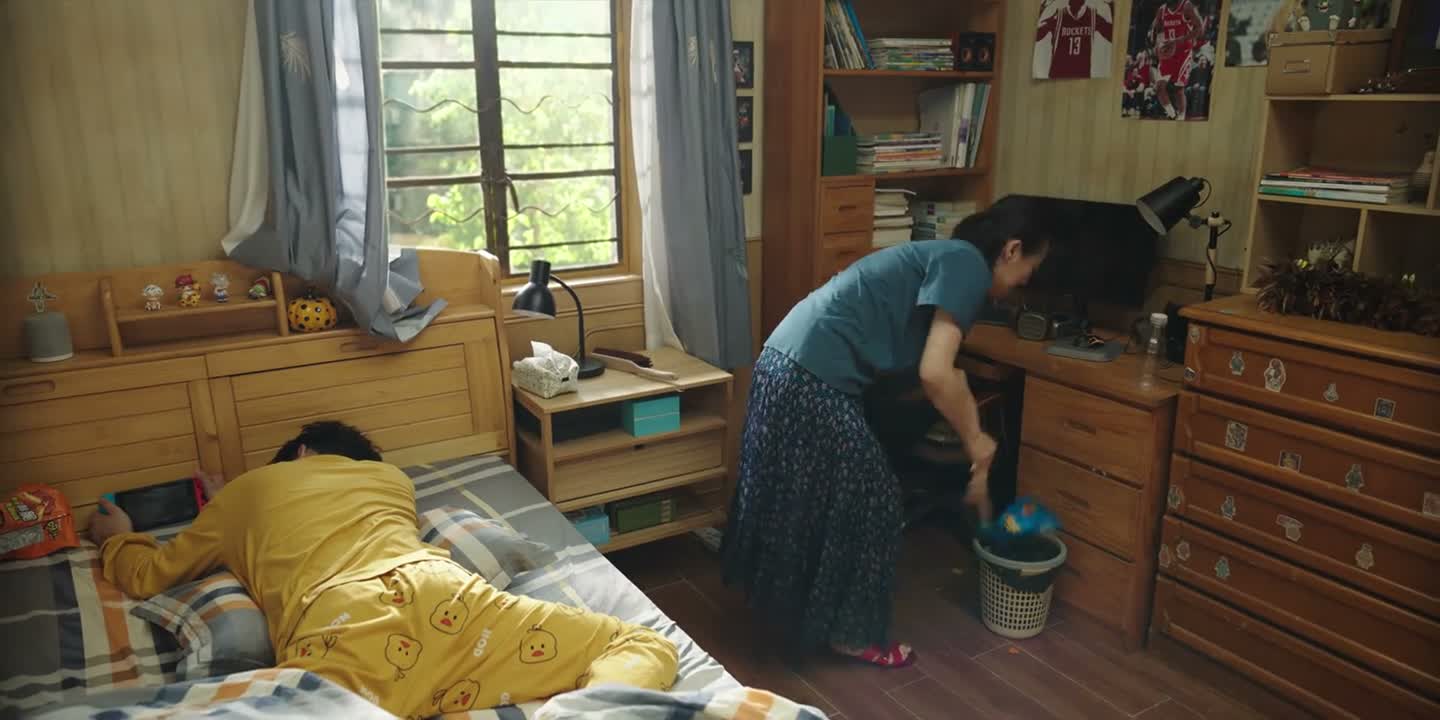
“Messing with this junk”
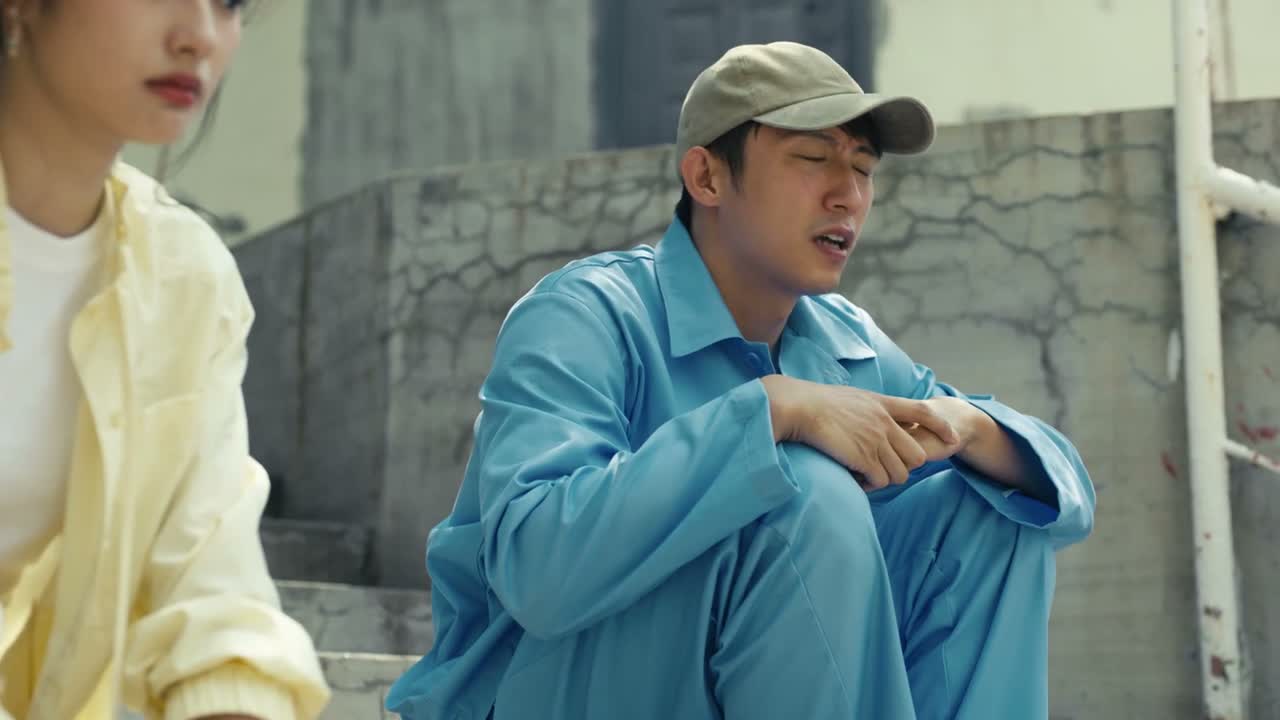
“to go through all that trouble? What was the point?”

“I was so annoyed. Look at her.”