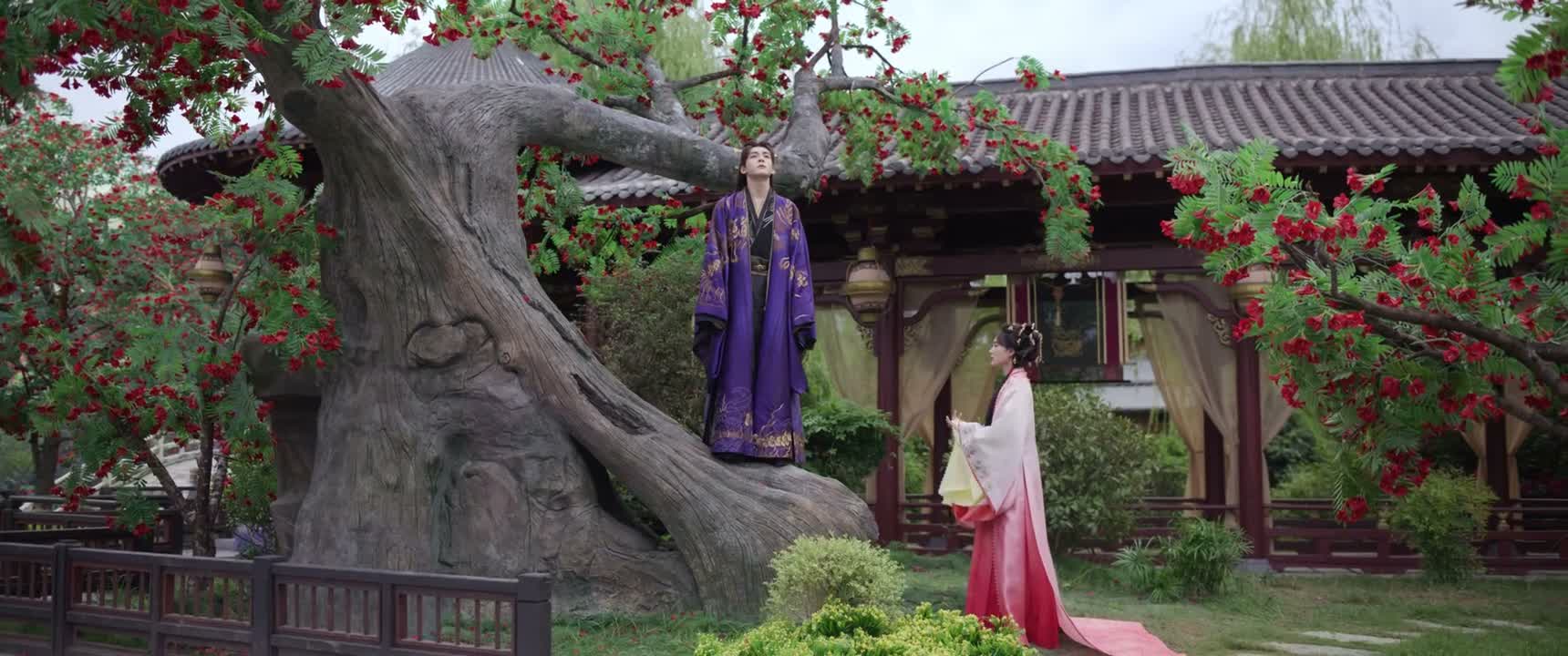
所以就找了一个非常蹩脚的理由 你不会介意吧
“So I came up with a very clumsy excuse. You don't mind, do you?”
THE DIALOGUE REEL
“to get to know the beautiful girl in front of me.”
所以就找了一个非常 蹩脚的理由 你 不会 介意 吧
“So I came up with a very clumsy excuse. You don't mind, do you?”
“My name is Qiu Shi. Could I get to know you?”
“I just really wanted an excuse to talk to you, hope you don't mind me being so forward.”
In modern Chinese youth social culture, using self-deprecation by pointing out one's own flaws (such as calling one's excuse 'bie jiao' or clumsy) is often viewed as humorous, sincere, and emotionally intelligent, effectively softening the awkwardness of approaching a stranger.
LEARNING CHUNKS & PARTICLES
a lame, clumsy, or far-fetched excuse
Commonly used for modesty or self-deprecation, colloquially describing excuses, skills, or reasons that seem awkward, poor, or unconvincing.
you wouldn't mind, would you?; asking politely while hoping the listener does not mind
A polite and indirect social phrase; phrased as a question, it softly guides the listener toward being accommodating and agreeing.
Used at the end of a sentence to soften the tone and express conjecture, gently prompting the listener to agree and be accommodating.