我儿子还没结婚呢 我哪儿来的孙子孙女
“My son isn't even married yet. Where would I get a grandchild?”
THE DIALOGUE REEL
咨询舞蹈课的吗
“for your grandson or granddaughter?”
我 儿子 还没 结婚 呢 我 哪儿来的孙子孙女
“My son isn't even married yet. Where would I get a grandchild?”
那您是想自己学 我们这边主攻嘻哈舞蹈
“Then, do you want to learn it yourself? We specialize in hip-hop dance here.”
“My son isn't even married yet, so how on earth could I have grandkids? (You totally assumed I was here for them!)”
In urban China, it is extremely common for grandparents to pick up, drop off, or enroll their grandchildren in extracurricular classes, so businesses often automatically assume that older adults inquiring about courses are doing so for their grandchildren.
LEARNING CHUNKS & PARTICLES
where would ... come from / how could there possibly be ...
A rhetorical sentence pattern expressing a strong negation or highlighting that something simply does not exist; very frequently used in colloquial speech.
Placed at the end of a clause to mark a continuing state or remind the listener of background facts, providing a pause and emphasizing tone.
VOCABULARY & EXPRESSIONS
Parallel Spoken Cinema Scenes (语义近邻切片)

“Then are all our family your grandchildren?”
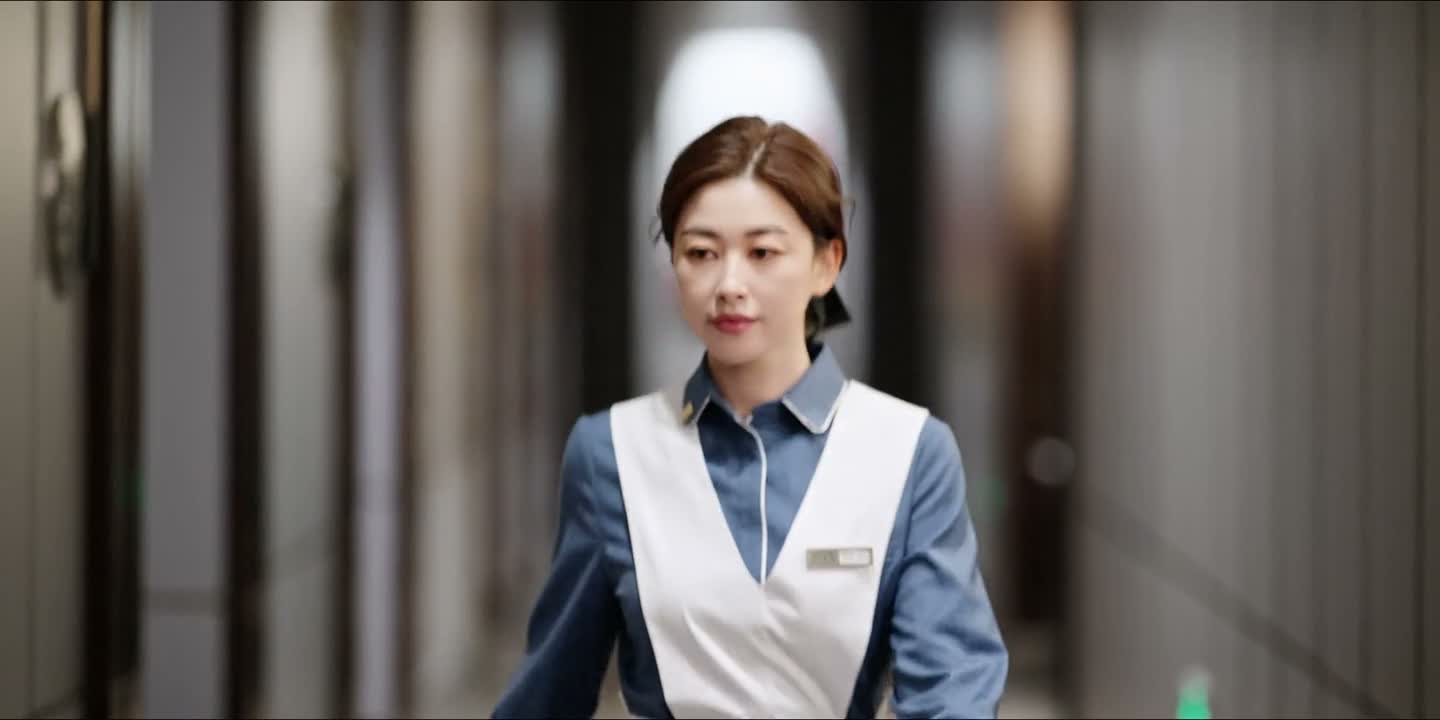
“the grandson we've been waiting for for years”

“His parents are out of town. They can't come. - What to do? - Yeah...”

“You're about the same age as my grandson.”

“An unrelated son is nothing.”
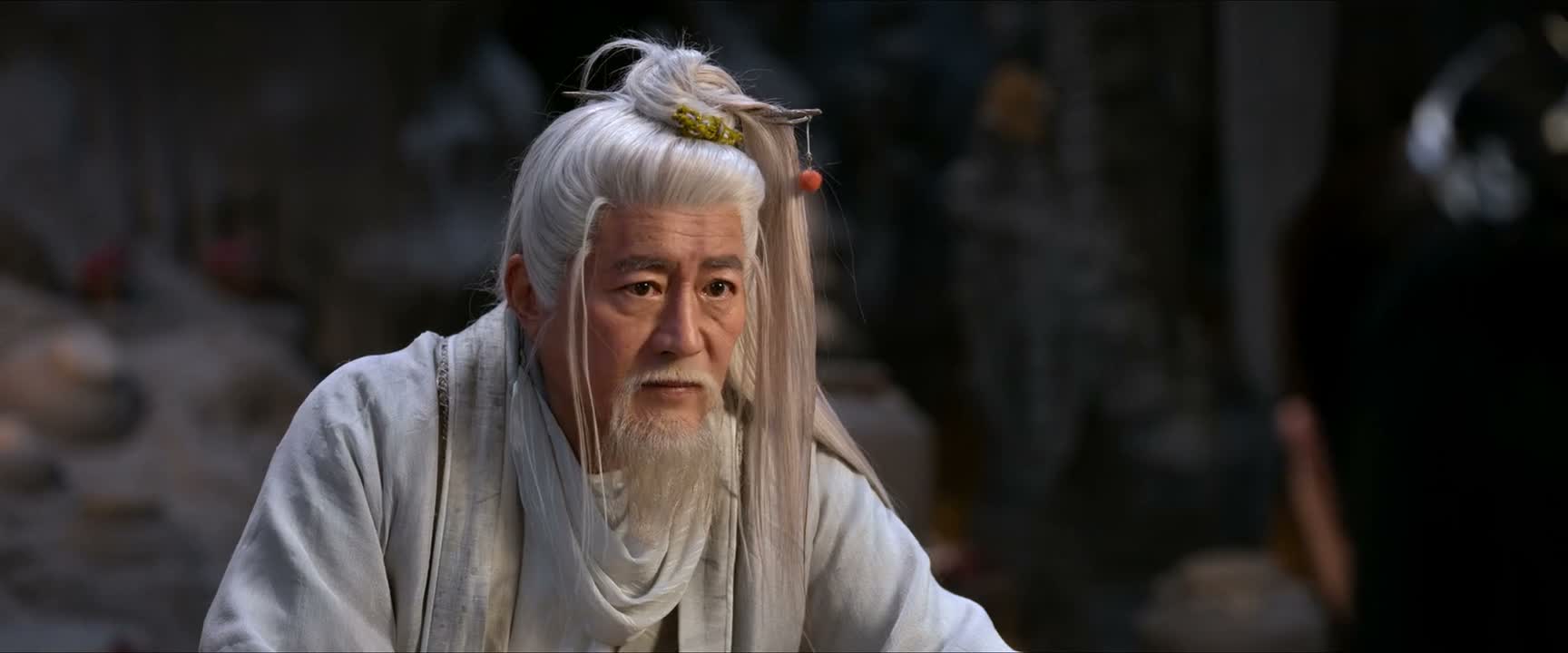
“are those bastards.”