这还是你吗 你这变化也太大了
“Is this really you? You've changed so much.”
THE DIALOGUE REEL
钱菲
“Qian Fei?”
这还是你吗 你这 变化也太大了
“Is this really you? You've changed so much.”
“Qian Fei, did something happen to spark this?”
“Is that really you? Who are you and what have you done with the person I knew?”
In everyday colloquial Chinese, when an acquaintance suddenly acts drastically out of character (such as binge eating, an abrupt personality shift, or an extreme change in style), friends often tease them by asking 'shou le shen me ci ji' (what shook you up?), implying that an emotional blow or major upset has triggered their abnormal behavior.
LEARNING CHUNKS & PARTICLES
Is this really you? / You are completely unlike yourself.
A common colloquial rhetorical question used between friends or acquaintances to express sheer disbelief when someone's appearance, styling, personality, or behavior changes drastically.
Such a huge change / What a massive difference.
A high-frequency basic phrase, often paired with 'ye' in the pattern 'ye tai... le' to form a mildly exaggerated or exclamatory evaluation.
Placed at the end of a rhetorical question to heighten skepticism and disbelief.
Used in the 'tai... le' construction to intensify the exclamatory degree and indicate a change of state.
VOCABULARY & EXPRESSIONS
Parallel Spoken Cinema Scenes (语义近邻切片)

“You haven't changed a bit,”

“Things have changed, you know. Look at me.”

“Aren't you the same as always?”

“That's what you told me.”
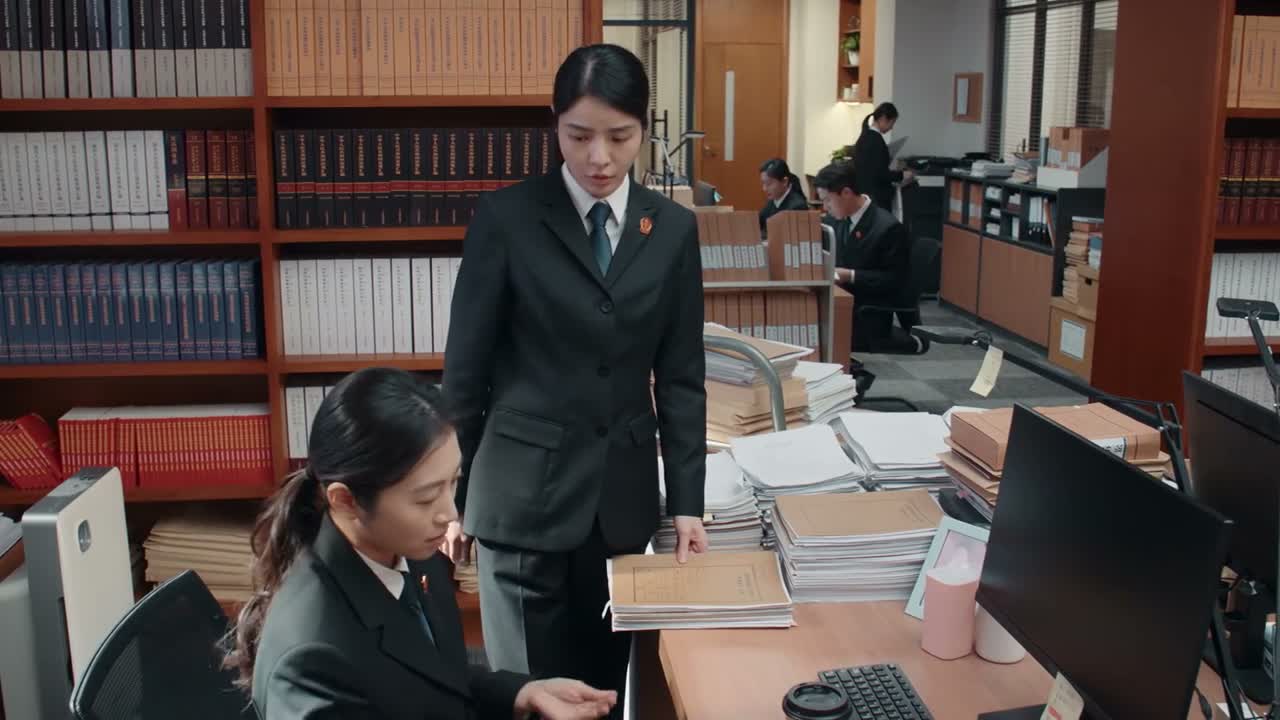
“I thought you'd changed your mind.”
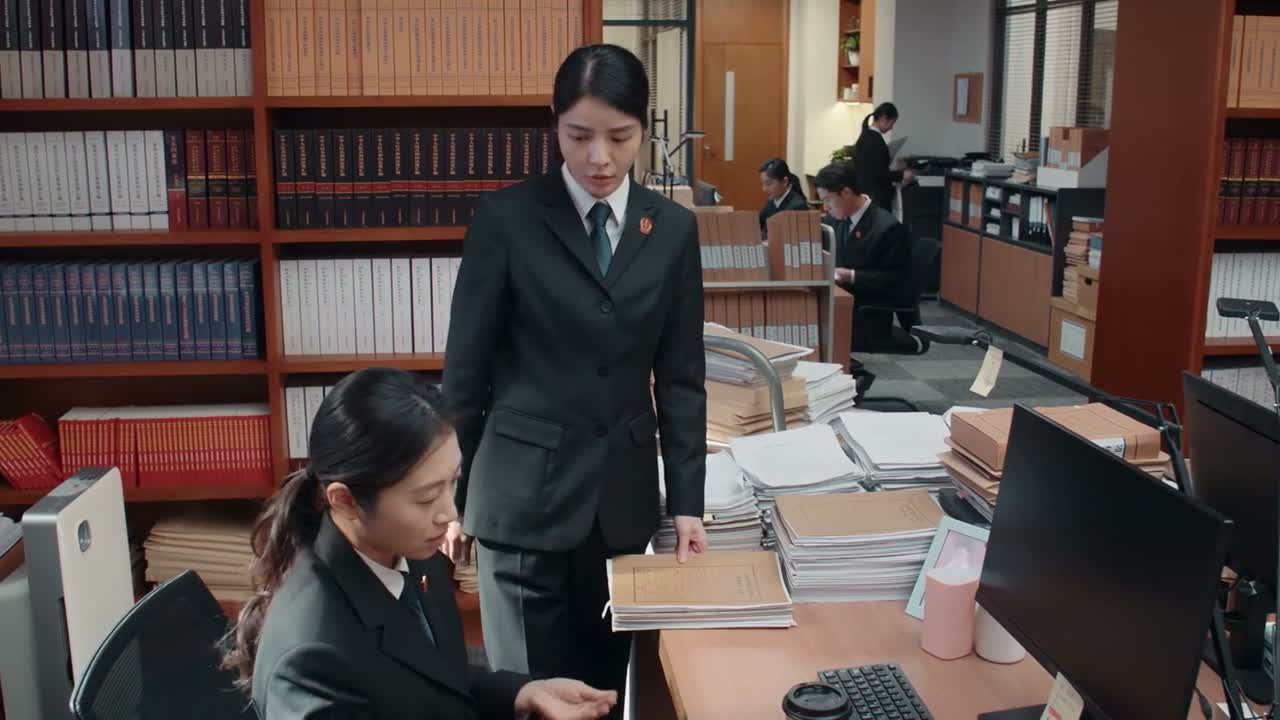
“I thought you'd changed your mind.”