不是血染丹墀
“stained with blood on the palace steps.”
THE DIALOGUE REEL
哪一次
“has been”
不是 血染丹墀
“stained with blood on the palace steps.”
我不杀人
“If I don't kill,”
“Every single rise to power is paved with blood; you cannot achieve this without killing.”
Refers to the red-painted stone steps or courtyard floor in front of an imperial palace. In ancient Chinese court politics, the 'dan chi' was the central stage for imperial assemblies, issuing decrees, and violent palace coups.
LEARNING CHUNKS & PARTICLES
Blood staining the red palace steps; describes extreme bloodshed and brutality during coups, palace purges, or battles for the throne.
A literary and historical drama idiom-like expression commonly used to signify tragic slaughter during palace coups and struggles for imperial power.
A rhetorical question pattern meaning 'every single time is...', used to emphatically assert that something is always the case.
A double-negative rhetorical structure commonly used in both spoken and written Chinese to indisputably emphasize an inevitable outcome or established fact.
VOCABULARY & EXPRESSIONS
Parallel Spoken Cinema Scenes (语义近邻切片)
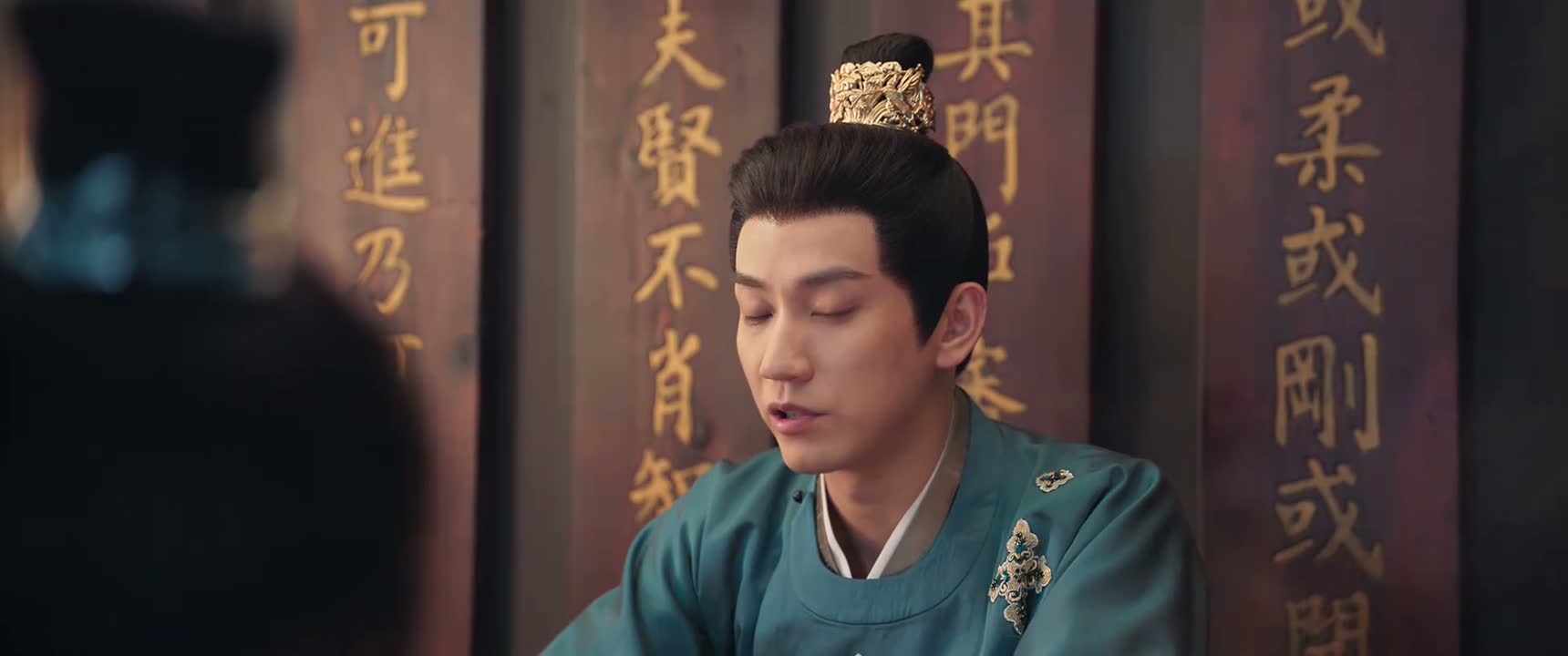
“But the Capital Prefecture isn't a solid wall.”

“It really is Chen Xuanqing.”

“Besides Lin Shan's, there were two other blood stains.”

“This match is called the Hall of Elegance,”
“his blood is not yet dry,”
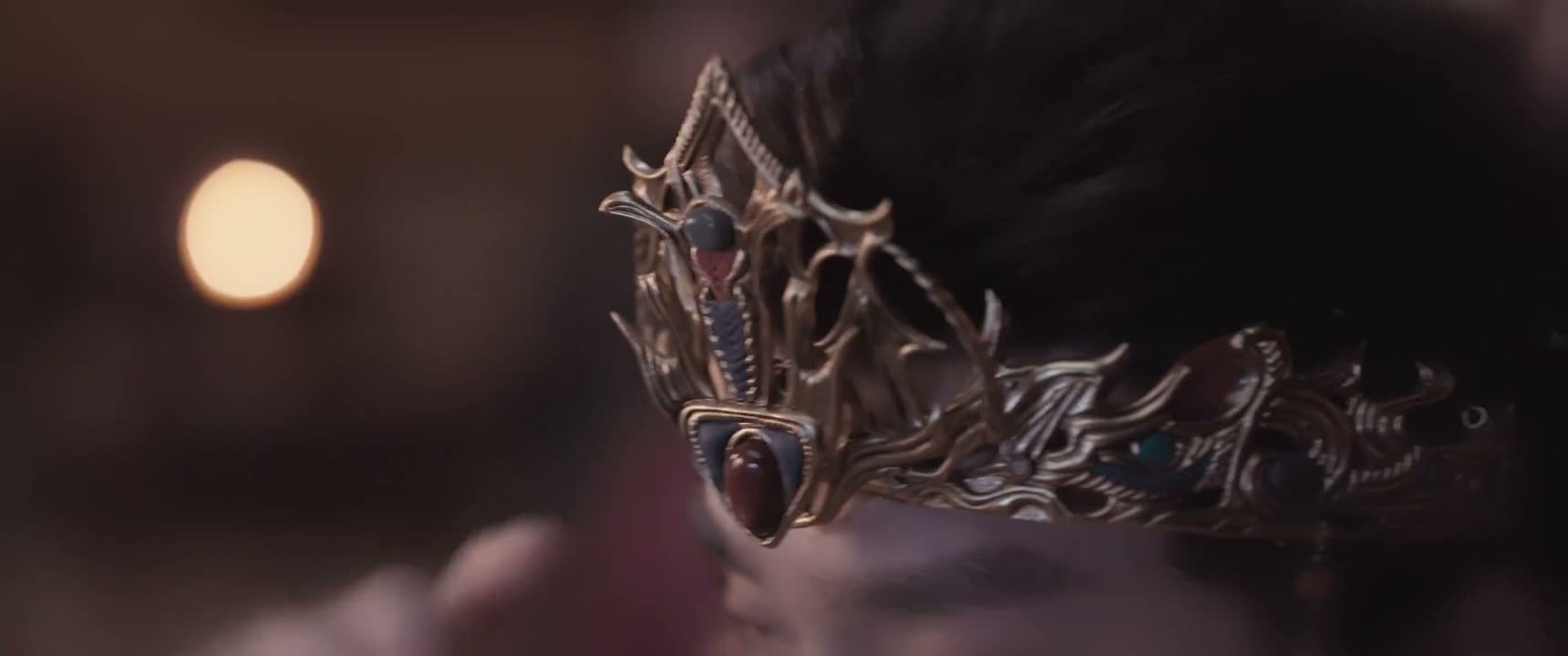
“and neglected the King's body.”