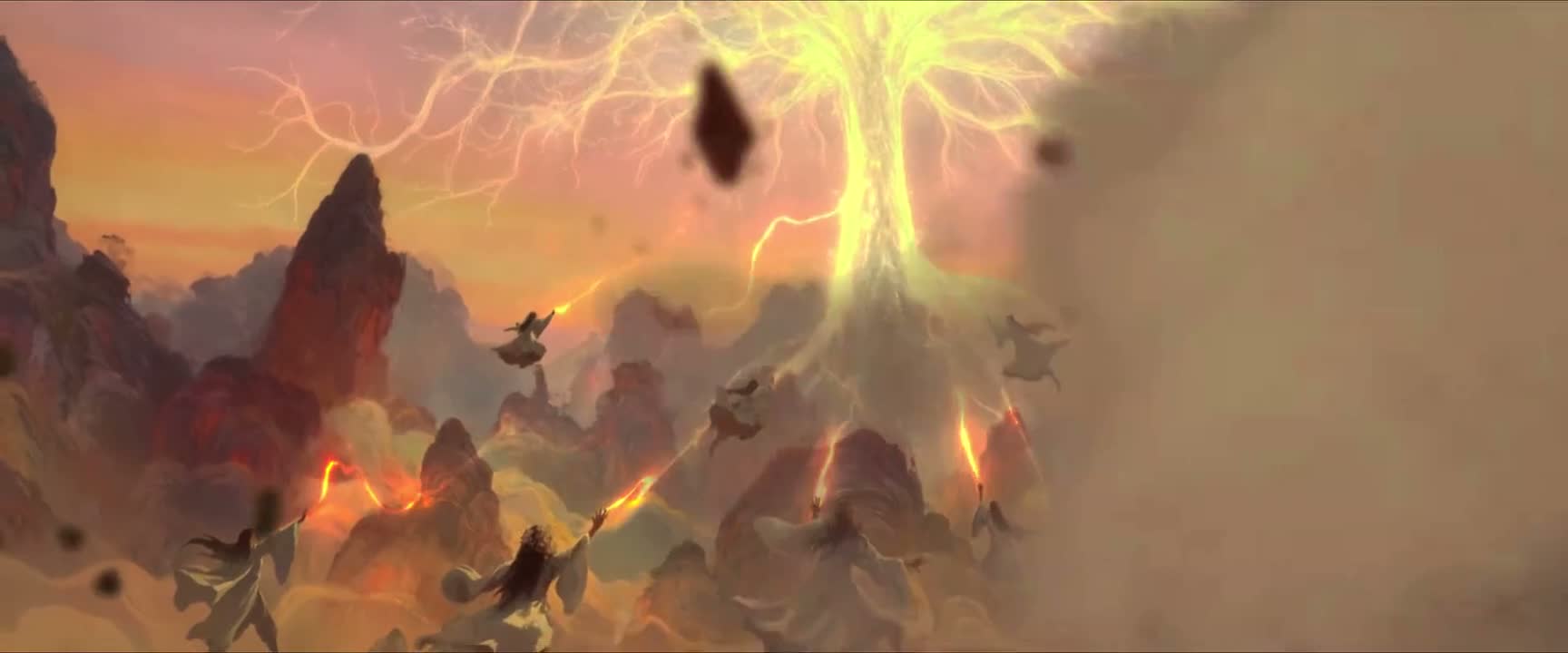
践踏文脉 天理难容
“(Trampling on the cultural heritage) (is a crime detested by all.)”
THE DIALOGUE REEL
致数十人死于时疫
“(causing dozens to die from the epidemic.)”
践踏文脉 天理难容
“(Trampling on the cultural heritage) (is a crime detested by all.)”
郭氏所为 上负宗庙 下害黎民
“(The deeds of Ms. Guo) (betrayed the ancestors and harmed the people.)”
“Your unforgivable atrocities against our culture and people defy all heavenly principles, and you must be eradicated.”
A core ethical concept in Song-Ming Neo-Confucianism and traditional Chinese society, referring to naturally reasonable moral laws and the cosmic order; 'defying Heavenly Principle' is regarded as an exceptionally severe moral transgression.
Refers to the cultural lineage and intellectual heritage cherished by Chinese civilization and literati; it held supreme status among the scholar-gentry and was considered tied to the rise and fall of the nation.
LEARNING CHUNKS & PARTICLES
Unforgivable by the laws of heaven and natural justice; describes an utterly heinous crime or villainy.
Used in formal written and oratorical styles, often expressing righteous indignation when denouncing appalling offenses.
To trample upon and devastate the continuous heritage of cultural tradition.
Commonly seen in historical, cultural, or critical contexts, using the verb 'trample' to emphasize grief and outrage over cultural destruction.