你哺我以乳水 亦育我以心血
“(You fed me with your milk,) (and raised me with your efforts.)”
THE DIALOGUE REEL
是你顶着万千压力 将我扶上这九五之位
“(It was you who helped me ascend) (to the imperial throne under immense pressure.)”
你 哺我以乳水 亦 育我以心血
“(You fed me with your milk,) (and raised me with your efforts.)”
“You sacrificed everything to raise and shape me into who I am, and my devotion to you as a son will never change.”
'Jiu wu' (nine-five) originates from the Qian hexagram in the I Ching, symbolizing the supreme imperial throne. In ancient court life, an adoptive mother raising an imperial prince who later took the throne formed a powerful political and emotional bond. The line reflects the traditional Chinese filial ethic that the grace of nurturing and raising a child is greater than heaven.
LEARNING CHUNKS & PARTICLES
to nourish with... and raise with...; a formal literary structure
A Classical Chinese inverted prepositional pattern. In modern contexts, it is used mainly in dignified, literary prose or period drama dialogue to emphasize deep, selfless nurturing.
heart's blood; painstaking effort and profound care
Commonly seen in collocations such as 'qingzhu xinxue' (pour one's heart and soul into) or 'feijin xinxue' (take painstaking pains), describing immense sacrifices made to raise a child or accomplish a momentous task.
VOCABULARY & EXPRESSIONS
Parallel Spoken Cinema Scenes (语义近邻切片)
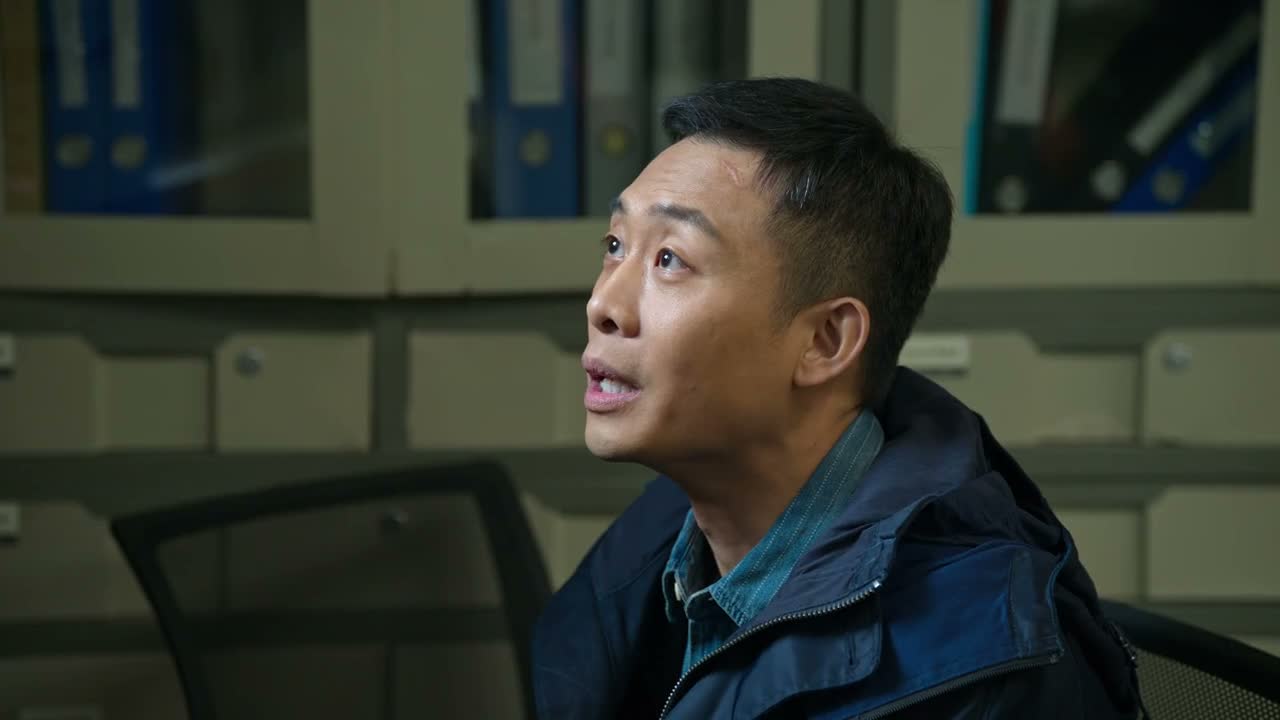
“You train her? Me. I'll train her myself.”

“I spared no effort in nurturing you.”

“You sound like I'm a pet you raise,”

“you both worked so hard to raise me.”

“Have a few days off and take good care of yourself. Listen. I'm fine.”

“I can raise her.”