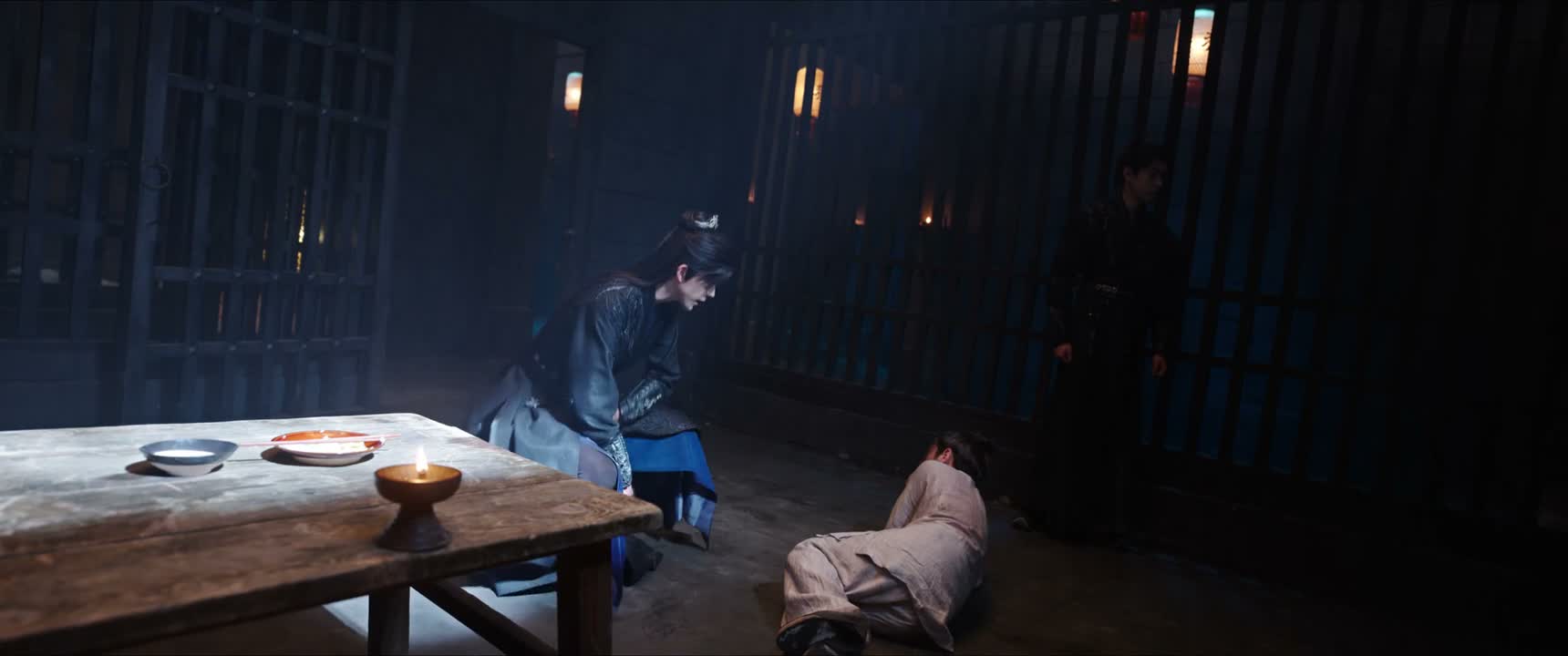
你耍赖 墨修尧 你羞不羞
“You're cheating! Mo Xiuyao. Have you no shame?”
THE DIALOGUE REEL
今夜就许你喝酒
“I'll allow you to drink tonight.”
你 耍赖 墨修尧 你 羞不羞
“You're cheating! Mo Xiuyao. Have you no shame?”
烈云 快
“Lieyun, hurry!”
“You're cheating! Mo Xiuyao, have you no shame at all? (said flirtatiously)”
In intimate Chinese communication, seemingly negative words such as 'shualai' (act shamelessly), 'xiu bu xiu' (aren't you ashamed), or 'taoyan' (annoying) are frequently used to convey flirtatious affection and playfulness, serving as a classic example of affective irony.
LEARNING CHUNKS & PARTICLES
to act shamelessly; to go back on one's word or refuse to play fair
Extremely common in spoken Chinese; can be used to genuinely criticize someone for breaking an agreement, or playfully tease a partner or friend in an intimate setting.
aren't you ashamed; shame on you
A reduplicated rhetorical question pattern, often used playfully when teasing young children or affectionately chiding a romantic partner.