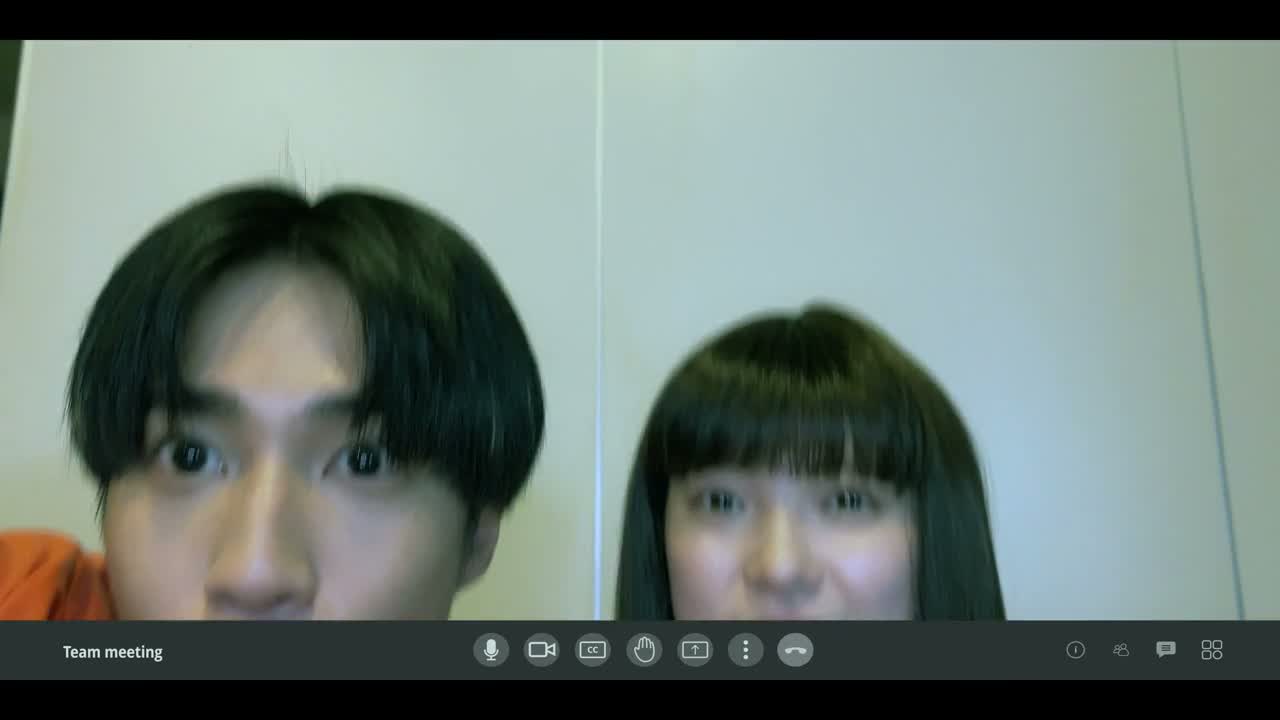
不给您介绍给谁介绍呀
“Who else would I refer clients to, if not you?”
THE DIALOGUE REEL
我们是一家人
“We're family.”
不给 您 介绍给 谁介绍 呀
“Who else would I refer clients to, if not you?”
对对对
“That's right.”
“Of course I'd set it up for you—who else would I prioritize if not family?”
In Chinese acquaintance networks and family ethics, resources, opportunities, or favors are prioritized for one's own family or close circle as a demonstration of loyalty and closeness.
LEARNING CHUNKS & PARTICLES
A rhetorical pattern meaning 'if not to you, then to whom?', emphasizing that someone is the natural or exclusive recipient.
Commonly used in spoken Chinese to express warmth, ingratiate oneself, or emphasize special preferential treatment.
Used at the end of a sentence to soften the blunt tone of a rhetorical question, adding warmth and friendliness.
VOCABULARY & EXPRESSIONS
Parallel Spoken Cinema Scenes (语义近邻切片)

“Then please explain to me”

“Didn't you say that referrals from regular guests”

“You have to introduce to me first”

“you never introduced your friends to me.”

“Let me introduce you. This is my friend, Huang Liang.”
“Let me introduce… Wei Fa Yen!”