MC
MandarinClips Cinema Corpus
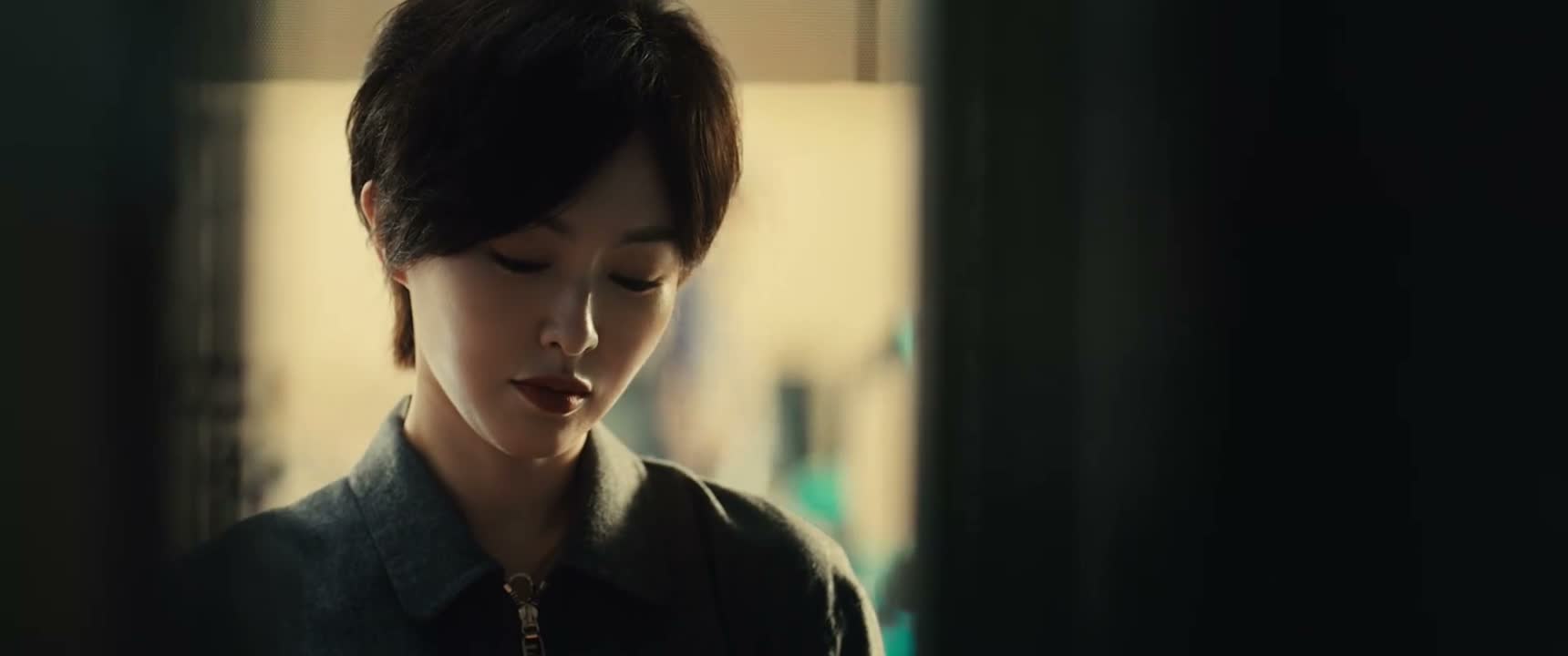
《The Epoch of Miyu》 S1·E2 (13:40) HSK 3
dàn jù jù dōu shì wèi nǐ hǎo

但句句都是为你好

“but they're all for your own good.”

《The Epoch of Miyu》 S1·E2
TIMECODE: 13:40 · 1080P MASTER AUDIO

THE DIALOGUE REEL

1+1+1 SPOKEN CONTINUITY
[-1] PREVIOUS TURN mā huà bù hǎo tīng

妈话不好听

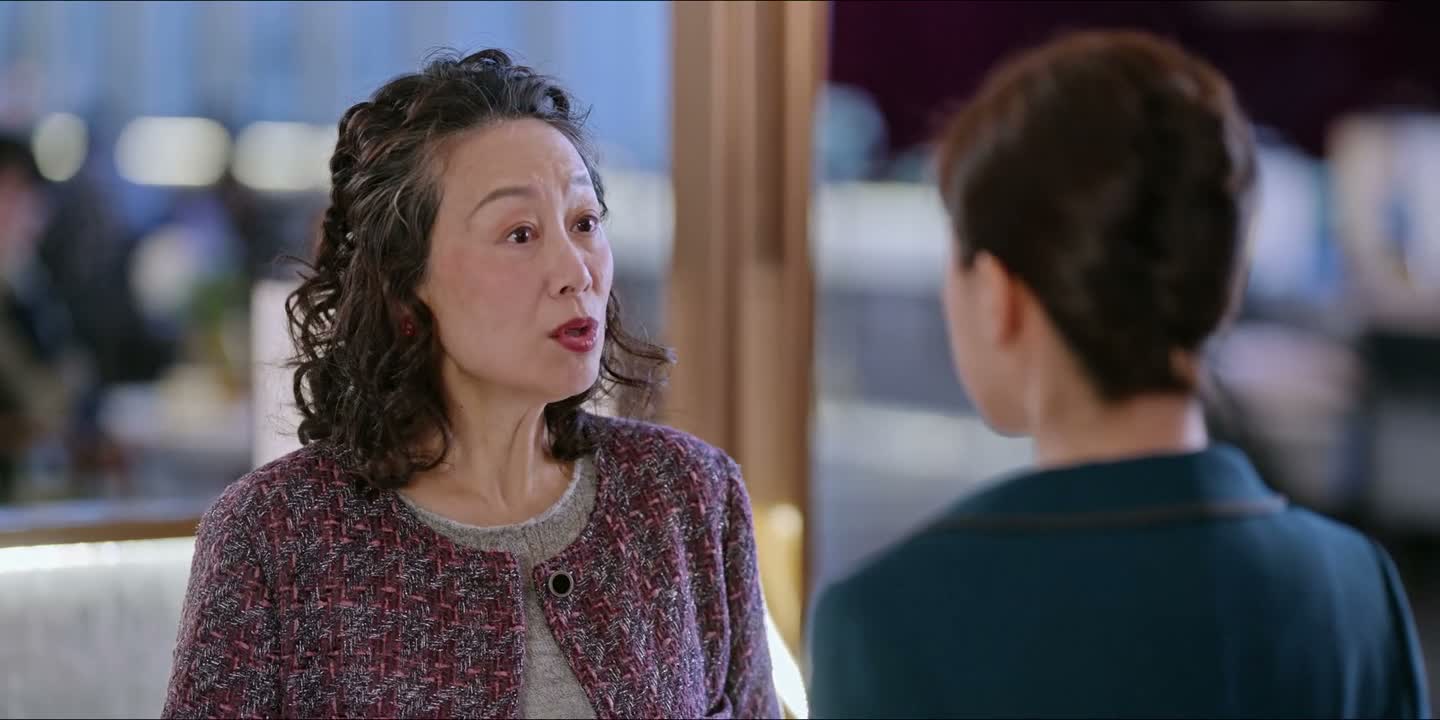
“My words may sound harsh,”

dàn jù jù dōu shì wèi nǐ hǎo CURRENT FOCUS

但句句都 是 为你好

“but they're all for your own good.”

[+1] FOLLOW-UP TURN nǐ bù xiǎng xiǎng

你不想想

“Think about it.”

Subtitles synced to millisecond timecode Browse Show Clips →
Scene: Family & Home
Function: PERSUADING AND JUSTIFYING
Tone: EARNEST
Emotion: ANXIETY
WHAT THEY REALLY MEAN (PRAGMATIC SUBTEXT)
“Even if the truth hurts, you have to listen to me because I know what's best for you.”
💡 Cultural Insight: 'wei ni hao' (for your own good)

A classic intergenerational mindset and expression in Chinese family culture, where elders intervene in younger members' life choices out of love and responsibility, often carrying undertones of moral pressure and emotional guilt-tripping.

INTENT TAGS: #for your own good #earnest persuasion #emotional guilt-tripping #parental lecturing
🧩

LEARNING CHUNKS & PARTICLES

2 CHUNKS · 0 PARTICLES
句句都是为你好 SPOKEN CHUNK

Every single word is for your own good.

An extremely common, classic line used by parents when admonishing or criticizing their children, typically employed after pointing out faults as an emotional pacifier or a pretext to exert pressure.

话不好听 SPOKEN CHUNK

The words are harsh or unpleasant to hear.

A common colloquial disclaimer used before or after delivering blunt criticism or hard truths to soften the listener's defensive reaction.

🏮

VOCABULARY & EXPRESSIONS

1 EXPR · 1 GRAMMAR
COLLOQUIAL EXPRESSIONS:
GRAMMAR BLUEPRINTS:
CROSS-CINEMA CORPUS BOARD · PARALLEL SCENES

Parallel Spoken Cinema Scenes (语义近邻切片)

EXPLORE BY SEMANTIC SIMILARITY
《The Epoch of Miyu》 S1·E2 (13:40) · Authentic Cinema Dialogue Corpus