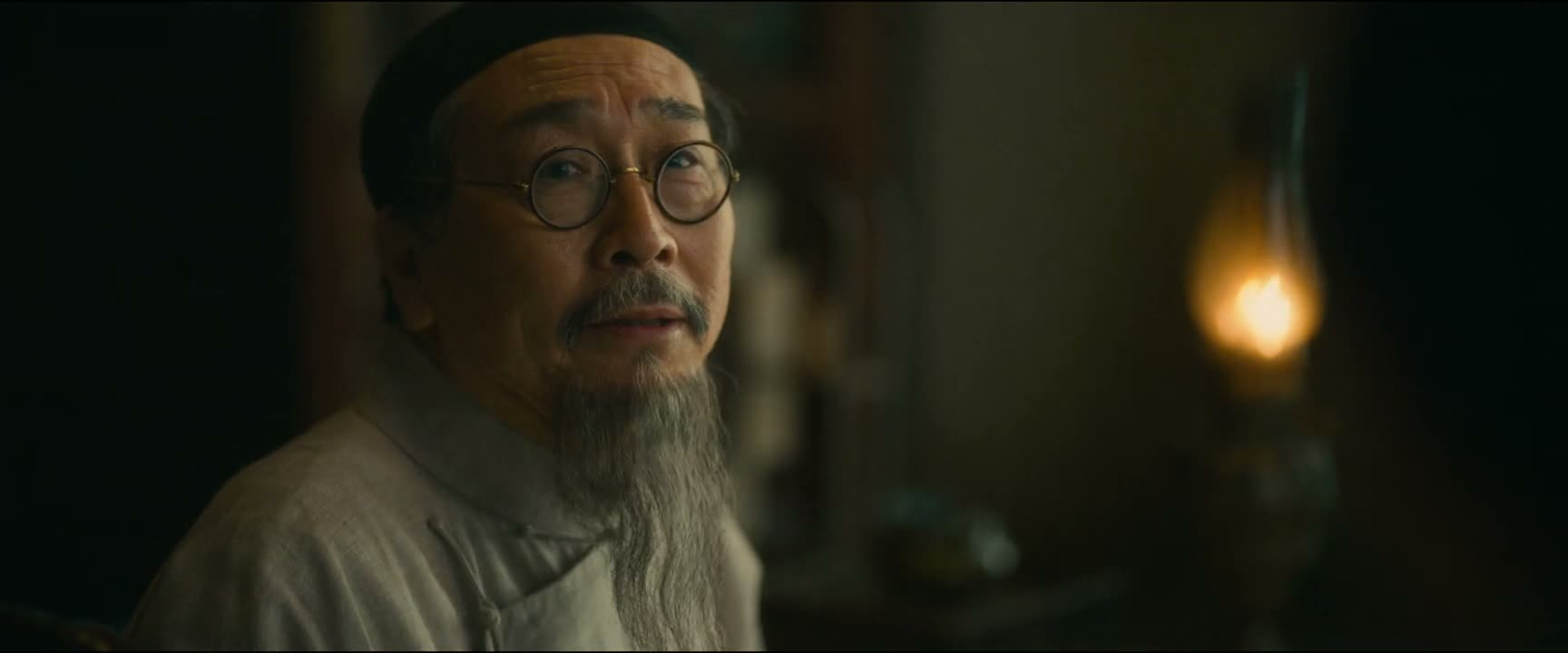
孩子的大名我想好了
“I have thought of a name for the child.”
THE DIALOGUE REEL
爸爸
“That's Daddy.”
孩子的 大名 我 想好了
“I have thought of a name for the child.”
也叫李峰
“He'll be named Li Feng too.”
Direct spoken expression in this communicative setting.
In Chinese tradition, a child is often first given an affectionate, informal pet name ('xiao ming' or 'ru ming') for family use. Later, a formal official name ('da ming' or 'xue ming') must be designated for household registration or school enrollment. Naming a child's formal name is regarded as a solemn and significant family event.
LEARNING CHUNKS & PARTICLES
formal name; official full name (as opposed to a pet name)
Frequently used in spoken Chinese when discussing naming a newborn or politely inquiring about someone's full name, e.g., 'What is the child's formal name?' or 'May I have your full name?'
thought through and decided; made up one's mind
A verb-complement structure where 'xiang' denotes the action of thinking and 'hao' indicates completion or satisfaction; often used when announcing a decision.
VOCABULARY & EXPRESSIONS
Parallel Spoken Cinema Scenes (语义近邻切片)
“to name the child.”

“why don't you just acknowledge him?”

“Xiaoming is such a good girl. I really like her.”

“this name is a bit too grand.”

“The name Wanzhi gave my son is just beautiful.”

“what's the name of my younger brother?”