想好了
xiǎng hǎo leCommon spoken expression used by native Chinese speakers in daily life.
[Scene: 社交聚会]
(9 clips) 00:02
 00:02
 00:02
 00:02
 00:03
(后面还得手术呢 您跟他说说呗 行 我跟他说) ── Previous context
“In that case, you've decided to be with Liang Danning?”
 00:02
(你们俩到哪不都大有作为啊) ── Previous context
“Don't listen to his nonsense. We've already decided.”
 00:03
(她脾气是真轴啊) ── Previous context
“Once her mind was set on something, everything else came second.”
 00:03
(好吧 那就先暂寄在我这里) ── Previous context
“When you decide what you want, just come to me.”
 00:02
[Scene: 家庭日常]
(8 clips) 00:02
 00:02
 00:02
 00:03
(你们现在要回国 她怎么办) ── Previous context
“So this is what you worry about? I've already thought about it.”
 00:03
 00:03
(然后砚台 纸墨笔砚) ── Previous context
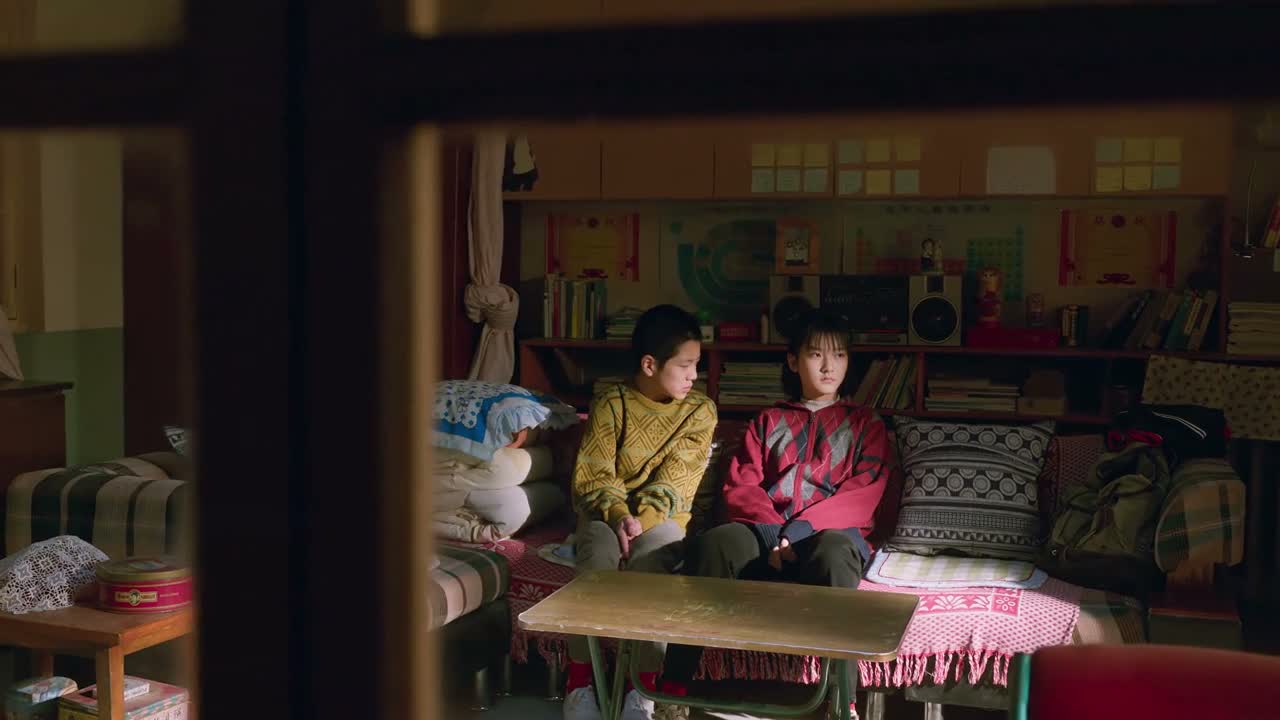
“I've decided what to get for your mom. I'll draw it, and you guess.”
 00:02
 00:02
[Scene: 其他场景]
(5 clips) 00:03
(救很多很多人) ── Previous context
“What are you talking about? I'm serious. I've got it all planned out.”
 00:02
 00:02
(刚从葛占成那儿回来) ── Previous context
“About you discussing attacking the Japanese stronghold with him, he has made up his mind.”
 00:02
 00:02
(长公主应该很清楚 不是吗?) ── Previous context
“It has little chance of survival. Have you thought it through?”
[Scene: 职场工作]
(4 clips) 00:03
 00:02
 00:02
(你找我有什么事吗) ── Previous context
“About the transfer to the Southwest Branch, I have decided.”
 00:02
(但那里毕竟是他的地盘 明天的研讨会) ── Previous context
“I bet he's already planned how to embarrass you.”
[Scene: 警匪刑侦]
(3 clips)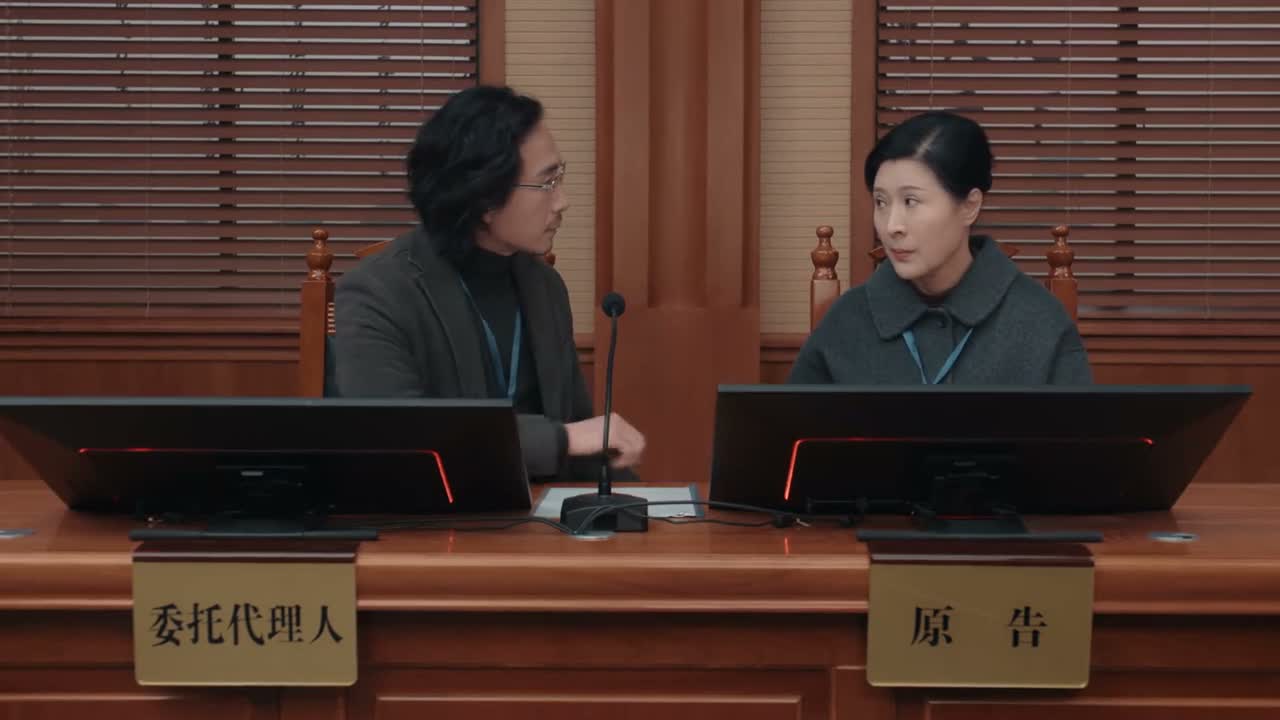 00:02
 00:03
(记住了 最好能背下来) ── Previous context
“[Mediation Center] All three of you, have you decided? Do you want to handle this officially or privately?”
 00:02
[Scene: 商务沟通]
(2 clips) 00:02
 00:02
(方小姐一直没有联系) ── Previous context
“I thought you had rejected me. Have you made up your mind,”
[Scene: 其他场景]
(2 clips) 00:03
(暂时先借你的钱用一用) ── Previous context
“I've planned it out. The training program gives me fifteen yuan a month.”
 00:03
(我妈那样都能挣钱 咱俩能挣不着啊) ── Previous context
“I've already figured it out. We'll hold up a big sign”
[Scene: 历史宫廷]
(1 clips) 00:02
(这封信 表面看似安抚) ── Previous context
“This letter appears to offer reassurance, but it is meant to keep you here.”
📌 放心
→Nuance: 安抚对方并表明应对方式
📌 放心
→Nuance: 安抚对方不用担心意图一致
📌 放心吧
→Nuance: 安抚对方不用担心意图一致
📌 姐
→Nuance: 安抚对方并表明应对方式
📌 瞎说
→Nuance: 同向近义词根配对: [瞎说 ↔ 胡说]
📌 是不是
→Nuance: 安抚对方不用担心意图一致
📌 想办法
→Nuance: 同向近义词根配对: [担心 ↔ 操心]