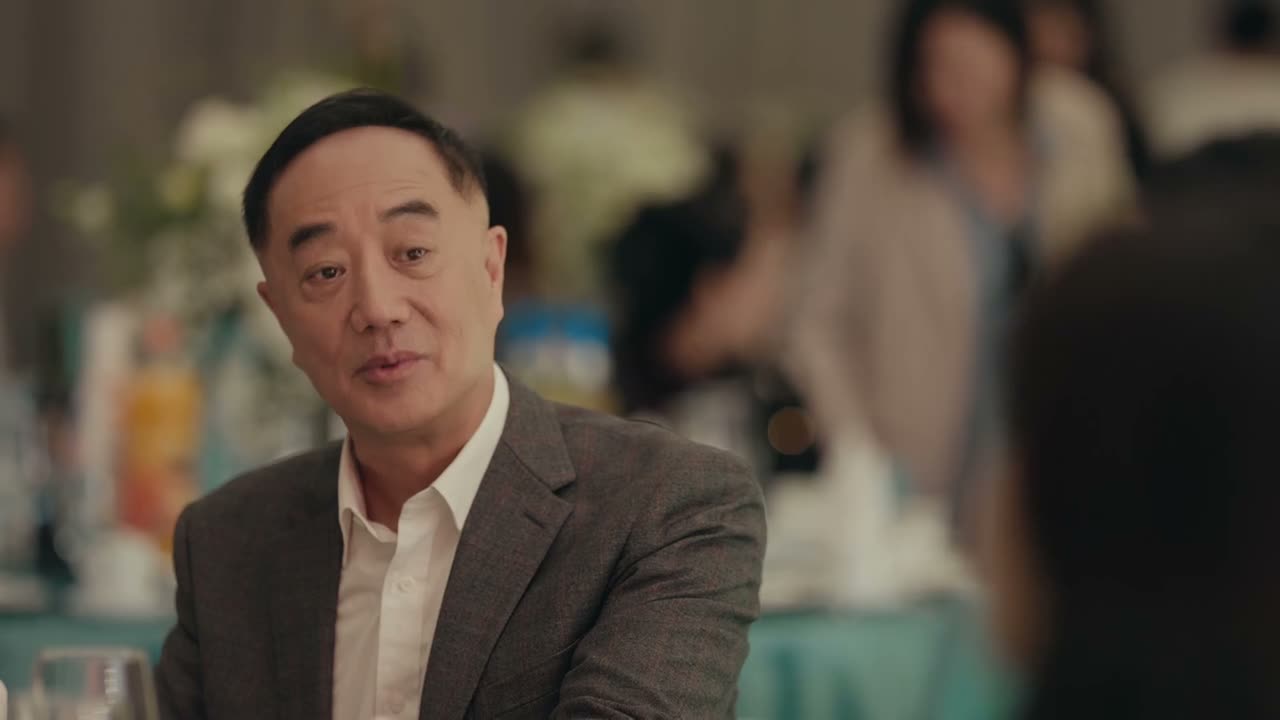
你俩不是一块长大的嘛 我们俩九年没见了好吗
“The two of you grew up together, didn't you? We haven't met for nine years,”
THE DIALOGUE REEL
我之前还一直觉得 你发育迟缓呢 原来你真喜欢她
“I always thought you suffered from developmental retardation. So you do like her.”
你俩 不是 一块长大的 嘛 我们俩 九年没见了 好吗
“The two of you grew up together, didn't you? We haven't met for nine years,”
九年
“OK?”
“Stop acting like it's that simple—we haven't seen each other in nine whole years, so it's not like we're that close!”
In Chinese culture, relationships formed by 'growing up together' are typically assumed to have a deep emotional foundation and tacit understanding, often making them the subject of teasing or matchmaking by friends.
LEARNING CHUNKS & PARTICLES
to grow up together
Commonly used in spoken Chinese to describe childhood friends; 'yi kuai' means 'together'.
okay? / come on / please get it straight
Placed at the end of a sentence to strongly refute, emphasize a fact, or express slight impatience, similar to 'come on' or 'please'.
Used at the end of a rhetorical question to indicate that the statement should be an obvious fact to the listener.
Used at the end of a sentence with an exclamatory tone to reinforce a rebuttal or self-defense, urging the other person to face reality.