我已经熬了三年了
“I've already held on for 3 years.”
THE DIALOGUE REEL
太爷
“Master.”
我 已经 熬了 三年了
“I've already held on for 3 years.”
“Do you think I can still keep going?”
“I've reached my absolute limit and I can't endure this suffering anymore.”
A culturally resonant term in Chinese describing an intense psychological and living state; it conveys both resilience in the face of adversity and the somber helplessness of life being slowly worn down by time and suffering.
A traditional respectful form of address for an elder of the grandfather or great-grandfather generation in lineage families, reflecting traditional hierarchical relationships of age and seniority.
LEARNING CHUNKS & PARTICLES
having endured or held out through tough, painful, or prolonged circumstances for a certain number of years
The verb 'ao' vividly conveys the pain and struggle of a process, commonly used to express the hardships of life or waiting painstakingly for a breakthrough.
able to endure, hold out, or bear up under pressure
A potential complement structure whose negative form is 'ao bu zhu'; frequently used in contexts testing perseverance or tolerance limits.
Sentence-final particle indicating that an ongoing situation has reached a notable milestone, emphasizing the prolonged duration and accumulated emotions.
VOCABULARY & EXPRESSIONS
Parallel Spoken Cinema Scenes (语义近邻切片)
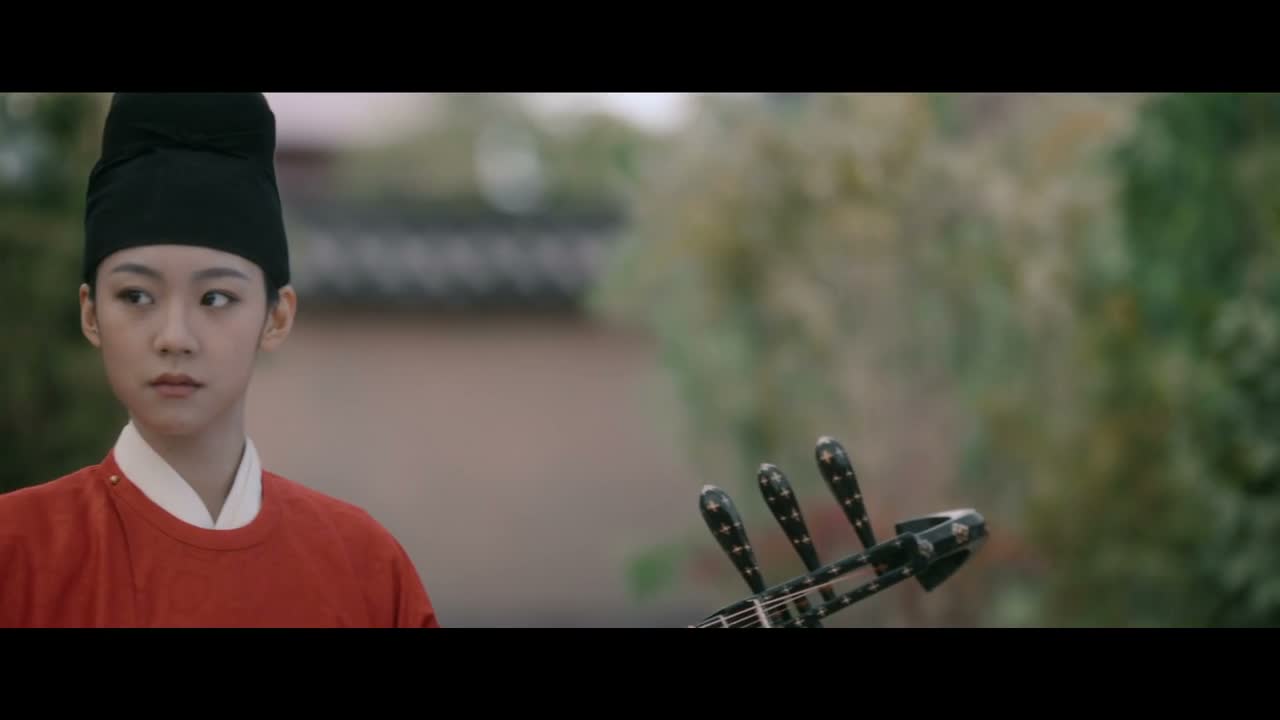
“and more than three years passed in a blink.”

“That's how I lasted a whole year.”

“I'm seeing the silver lining now.”

“(I've saved this for three years.)”
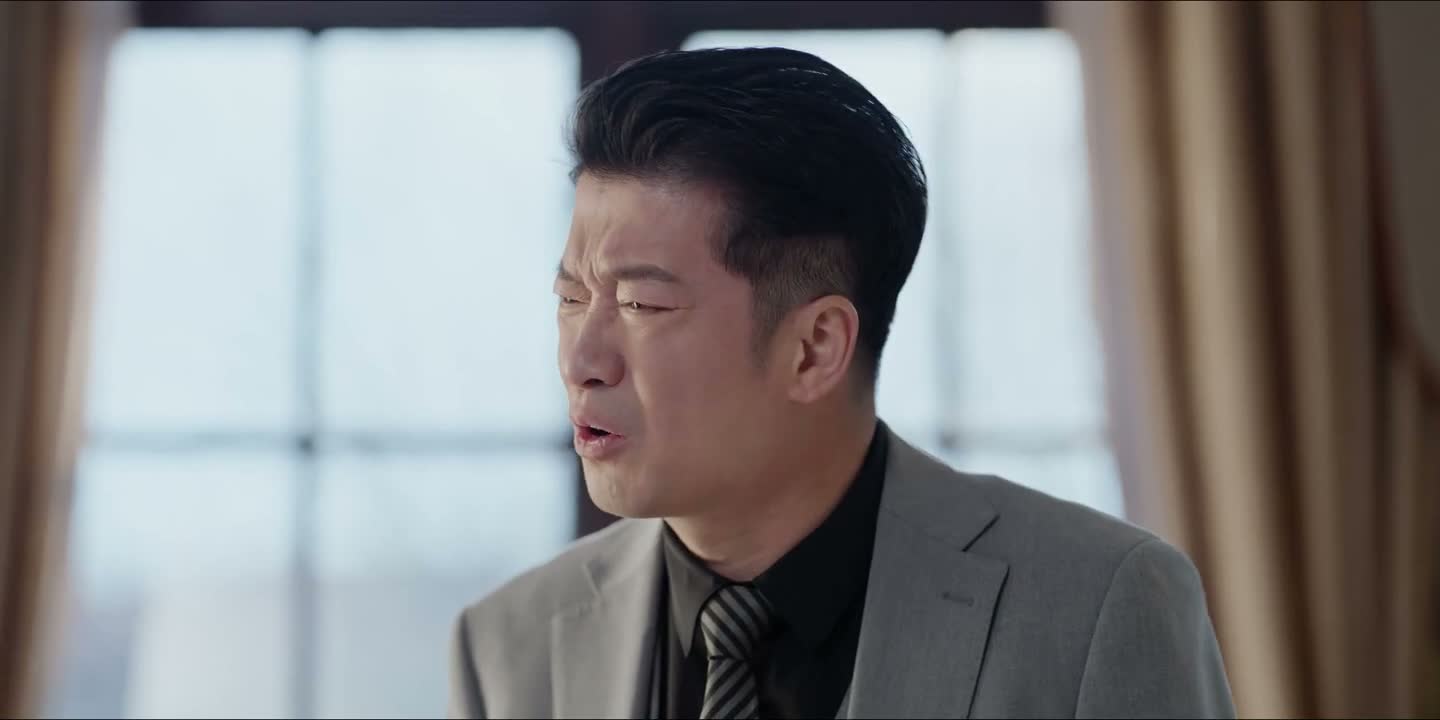
“at the Purong Hotel.”

“and enduring humiliation.”