哎 老宫 你算不算英雄救美了
“Gong, would you call that saving the day?”
THE DIALOGUE REEL
呸呸呸呸 呸
“So dirty. Pfft, pfft, pfft.”
哎 老宫 你 算不算 英雄救美 了
“Gong, would you call that saving the day?”
不是 他就想惹恼小贝
“Nah. He just wanted to piss Bei off.”
“Come on, Gong, admit it—you're playing the knight in shining armor to impress her, aren't you?”
A classic trope in Chinese popular culture and folklore. In contemporary social contexts among young people, when a man helps a woman out of an awkward or difficult situation, friends often use this term for playful teasing or good-natured matchmaking.
An informal, affectionate way of addressing acquaintances or peers (such as 'Lao Gong'), signifying a close and friendly relationship.
LEARNING CHUNKS & PARTICLES
A hero rescues a damsel in distress; coming to a woman's aid, often used teasingly about romantic interest.
Originating from traditional storytelling tropes, this phrase is frequently used informally among friends to playfully tease someone, hinting that the man has feelings for the woman.
Does it count as; can it be considered.
A common conversational rhetorical structure, often used to seek agreement or playfully define or label a situation.
Used at the beginning of a sentence to catch the listener's attention and bring up a new topic.
Indicates a change of state, here reinforcing the definitive, teasing tone of the remark.
VOCABULARY & EXPRESSIONS
Parallel Spoken Cinema Scenes (语义近邻切片)
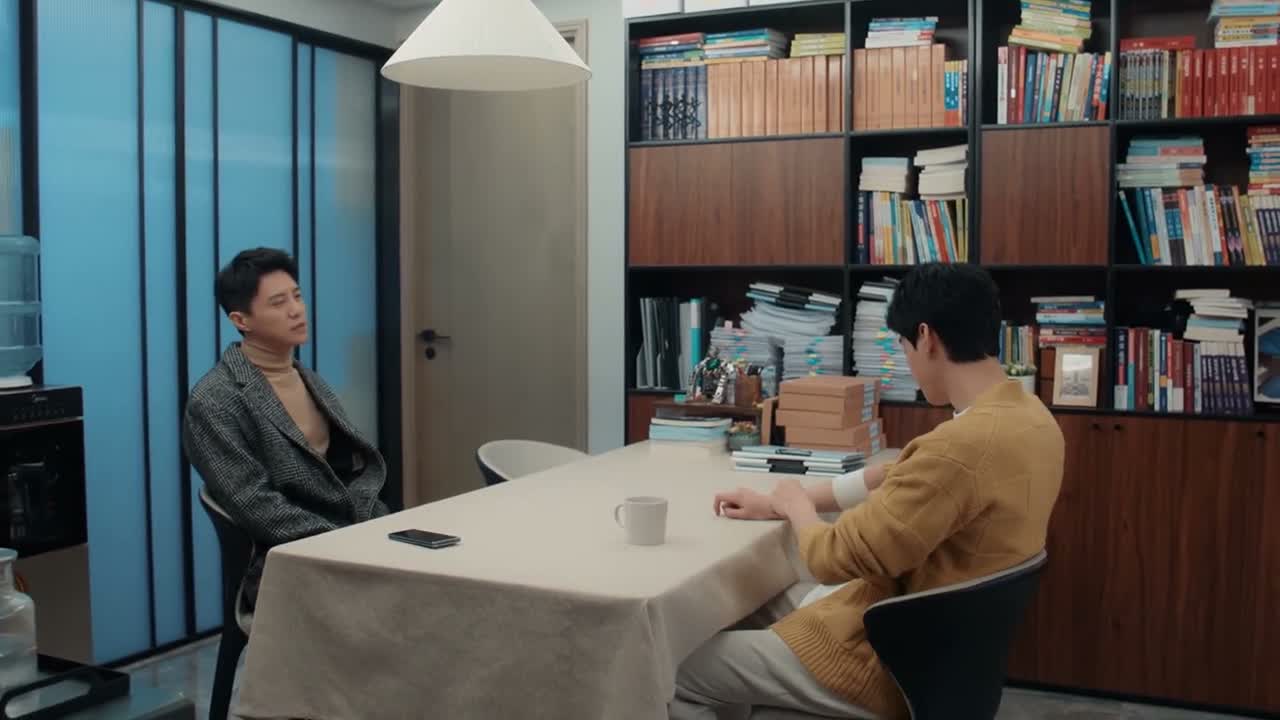
“playing the hero for a pretty lady.”

“Isn't playing the hero a bit cliché,”

“So when Gong suddenly went for it today,”

“Ready to jump in and save the beauty anytime.”

“Why are you hiding this heroic rescue from me?”
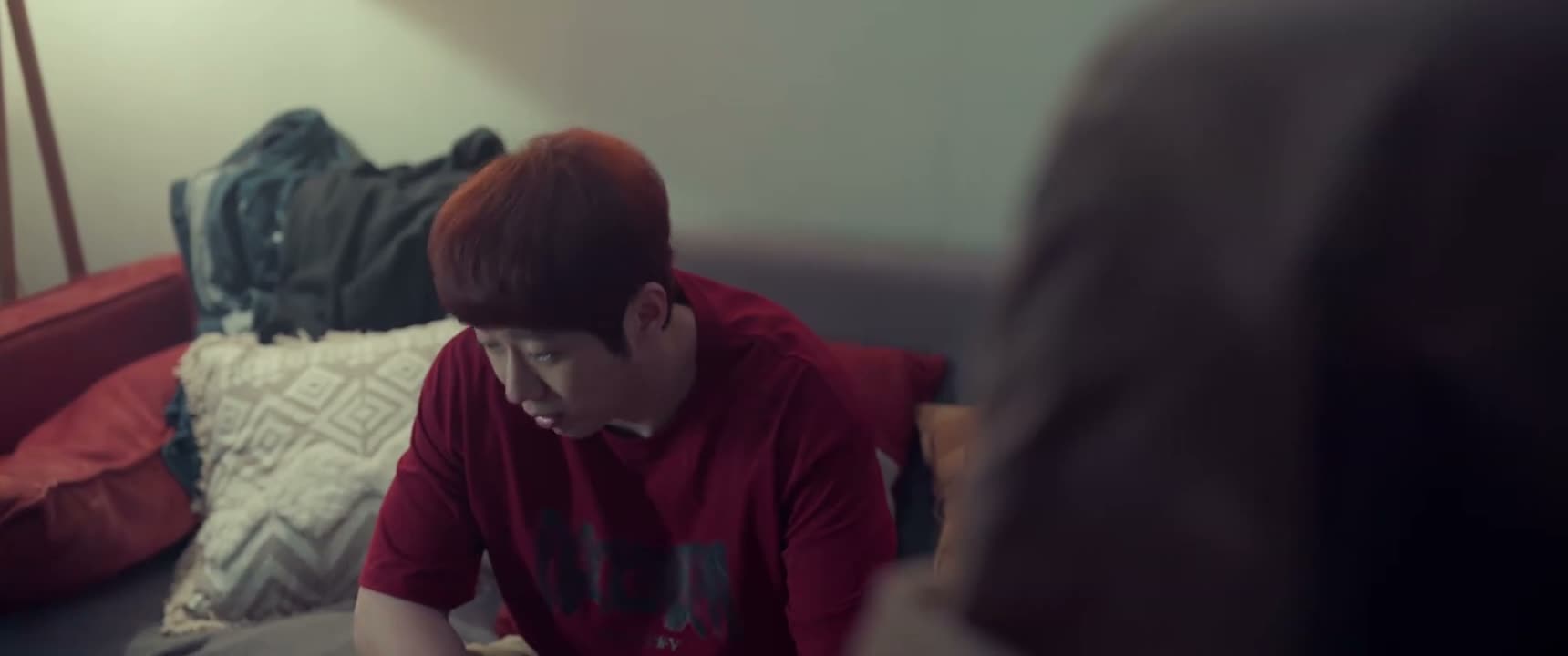
“So he rushed over to play the hero.”